
A Local Accident Towing Example: What Happens Next
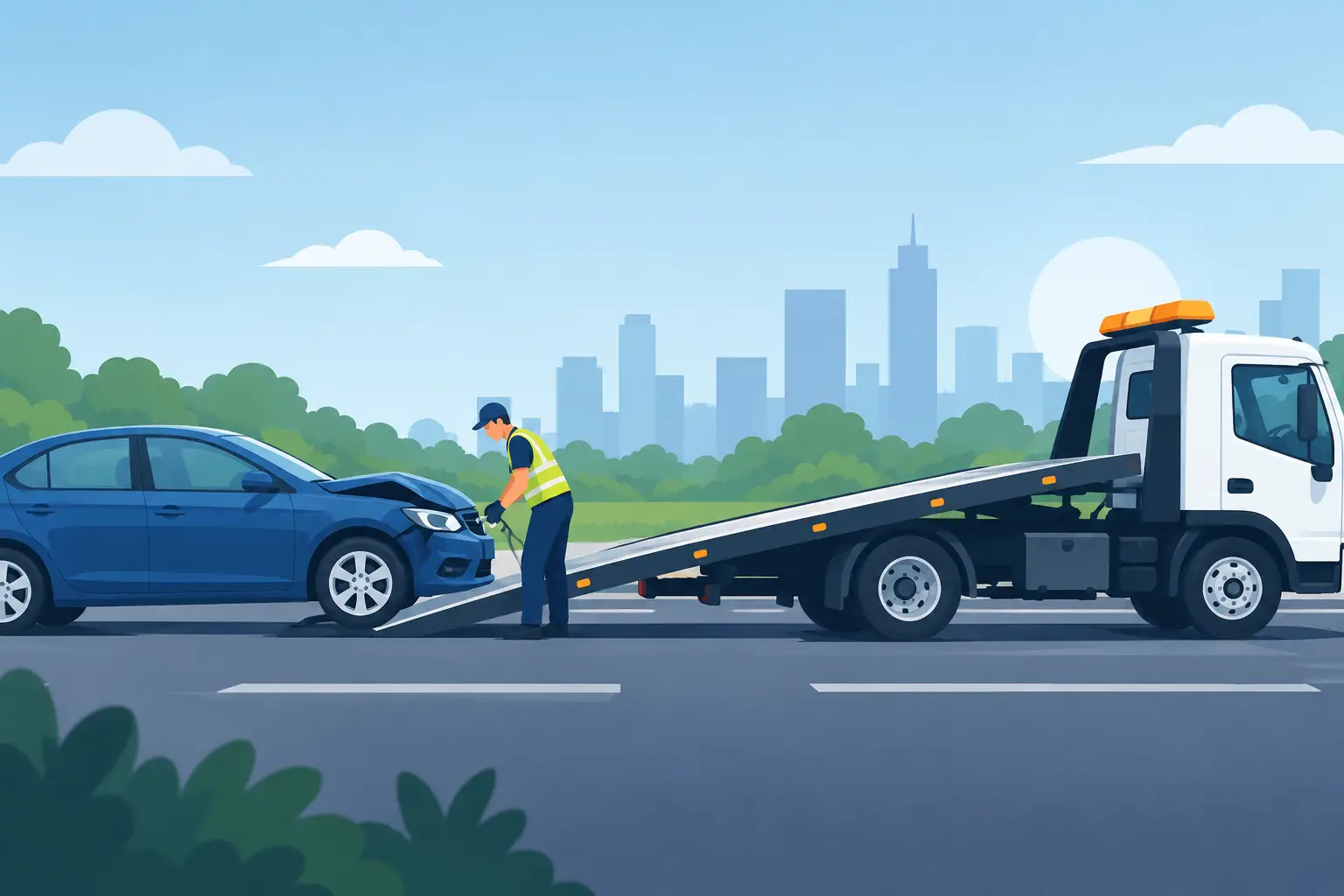
A crash can turn an ordinary drive into a confusing, stressful scene in seconds. This local accident towing example shows what a safe recovery can look like after a collision and why the right response matters for you, your vehicle, and everyone sharing the road.
Picture a driver heading home through Gresham after work. Another vehicle turns unexpectedly, and the two cars collide at a busy intersection. Nobody appears seriously injured, but one car has front-end damage, leaking fluid, and a wheel that will not turn. The driver is shaken, traffic is building behind them, and moving the vehicle without help could make the damage worse.
At that point, accident towing is not just about getting a car from one place to another. It is about securing the scene, protecting the vehicle from further damage, and giving the driver one clear next step when everything feels urgent.
A Local Accident Towing Example From the First Call
The driver first moves to a safe location if possible, turns on hazard lights, and calls 911 when emergency help is needed. Once police or emergency responders are on the way, the driver contacts a local towing company for accident recovery.
A helpful dispatch call is simple. The towing company needs the crash location, the type of vehicle, its condition, and whether it can roll or steer. Details such as a flat tire, deployed airbags, a locked wheel, trailer attachment, or visible fluid leak help the operator send the right truck and equipment.
In this example, the driver explains that the vehicle is a sedan with front-end damage and cannot be driven. They also tell the dispatcher that it is blocking part of a lane. That information allows the towing team to prepare for a careful, efficient recovery instead of arriving without the equipment needed for the situation.
The driver does not need to diagnose suspension damage or know towing terms. Clear, basic information is enough. If they are unsure whether the car is safe to move, it is best to say so rather than guess.
Safety Comes Before Vehicle Recovery
When the tow operator arrives, the first job is to assess the scene. Traffic, poor visibility, broken glass, leaking fluids, and damaged vehicle parts can all change the recovery plan. A professional operator works around the scene carefully and follows direction from law enforcement when officers are present.
In our local accident towing example, the sedan is sitting at an angle with one damaged front wheel. Pulling it carelessly could scrape the undercarriage, damage steering components further, or create a hazard for nearby traffic. The technician checks where the vehicle can be safely secured and determines that a flatbed tow is the best option.
A flatbed is often preferred for collision-damaged vehicles because all four wheels can be carried off the ground. That helps avoid additional wear on tires, axles, steering, or drivetrain parts. However, the right method depends on the vehicle and damage. A vehicle that can roll and steer may be loaded differently from one with locked wheels, severe body damage, or a low-clearance profile.
The driver should stay away from active traffic and follow the operator's guidance. If personal belongings need to be removed from the vehicle, do so only when it is safe and practical. Take photos of the vehicle and scene if you have not already done so, but do not stand in traffic lanes to get a better angle.
Choosing Where the Vehicle Goes
After an accident, drivers usually have a few options for the vehicle's destination. It may go to a repair shop, a body shop, a dealership, a residence, or an insurance-approved facility. The best choice depends on the condition of the car and instructions from the insurance company.
If the vehicle cannot be driven, taking it straight to a trusted repair facility can save a second tow later. If the shop is closed, a secure location or a home driveway may be more practical until the driver can speak with the insurer or repair shop. Some accidents involve police-directed towing or special storage requirements, so it is wise to ask questions before the vehicle is moved.
In this example, the driver contacts their insurance provider after the scene is stabilized. The insurer recommends a collision repair center, and the driver gives that address to the tow operator. The car is loaded securely and transported there rather than being left at the roadside or moved with a damaged wheel.
Before the truck leaves, the driver confirms the destination and makes sure they have essential items such as their phone, wallet, keys, insurance information, medication, child seats, and work materials. If the car is being taken to a shop after hours, it also helps to ask where the keys should be left and how the vehicle will be checked in.
What a Driver Can Do While Waiting
The moments after a collision can feel chaotic, but a few calm decisions can make the towing process easier. First, check yourself and your passengers for injuries. Call emergency services when there is any concern about injuries, a fire risk, blocked traffic, or unsafe road conditions.
Exchange required information with the other driver when it is safe to do so, and document the scene. Photos of vehicle positions, damage, license plates, road conditions, and nearby signs can be useful later. Keep conversations factual and avoid arguing about who caused the crash at the roadside.
While waiting for a tow truck, stay in a safe location. If the vehicle is disabled in a dangerous place and you can safely exit, move away from traffic behind a barrier, sidewalk, or other protected area. If you must remain inside because leaving would be more dangerous, keep seat belts on and follow directions from emergency personnel.
Do not try to drive a vehicle with leaking fluid, a dragging bumper, deployed airbags, a damaged wheel, or steering that feels wrong. Even if the engine starts, hidden damage can make the car unsafe. A short drive to “get it out of the way” can become a bigger repair bill or create another accident.
Why Local Accident Recovery Makes a Difference
Fast response matters after a collision, especially on busy streets and during rain, darkness, or heavy commuter traffic. A local provider understands the area, common traffic patterns, and the practical challenges drivers face around Gresham and Troutdale.
Just as important, local service should feel personal. An accident is not a routine day for the driver involved. They may be worried about a child in the car, a missed shift at work, a damaged motorcycle, or how they will get home. Clear communication and respectful service go a long way when someone is dealing with all of that at once.
Tow Guys LLC provides accident towing and roadside support with the goal of getting drivers out of a dangerous situation and moving toward the next solution. Whether the vehicle is a car, light truck, motorcycle, or trailer, the recovery method should match the vehicle's condition rather than force a one-size-fits-all approach.
Questions to Ask Before Your Vehicle Is Towed
You do not need a long checklist at the roadside, but a few direct questions can prevent confusion later. Ask where the vehicle is being taken, whether it is going to a repair shop or storage location, and what you should do with the keys. If your vehicle has special needs, such as all-wheel drive, very low clearance, a trailer, or a motorcycle, mention that before loading begins.
It is also reasonable to ask how the vehicle will be secured and whether you should remove personal items. A professional operator will explain the plan in plain language and let you know if the vehicle needs extra care because of collision damage.
The goal is not to make a stressful moment more complicated. It is to make sure your vehicle is handled safely and ends up where it needs to be.
After a crash, focus first on people, safety, and clear information. Once help is on the way, a careful tow can turn a blocked roadway and damaged vehicle into one less problem you have to carry home.
Need a tow in Gresham or East County? Call Tow Guys 24/7 at (971) 222-7994.