
A Practical Guide to Towing Small Trailers
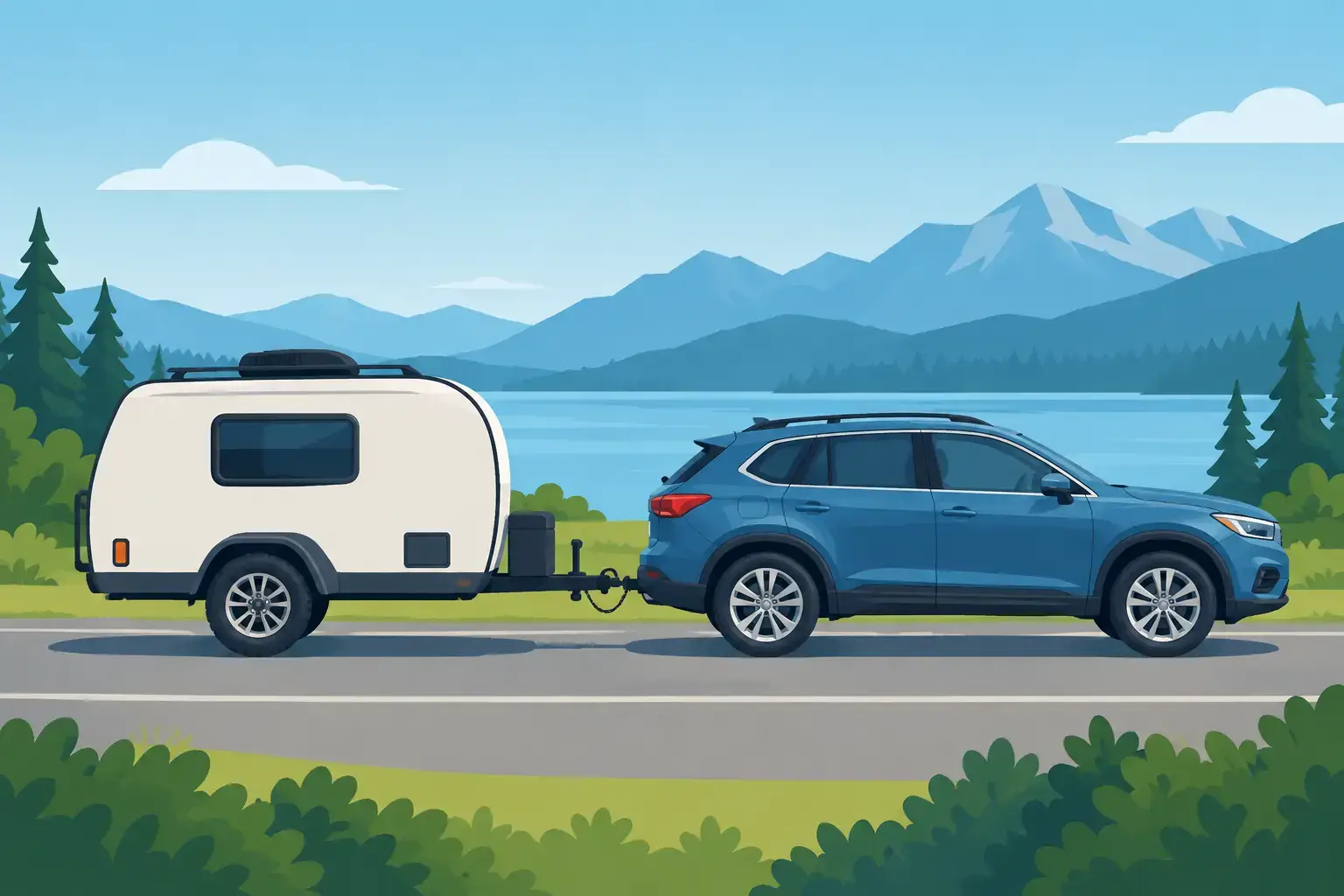
A small utility trailer can make a weekend project, move, motorcycle trip, or landscaping job much easier. It can also become stressful quickly when the load starts swaying, the hitch is not secured, or your vehicle struggles on a wet grade. This guide to towing small trailers focuses on the practical checks that help everyday drivers tow safely, steadily, and with fewer surprises.
Start With the Tow Vehicle and Trailer Ratings
The trailer may look light, but looks are not a safe way to judge whether your vehicle can pull it. Before loading anything, check your vehicle owner's manual for its towing capacity and the maximum tongue weight its hitch can carry. Towing capacity is the total loaded trailer weight your vehicle is designed to tow. Tongue weight is the downward force the trailer puts on the hitch.
The trailer also has a Gross Vehicle Weight Rating, often shown on a plate or sticker. That is the maximum combined weight of the trailer itself, cargo, fluids, and installed equipment. Do not assume a trailer is within limits because it is physically small. A compact trailer loaded with gravel, tools, appliances, or a motorcycle can reach its limit fast.
Your hitch, ball mount, hitch ball, coupler, safety chains, tires, and electrical connector must all be rated for the job. The lowest-rated component sets the safe limit. If a hitch ball is undersized or the ball mount is not rated for the loaded trailer, a strong tow vehicle does not solve the problem.
Guide to Towing Small Trailers: Hookup Matters
A rushed hookup is one of the most preventable causes of trailer trouble. Park on level ground when possible, place the vehicle in park, and set the parking brake before connecting the trailer. Raise or lower the coupler with the trailer jack until it sits fully over the correct-size hitch ball. Close and lock the coupler latch, then use the jack to lift slightly and confirm the coupler is holding the ball securely.
Cross the safety chains underneath the trailer tongue. This creates a cradle that can help keep the tongue from striking the road if the coupler disconnects. Chains should have enough room for turns but not hang low enough to drag. Attach the breakaway cable separately to a solid point on the tow vehicle, not to the safety chains. If your trailer has brakes, the cable is designed to activate them if the trailer separates.
Connect the wiring harness and test the running lights, brake lights, turn signals, and hazard lights. Ask someone to stand behind the trailer if possible. A loose connector or burned-out light is easier to handle in the driveway than after dark on a busy road.
Before moving, make sure the trailer jack is fully raised and locked, the coupler latch is secured, and the cargo area is closed or covered. Then pull forward slowly for a few feet and stop for one more visual check. This takes less than a minute and can catch a missed chain, dropped jack, or unlatched gate.
Load for Balance, Not Just Space
A trailer that is loaded poorly can sway even at moderate speeds. Place heavier items low and centered over the trailer axle, with roughly 10 to 15 percent of the loaded trailer weight resting on the hitch. That amount can vary by trailer and manufacturer guidance, but the main goal is steady, positive tongue weight.
Too little weight at the front can let the trailer fishtail. Too much weight at the front can overload the rear suspension, reduce steering control, and point your headlights too high. If the back of the tow vehicle squats heavily or the trailer tilts noticeably, stop and correct the load before driving farther.
Secure every item, even if the trailer has sides. Use properly rated straps, chains, or tie-downs connected to solid anchor points. A tarp alone does not secure a load, and bungee cords are not a substitute for rated tie-downs on heavy cargo. Check the load again after the first few miles because straps can settle as the trailer moves.
Give Yourself More Room to Drive
Towing changes how your vehicle accelerates, turns, stops, and handles bumps. The best adjustment is simple: slow down and increase your following distance. You need more time to brake, more room to change lanes, and a wider path through corners.
Make gradual steering inputs. Quick swerves can start trailer sway or cause the trailer tires to clip a curb. When turning right, begin the turn a little wider than usual and watch the trailer in your mirrors. On left turns, avoid cutting across the center line or swinging into another lane.
Plan lane changes early. A trailer creates larger blind spots, so use your mirrors often and signal well ahead of time. If you are unsure whether you have room, wait. Missing a turn is inconvenient. Forcing a late lane change while towing can put other drivers at risk.
On hills, shift to a lower gear when your vehicle recommends it rather than letting speed build downhill. Avoid riding the brakes, which can overheat them and reduce stopping power. Climbing hills may require patience, especially with a loaded trailer. Keep a steady pace and avoid pushing the engine or transmission beyond its normal operating range.
Wind, rain, and rough pavement deserve extra caution. In the Gresham and Troutdale area, wet roads and changing weather can make a normally simple trip feel different. Reduce speed, leave extra space, and expect crosswinds when passing open areas or larger vehicles.
Know What to Do if the Trailer Starts Swaying
Trailer sway feels like the trailer is pushing or pulling the rear of the tow vehicle side to side. It can be caused by poor weight distribution, excessive speed, wind, tire problems, or sudden steering. The wrong reaction is to jerk the wheel or hit the brakes hard.
Instead, keep both hands on the wheel, hold the vehicle straight, ease off the accelerator, and let speed come down gradually. If the trailer has properly adjusted electric brakes and you have a trailer brake controller, applying the trailer brakes gently may help straighten the combination. Do not accelerate to pull out of sway.
Once you are stopped safely, inspect the load, tire condition, hitch connection, and tie-downs. Do not continue at highway speed until you have found and corrected the cause. Rebalancing cargo may be enough, but damaged tires, loose suspension parts, or a mismatched setup require professional attention.
Practice Backing Up Before You Need To
Backing a small trailer is difficult because it reacts quickly. Put one hand at the bottom of the steering wheel. Move your hand in the direction you want the trailer to go. Small corrections work better than large turns.
Start in an empty parking lot during daylight. Practice backing straight, then making gradual turns. Use a spotter when available, but agree on clear hand signals before starting. If you lose sight of the spotter, stop immediately.
Avoid trying to back downhill, into traffic, or through a tight space when you are tired or rushed. It is often safer to park, disconnect only if conditions allow, or find a wider place to turn around. There is no prize for completing a difficult maneuver in one attempt.
Make a Short Pre-Trip Check Routine
Before every trip, walk around the vehicle and trailer. Check these five areas:
- Hitch coupler, latch, pin, safety chains, and breakaway cable
- Tire pressure, tire condition, wheel lug nuts, and spare tire access
- Trailer lights, turn signals, brake lights, and wiring connection
- Cargo balance, tie-down tension, doors, ramps, and tailgate latches
- Mirrors, fuel level, route restrictions, and weather conditions
This routine is especially valuable after the trailer has been parked for weeks. Trailer tires can lose pressure, wiring can corrode, and rodents can damage cables without being obvious at first glance.
When a Towing Problem Leaves You Stranded
If you have a flat tire, overheated tow vehicle, failed bearing, lost trailer lights, or a load that cannot be secured safely, get out of traffic if you can and turn on your hazard lights. Do not stand between the trailer and passing vehicles. On a busy road, staying in a safe location matters more than trying to make a quick roadside repair.
For drivers in Gresham, a local towing team such as Tow Guys LLC can help when a vehicle and trailer need safe transport after a breakdown or roadside incident. Tell dispatch the type of trailer, approximate loaded weight, whether it is attached to the vehicle, and any issue with the wheels or load. Clear details help ensure the right equipment is sent.
A careful hookup, balanced load, and slower driving pace do more than protect your trailer. They give you the control to arrive without turning a useful piece of equipment into an emergency call.
Need a tow truck in Gresham? See Gresham towing or call Tow Guys 24/7 at (971) 222-7994.