
Protecting Valuables During a Tow Safely
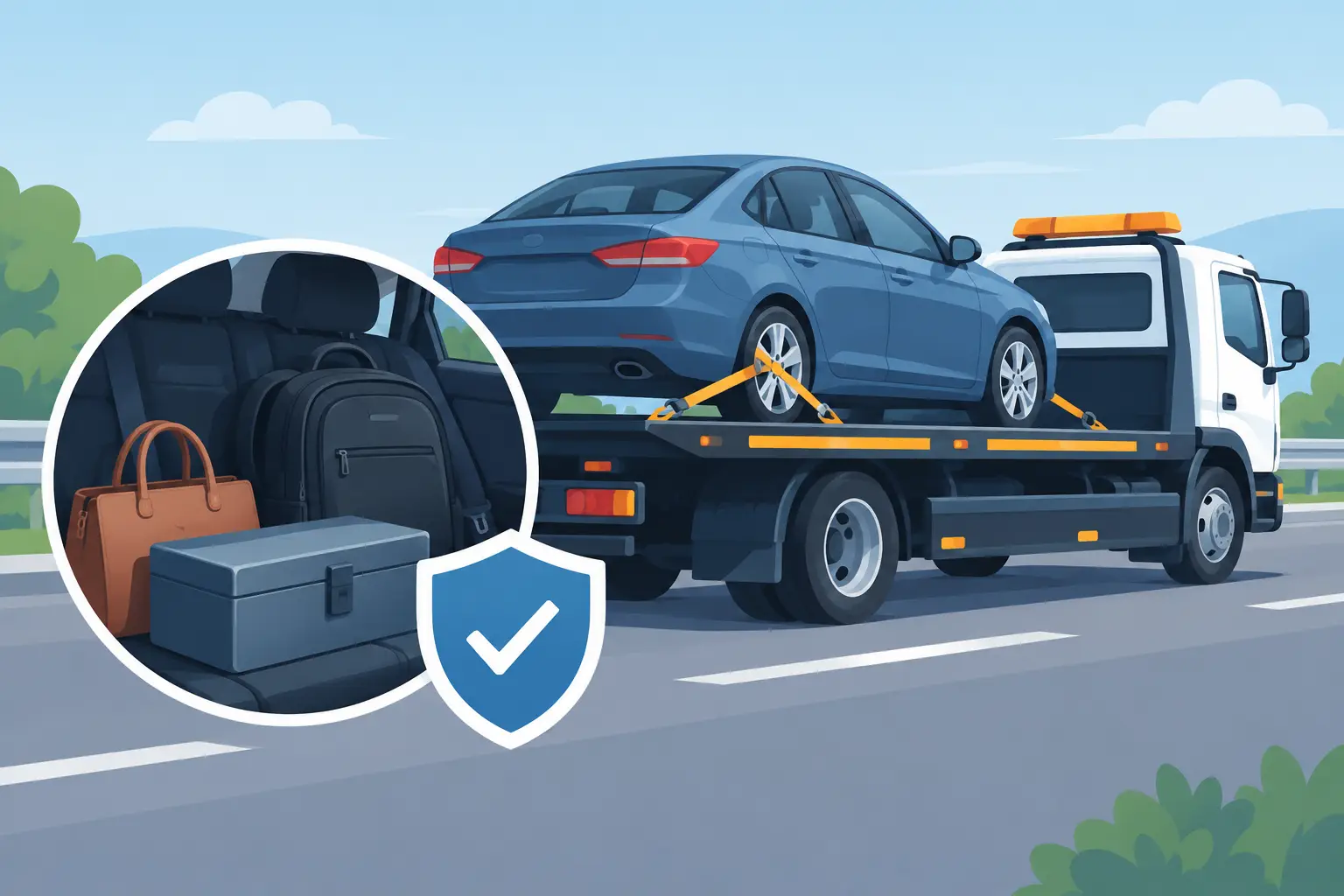
A tow often begins at the worst possible moment: after an accident, a breakdown in bad weather, or a vehicle that simply will not start. Your first concern is getting safe, but protecting valuables during a tow deserves a minute of attention before the truck hooks up. A few calm steps can prevent a missing-item scare, make the transfer smoother, and help you focus on getting home.
Start With Safety, Then Secure Your Personal Items
If your vehicle is stopped in traffic, on a narrow shoulder, or in an unsafe area, do not stand in danger to organize the cabin. Move yourself and your passengers to a safe location first, following instructions from emergency responders or the tow operator. Property can be replaced. People cannot.
Once you are safe and have a moment, take a quick look through the vehicle with purpose. Start with the items that are easiest to forget because they are part of your routine: your wallet, purse, phone, work bag, keys, sunglasses, medication, garage opener, and any cash stored in the console.
Then check less obvious places. Many drivers keep documents in the glove box, tools in the trunk, charging equipment under a seat, or shopping bags behind the front seats. If you have children, look for backpacks, tablets, car seats with personal items tucked into pockets, and sports gear. Motorcycle riders should remember helmet cameras, saddlebags, riding gear, and removable navigation devices.
Take only what you can carry safely. Trying to empty an entire vehicle beside a busy road is not a good trade-off. Prioritize valuables, identification, medications, sensitive documents, and items you will need before you can access the vehicle again.
What to Remove Before the Tow Truck Arrives
There is no need to strip a car bare for every tow. The right approach depends on where the vehicle is going, how long it may be stored, and whether it has been involved in a collision. Still, some items should almost always leave with you.
Remove your identification, wallet or purse, house keys, spare keys, cash, medication, electronics, work equipment, and anything containing private information. This includes mail, tax papers, checkbooks, medical paperwork, laptops, tablets, and portable storage drives. Even if you trust the people helping you, vehicles can pass through repair shops, storage lots, insurance inspections, and other hands before they are returned.
If your car is being towed directly to your home or a shop you know and will be available shortly, you may decide that larger, low-value items can stay put. If it is going to an impound or storage yard, or you are unsure when you will see it again, be more thorough. Remove what you reasonably can without putting yourself at risk.
For trailers and pickup trucks, pay close attention to unsecured cargo. Toolboxes, coolers, job materials, camping supplies, and personal equipment can shift or become exposed during transport. Tell the operator about any unusual cargo or loose items before loading begins. That gives the driver a chance to assess the safest way to secure the vehicle.
Document the Vehicle Before It Leaves
A few photos can be helpful, particularly after an accident or when the vehicle is headed to storage. Use your phone to photograph the exterior from several angles, including existing damage, flat tires, broken glass, or loose body panels. Take a photo of the interior if valuable equipment must remain inside.
You are not trying to create a courtroom file on the roadside. You are creating a simple record of the vehicle's condition and the items that matter to you. Clear photos with a time stamp can reduce confusion later if you need to explain damage to an insurer, repair shop, or storage facility.
If possible, make a brief note of where the vehicle is being taken, the name of the towing company, and the contact information you were given. Ask whether you will be able to retrieve belongings from the vehicle later and what identification you will need. Storage-yard access rules vary, especially after a collision or police-directed tow.
Lock It When You Can, but Tell the Driver About Problems
A locked vehicle is generally better protected than an unlocked one, but towing sometimes requires access to the cabin, steering wheel, transmission, parking brake, or ignition. Do not lock the vehicle and walk away without confirming what the operator needs.
Tell the driver if the keys are missing, the battery is dead, the steering wheel is locked, the vehicle is in park, a tire will not roll, or a door will not latch. These details affect how the vehicle can be loaded safely. They also help avoid unnecessary handling or delays.
If the tow operator needs the keys, ask how they will be handled and where you can retrieve them. If you have a key fob, avoid leaving it loose in a cup holder. Hand it directly to the driver or follow their instructions for secure transfer. Before you leave, make sure windows are closed when possible and removable valuables are no longer visible through the glass.
Protecting Valuables During a Tow After an Accident
Accident scenes add pressure. You may be speaking with police, checking on passengers, calling family, or dealing with an insurer. That is exactly when a purse on the floorboard or a laptop in the back seat can be overlooked.
When conditions allow, use a simple order: take care of people, collect critical belongings, photograph the vehicle, and confirm the destination. If police direct the tow, ask where the vehicle will be taken and how you can obtain access later. Do not interfere with emergency personnel or delay medical care to retrieve property.
Be especially careful with items that contain personal data. Registration and insurance cards may need to remain available, but documents with account numbers, passwords, mail, or work records should go with you. If you cannot safely retrieve an item, note where it is located and let the tow operator or storage facility know when you contact them.
Keep Communication Simple and Clear
A professional tow operator wants the handoff to be straightforward. Let them know about valuables that cannot be removed, such as installed work equipment, specialty tools mounted in the vehicle, or items secured in a locked trunk. Mention aftermarket accessories or sensitive equipment that might require special care.
You can also ask a few practical questions: Where is my vehicle going? Can I retrieve belongings later? Who should I call if I have a question after the tow? Clear answers reduce the uncertainty that makes a breakdown feel bigger than it already is.
For drivers in Gresham and Troutdale, a local team such as Tow Guys LLC can provide the reassurance that comes from speaking directly with people who understand the area and the urgency of the situation. The goal is not to add more tasks to your roadside checklist. It is to get you, your vehicle, and your personal property through a stressful moment with care.
A Small Preparedness Habit Helps Later
The easiest time to protect valuables is before you need a tow. Avoid using your vehicle as long-term storage for cash, expensive electronics, important paperwork, or irreplaceable keepsakes. Keep emergency essentials in a small bag you can grab quickly, such as medication, a phone charger, basic contact information, and a copy of your insurance details.
That preparation matters when the weather is wet, traffic is moving fast, or you are managing a family emergency. When a tow becomes necessary, you will have fewer decisions to make at the roadside and more confidence that the things you need are already with you.
A breakdown can interrupt your day, but it does not have to leave you feeling powerless. Get to safety, take the essentials, communicate clearly, and let the tow proceed. Those few minutes of care can make the rest of the situation feel much more manageable.
Need a tow truck in Gresham? See Gresham towing or call Tow Guys 24/7 at (971) 222-7994.