
Finding Safe Highway Pullovers When Trouble Hits
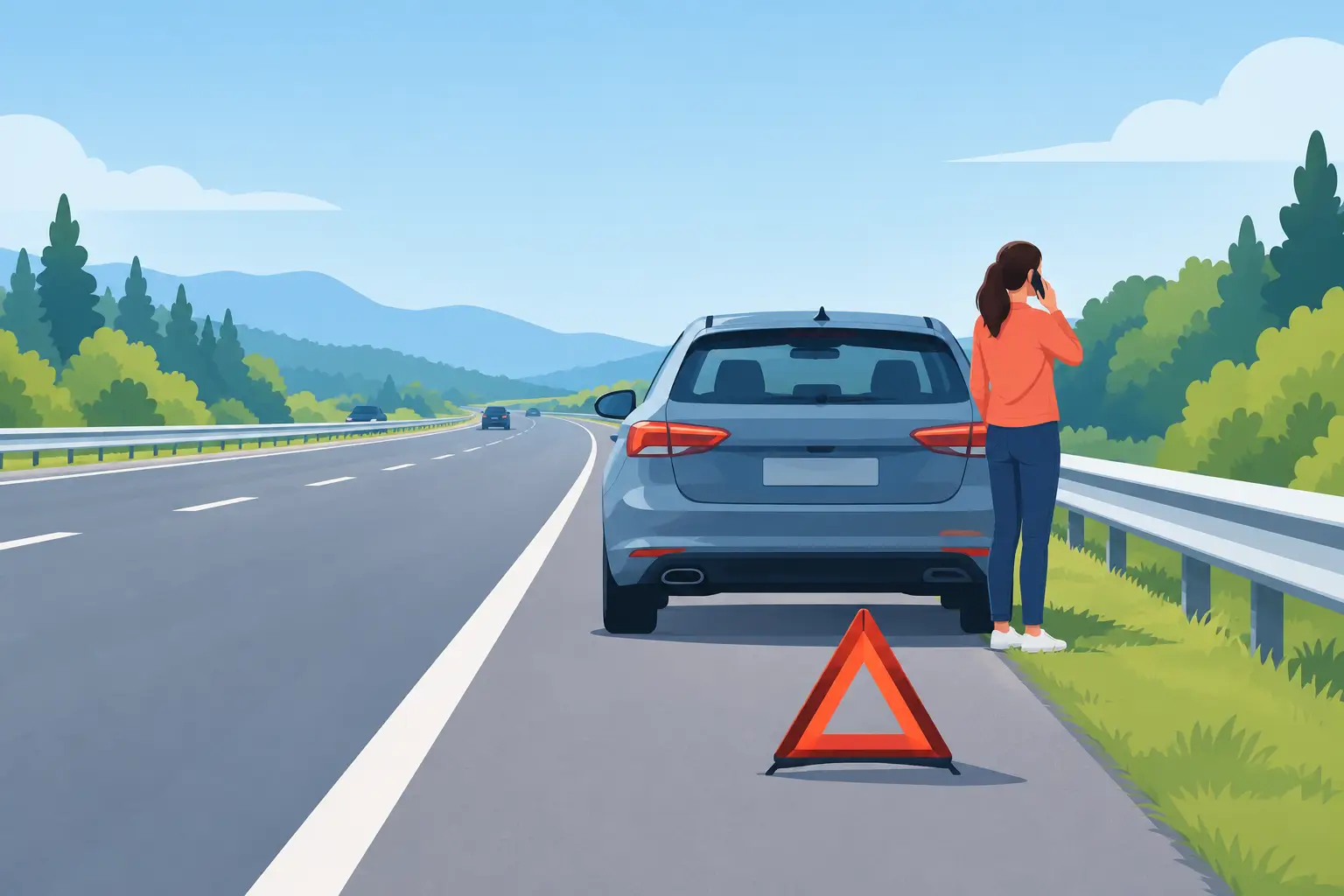
A flat tire, warning light, overheating engine, or sudden loss of power can turn a normal drive into a stressful moment fast. Finding safe highway pullovers is not just about getting out of the traffic lane. It means choosing the safest available place, making your vehicle visible, and protecting yourself until help arrives.
On highways around Gresham and Troutdale, traffic can move quickly and shoulders can narrow without much warning. The safest choice is sometimes farther ahead than you would like, especially if your vehicle is still moving. A few extra seconds spent reaching a wider, more protected area may be far safer than stopping immediately beside fast-moving traffic.
Finding Safe Highway Pullovers: What to Look For
A safe pullover gives you distance from traffic, room to exit carefully, and a clear view for approaching drivers. If your vehicle remains drivable, reduce speed gradually, turn on your hazard lights, and look ahead rather than stopping at the first patch of shoulder.
An exit ramp, rest area, parking lot, gas station, or designated turnout is usually preferable to the highway shoulder. These places give you more space and reduce the risk of another driver drifting too close to your vehicle. If you can reach one without creating more danger, keep moving at a controlled speed.
When leaving the roadway is not possible, look for the widest, flattest shoulder available. Pull as far right as conditions allow, avoiding soft ground, steep slopes, blind curves, bridge approaches, and locations just past the crest of a hill. Other drivers need enough distance to see your vehicle, react, and move over safely.
Do not stop in an active travel lane unless the vehicle can no longer move. If that happens, activate your hazard lights immediately, call 911 if you are at risk from traffic or have been involved in a crash, and tell dispatch your direction of travel, nearest mile marker, exit, or recognizable landmark.
Keep an eye on the road surface
The shoulder may look usable but still create another problem. Gravel, mud, standing water, loose pavement, or a deep drop-off can damage a tire, trap a vehicle, or make it difficult for a tow truck to reach you safely. Choose firm, level ground whenever possible.
Avoid pulling into tall grass or brush during dry conditions. A hot exhaust system can create a fire risk. It is also wise to avoid stopping beneath damaged trees, unstable slopes, or close to construction equipment when another location is available.
How to Pull Over Without Making the Situation Worse
The safest pullover begins before your vehicle reaches the shoulder. Ease off the accelerator, signal early if you can, and avoid sudden braking or sharp steering. Drivers behind you may not realize there is a mechanical problem, so predictable movement matters.
Turn on your hazard lights as soon as you know you need to stop. At night, in rain, fog, or heavy traffic, visibility becomes even more critical. Keep your headlights on if conditions are dim, and use interior lights only if they help you find what you need without distracting you from traffic.
Once stopped, put the vehicle in park, set the parking brake, and keep your wheels pointed straight unless the terrain requires otherwise. If you have passengers, ask them to stay calm and remain belted while you assess the location. Do not open a door facing traffic unless you have checked carefully for approaching vehicles.
If the shoulder is narrow or traffic is close, staying inside the vehicle with seat belts fastened is often the safest option. Your car provides more protection than standing a few feet from highway traffic. Lock the doors, call for help, and wait for clear instructions.
There are situations where leaving the vehicle makes sense, such as smoke, flames, the smell of fuel, or a position where another collision appears likely. In those cases, move away from traffic and away from the vehicle, preferably behind a guardrail if one is present. Do not stand directly in front of or behind your vehicle, where a rear-end collision could put you in immediate danger.
Places That May Feel Safe but Are Not
A quiet-looking spot can still be a poor place to stop. Avoid stopping on a curve, where drivers may not see you until the last second. The same is true near the top of a hill, in merging lanes, beside freeway entrances or exits, and near intersections where drivers are focused on changing lanes.
Stopping under an overpass can seem appealing during rain, but it may leave too little room for your vehicle and limit visibility for approaching traffic. Narrow bridges and tunnels are also dangerous places to wait. If the vehicle can move at all, aim for a safer area beyond them.
Do not pull onto the left shoulder of a divided highway unless there is no other option. Drivers do not expect disabled vehicles there, and traffic is passing on the side where you would need to exit. A right-side shoulder or an exit is generally the safer choice.
Be careful with parking lots and business driveways after dark, too. They may be safer than the highway but can still be isolated or poorly lit. Park near lighting, visible activity, or a building entrance when possible, and keep your doors locked while waiting for assistance.
Make It Easy for Help to Find You
A roadside assistance call goes faster when you can describe where you are clearly. Before calling, look for an exit number, mile marker, cross street, business sign, bridge name, or direction of travel. “I am on I-84 eastbound near Exit 16” is much more useful than “I am near Gresham.”
If your phone has a map app, use it to confirm your location, but do not spend several minutes trying to pinpoint an exact address while you are exposed to traffic. Give the best details you have and stay available for a callback. If your battery is low, reduce screen brightness, close unused apps, and save power for communication.
Tell the dispatcher what kind of vehicle you have, the problem you are experiencing, and whether you are in a safe location. Mention if you are towing a trailer, driving a motorcycle, carrying children, or dealing with a locked vehicle. These details help the right equipment and technician arrive prepared.
Tow Guys LLC provides around-the-clock roadside help and towing for drivers who need a dependable response in the Gresham area. Whether the problem is a non-starting vehicle, an empty fuel tank, a flat tire, accident recovery, or a vehicle that cannot be driven, clear location details help get assistance moving quickly.
While you wait, focus on visibility and safety
Keep your hazard lights on. If you carry reflective triangles, flares, or a roadside safety kit, use them only when it is safe to do so. Walking along a busy highway to place warning devices can expose you to more danger than it prevents, especially at night or in poor weather.
Do not accept roadside help from someone who makes you uncomfortable. A good Samaritan may mean well, but you are not required to open your door, hand over keys, or leave with anyone. You can speak through a slightly opened window, thank them, and let them know professional help is on the way.
If a tow truck arrives, verify that it matches the company you called before getting out or allowing your vehicle to be loaded. The driver should be able to identify the service and explain the plan for your vehicle. Ask where it is being taken and make sure you remove valuables, medications, documents, and anything you will need before transport.
A Small Amount of Preparation Changes the Outcome
You cannot choose when a breakdown happens, but you can make the next one less overwhelming. Keep your phone charged when traveling, carry a basic emergency kit, and know how to turn on your hazard lights. A flashlight, reflective vest, rain jacket, water, jumper cables, tire gauge, and portable phone charger take up little space and can make a long wait safer.
It also helps to pay attention to early warning signs before you get on the highway. A tire that feels low, an engine running hot, repeated difficulty starting, a battery warning light, or unusual noises deserve attention before they become a roadside emergency. Preventive service is not always convenient, but it is easier than choosing a shoulder during rush-hour traffic.
When trouble starts, give yourself permission to slow down and make the safer choice instead of the fastest one. A visible, protected stopping place and a clear call for help can turn a frightening highway moment into a situation that is handled safely.
Need a tow truck in Gresham? See Gresham towing or call Tow Guys 24/7 at (971) 222-7994.