
12 Best Items for Roadside Emergency Kit
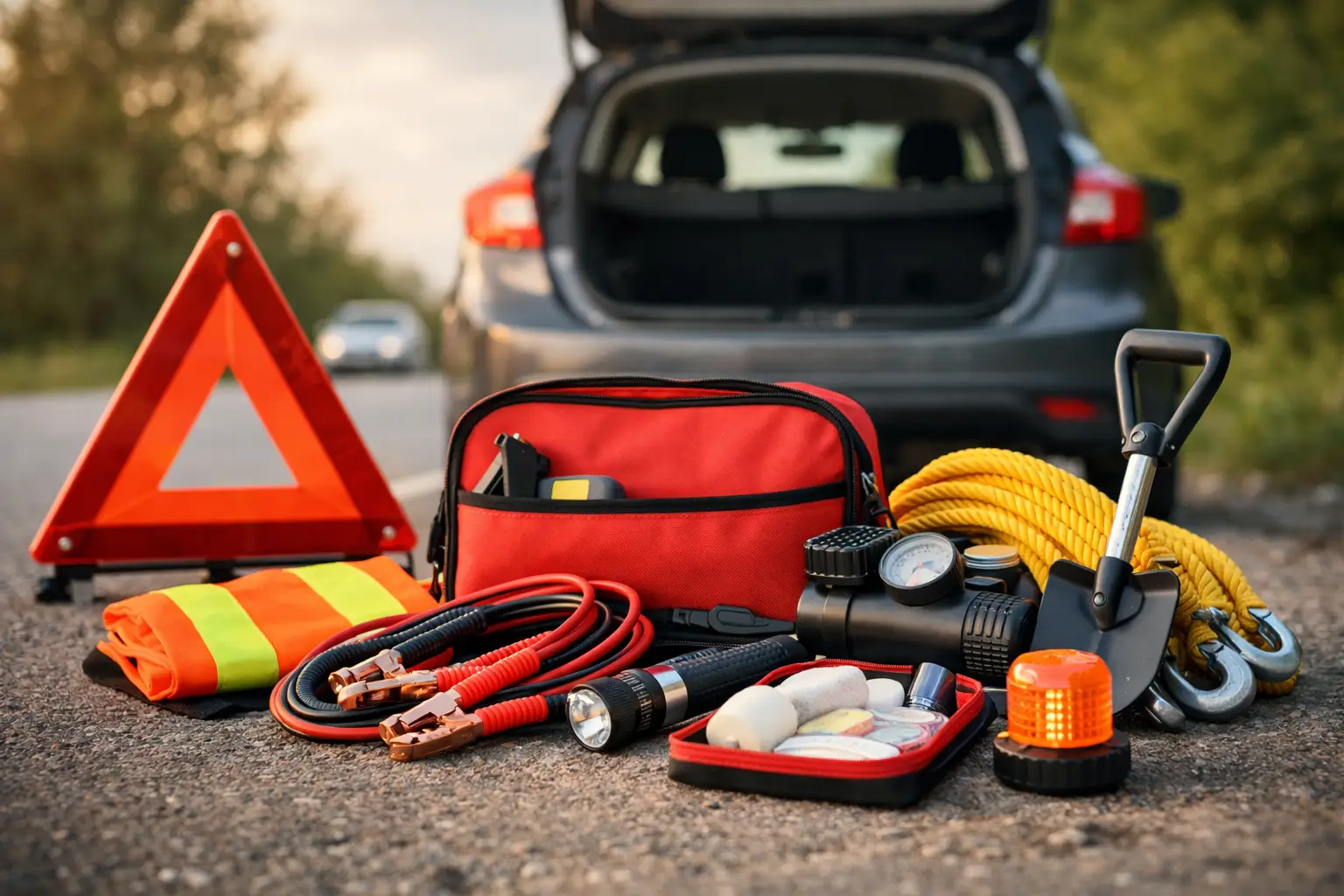
A roadside problem rarely gives you a warning. It happens on the way to work, after dark, in the rain, or with kids in the back seat and a full schedule ahead. That is exactly why knowing the best items for roadside emergency kit planning matters. The right gear will not fix every breakdown, but it can keep you safer, more comfortable, and better prepared until help arrives.
The goal is not to pack your trunk like a repair shop. A good kit should help with the problems drivers face most often - dead batteries, flat tires, poor visibility, cold weather, minor injuries, and the long wait that can follow a breakdown on a shoulder or side street. If you drive around Gresham or head through nearby routes where weather and traffic can change quickly, a little preparation goes a long way.
What makes the best items for roadside emergency kit use?
The best kits focus on safety first, then visibility, then comfort, then simple problem-solving. That order matters. If your car stops in an unsafe spot, being seen by other drivers is more important than having the perfect tool. If the weather is cold or wet, staying warm and dry becomes just as important as trying to restart the vehicle.
It also helps to think realistically. Some items are useful for every driver, while others depend on your vehicle, the season, and who usually rides with you. A commuter sedan, a family SUV, and a motorcycle all need different levels of space, gear, and backup supplies.
The core items every driver should carry
A flashlight is one of the most useful things you can keep in your vehicle. Breakdowns do not wait for daylight, and using a phone light while checking a tire or looking under a seat is frustrating at best. Choose a reliable flashlight with fresh batteries or a rechargeable model you remember to keep powered.
Jumper cables or a jump starter belong in almost every roadside kit. Cables are simple and affordable, but they depend on another driver being willing and able to help. A portable jump starter costs more, but it gives you more independence. For many drivers, especially those traveling alone or late at night, that trade-off is worth it.
A tire pressure gauge and portable air compressor can save a lot of trouble. Not every flat tire is completely blown out. Sometimes a low tire can be safely inflated enough to reach a nearby service station or get out of traffic and into a safer location. That said, if the tire is damaged, driving on it is not worth the risk.
A first aid kit is easy to overlook until you need it. It does not have to be elaborate. Bandages, gauze, antiseptic wipes, gloves, and basic pain relief cover a lot of common situations. The point is not emergency medicine. It is handling minor injuries calmly while you wait for professional help.
Reflective triangles or road flares make a major difference when your vehicle is stopped in low light or bad weather. Hazard lights help, but they are not always enough, especially on darker roads. Visibility can be the difference between a stressful situation and a dangerous one.
A phone charger, ideally one that works from your vehicle and one backup battery pack, is another must. When your car stops, your phone becomes your lifeline. It is how you call for roadside help, share your location, check weather, and contact family.
Best items for roadside emergency kit comfort and safety
A blanket sounds basic, but it earns its place quickly in cold, wet, or windy weather. If you are waiting for a tow truck in winter or sitting with a disabled vehicle after sunset, warmth matters. For families, keeping an extra blanket or two is even smarter.
Bottled water is another practical addition. It helps if you are stranded longer than expected, and it is especially useful during summer heat. Keep in mind that water should be replaced regularly, particularly if it stays in a hot vehicle for long periods.
Nonperishable snacks can make a bad situation easier, especially for kids. Granola bars, crackers, or shelf-stable snacks are enough. You are not stocking for a camping trip. You are buying time and keeping stress from getting worse.
A rain poncho or lightweight weather-resistant jacket is often forgotten. If you need to step out in Oregon rain to inspect a tire, place warning triangles, or speak with a tow operator, staying dry helps you stay focused.
Tools that help, if you know how to use them
A basic multi-tool or small tool kit can be helpful for minor issues like tightening a loose battery terminal or cutting tape, zip ties, or damaged packaging. Still, this is where honesty matters. If you are not comfortable doing roadside fixes, there is no reason to force it. Safety matters more than trying to play mechanic on the shoulder.
A tow strap is one item many people buy without understanding when to use it. In the wrong hands, it can be dangerous and cause vehicle damage. Unless you know proper recovery procedures and your vehicle is equipped for it, this is usually better left to trained roadside professionals.
A tire sealant can be helpful in some cases, but not all. It may work for a small puncture, but it will not solve sidewall damage or major tire failure. Some drivers like having it as a backup, while others prefer to skip it and rely on a spare or roadside assistance. It depends on your vehicle and your comfort level.
Items people forget but often need
Keep your registration, proof of insurance, and important phone numbers easy to access. In a stressful moment, digging through a glove box full of old receipts does not help. It is also smart to have a written contact number or two in case your phone battery dies.
Work gloves are a small addition that makes a big difference. They protect your hands if you need to handle a dirty spare tire, move debris, or deal with wet, cold equipment.
Paper towels, shop towels, or wet wipes are not emergency gear in the traditional sense, but they are useful after checking under the hood or changing a tire. The same goes for a small bag of kitty litter or traction material in winter, which can help if your tires are stuck on ice or slush.
If you have children, add anything that keeps them safe and settled during a delay. That could mean extra diapers, wipes, formula, or a small comfort item. If you travel with pets, pack a leash, collapsible bowl, and water.
How to build the right kit for your vehicle
Start with your actual driving habits. If most of your trips are short and local, your kit can stay simple and compact. If you commute long distances, drive early or late, or take highway trips often, build in more comfort and backup supplies.
Season matters too. Winter calls for blankets, gloves, traction support, and extra cold-weather gear. Summer puts more emphasis on water, shade, and heat-related safety. A roadside emergency kit should change a little through the year, not sit untouched forever.
Vehicle type matters as well. A motorcycle rider needs a more compact version focused on visibility, first aid, charging, and weather protection. A truck or SUV can carry more gear without issue. Families should think beyond the driver and account for everyone in the vehicle.
What your kit cannot replace
Even the best-packed bag has limits. A roadside kit will not safely fix every dead battery, tire problem, lockout, overheating issue, or collision aftermath. It is there to support you in the first moments of a problem, not replace trained help.
That is why the smartest approach is a mix of preparation and judgment. Carry the tools that make sense, know how to use the basics, and do not take unnecessary risks on the roadside. If your vehicle is in a dangerous spot, if traffic is heavy, or if the problem is bigger than a simple fix, calling for help is the right move.
For local drivers, that peace of mind matters. A family-owned roadside company like Tow Guys LLC sees the same pattern every day - people do better in stressful situations when they have a few reliable essentials and a clear plan for what to do next.
A good roadside emergency kit is not about expecting the worst. It is about giving yourself a better chance to stay safe, visible, and calm when the unexpected shows up on an ordinary drive.
Need a tow in Gresham or East County? Call Tow Guys 24/7 at (971) 222-7994.