
Can a Tow Truck Tow Trailers? What to Know
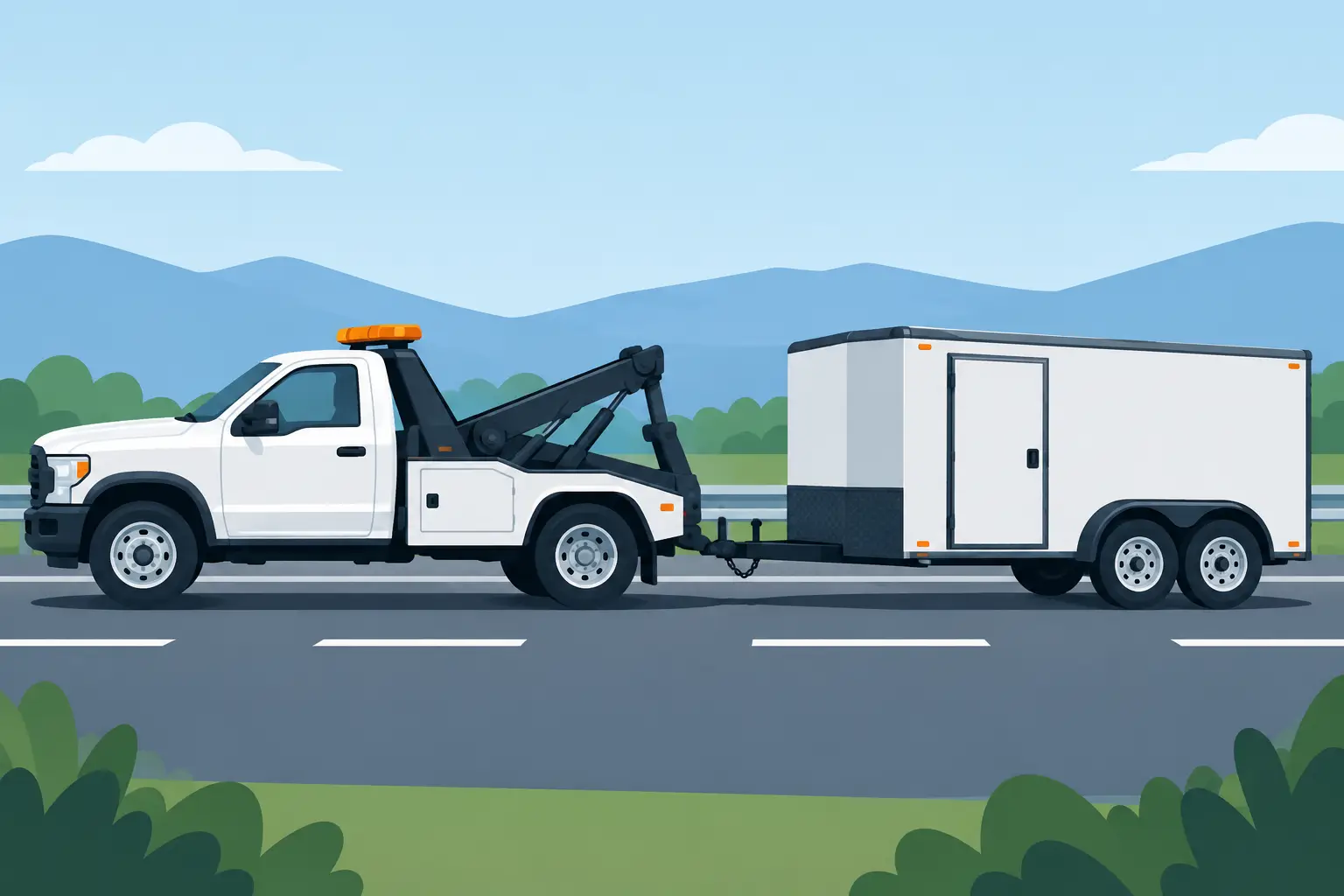
A trailer problem can turn stressful fast. A flat tire, broken axle, damaged hitch, or disabled tow vehicle can leave the whole setup blocking a lane, stranded on a shoulder, or stuck at home. So, can a tow truck tow trailers? In many cases, yes - but the safe method depends on the trailer, its load, its condition, and the equipment available.
A professional towing operator does more than hook up and pull away. They assess the trailer’s size and weight, inspect the connection points, account for the cargo, and choose a truck and route that can handle the job safely. That matters whether you are dealing with a small utility trailer, a boat trailer, a travel trailer, or an enclosed work trailer.
Can a Tow Truck Tow Trailers Safely?
A tow truck can tow many types of trailers when the trailer can be safely connected, controlled, and transported within the truck’s capacity. The key phrase is safely. Not every trailer should be handled the same way, and a quick tow can become a dangerous situation if the equipment does not match the load.
For example, a light utility trailer with sound tires and an intact coupler may be towed conventionally behind a properly equipped tow truck. A trailer with a bent axle, missing wheel, failed suspension, or damaged tongue may need a different approach. Depending on the situation, a flatbed may be the better choice, particularly when the trailer needs to be loaded rather than rolled.
The same goes for trailers carrying equipment, landscaping tools, motorcycles, furniture, or other cargo. The total weight is not just the trailer’s empty weight. It includes everything on it. An overloaded or unevenly loaded trailer can sway, place too much strain on the hitch, and create braking problems during transport.
What Determines How a Trailer Is Towed?
The right answer begins with an inspection. A professional operator will look at the trailer itself, the condition of the running gear, and whether the load is secure before deciding how to move it.
Trailer size and total weight
Tow trucks have towing limits, just like personal trucks and SUVs. A small open trailer requires very different equipment than a large enclosed trailer or a travel trailer. Length matters too. A longer trailer needs more turning room and can be harder to maneuver through tight neighborhoods, parking lots, and busy roads.
Loaded weight is especially important. A trailer that looks manageable can become much heavier once it is carrying construction materials, tools, a side-by-side, or household items. Giving the dispatcher an honest description of the trailer and its cargo helps send the right truck the first time.
Hitch, coupler, and safety connections
The coupler and tongue are central to a conventional trailer tow. If the coupler is intact and fits a compatible hitch ball, the trailer may be able to travel behind the tow truck. Safety chains, breakaway components, electrical wiring, and trailer brakes should also be checked when applicable.
If the tongue is bent, the coupler will not latch, or the safety chains are damaged, it is not a situation to solve with improvised straps. A trailer can separate from the tow vehicle when connection equipment fails. That risk is too serious to guess at, especially at road speed.
Tire, wheel, axle, and suspension condition
A trailer with good tires and working wheel bearings can usually roll normally. A trailer with a blown tire may still be movable after a safe tire change or with the wheel properly addressed. But a seized bearing, missing wheel, broken axle, or collapsed suspension can make conventional towing unsafe.
In those cases, the operator may need to load the trailer, use specialized support equipment, or arrange transport that keeps damaged components off the road. The goal is not merely to get the trailer moving. It is to prevent more damage and protect everyone nearby.
Cargo security and trailer balance
Loose cargo changes everything. Items can shift during braking, turns, and uneven road surfaces, making the trailer unstable. Heavy equipment must be secured, doors and ramps must be latched, and the load should be balanced correctly from front to back and side to side.
If cargo cannot be safely secured, it may need to be removed or stabilized before transport. This can feel inconvenient when you are already stranded, but it is far better than losing equipment or creating a roadway hazard on the way to the destination.
When a Flatbed Is the Better Option
A flatbed is often the safest choice for trailers that cannot be reliably towed on their own wheels. It can also be useful when a trailer has been in an accident, has severe wheel or axle damage, or needs to be moved without adding miles to its tires and bearings.
Not every trailer will fit every flatbed. Width, length, ground clearance, and load position all affect whether loading is practical. A professional towing company will evaluate the trailer before promising a particular method. If a standard tow is not right for the situation, the honest answer should be a safer alternative - not a risky attempt.
Flatbed transport can also make sense when the trailer is attached to a disabled vehicle. Rather than separating the trailer without a plan, the operator can determine whether the vehicle, the trailer, or both need transport and arrange the safest sequence.
What to Tell the Dispatcher Before Help Arrives
Clear details help get the appropriate truck to you faster. When you call for trailer towing, explain the trailer type, approximate length, whether it is loaded, and what went wrong. Mention any damage to the hitch, tires, wheels, axle, or frame.
It also helps to describe the location accurately. Tell the dispatcher whether you are on a busy road, freeway shoulder, driveway, parking lot, gravel lot, or narrow residential street. If the trailer is blocking traffic or creating an immediate safety issue, say so right away.
If possible, have these details ready:
- Trailer type and approximate length
- Whether it is empty or loaded, plus the general cargo
- Whether the tires, wheels, axle, and hitch are intact
- Whether it is attached to another vehicle
- Your exact location and any access concerns
Photos can sometimes help a dispatcher understand the damage, but do not stand in traffic or walk near moving vehicles to get them. Your safety comes first.
What You Should Do While Waiting for Trailer Towing
Move yourself and passengers to a safe place away from traffic when conditions allow. Turn on hazard lights, and use reflective triangles or flares only if it is safe to do so and you have them. At night or in poor weather, visibility becomes even more important.
Do not crawl under the trailer, attempt to straighten a damaged tongue, or use chains and straps as a substitute for a proper hitch connection. Avoid unloading heavy cargo beside a busy roadway unless emergency responders direct you to do so. A trailer can shift suddenly, especially after a collision or mechanical failure.
If your tow vehicle is still connected, do not assume it is safe to drive away just because the vehicle starts. Trailer brake issues, damaged wiring, a loose coupler, or unstable cargo may make continued travel unsafe. Waiting for a trained operator can prevent a much larger problem a few miles down the road.
Trailer Towing for Local Breakdowns and Recovery
Trailer trouble often happens at the least convenient time: on the way to a job, heading out for a weekend trip, or returning home with a load. For drivers in Gresham and Troutdale, local knowledge can make a difference when a trailer is stuck on a narrow road, disabled near traffic, or difficult to access.
Tow Guys LLC approaches trailer calls with the same focus as any roadside emergency: assess the situation, send capable help, and handle the vehicle or trailer with care. The right response may be a conventional tow, flatbed transport, roadside assistance, or a recovery plan based on the damage and location.
A trailer does not have to be a major RV or commercial rig to deserve professional attention. Even a small utility trailer can become unsafe when a wheel fails or the hitch is compromised. When something does not look or feel right, stop, secure the area as safely as you can, and get experienced help before the situation gets worse.
Need a tow in Gresham or East County? Call Tow Guys 24/7 at (971) 222-7994.