
Preventing Roadside Engine Failure Before It Starts
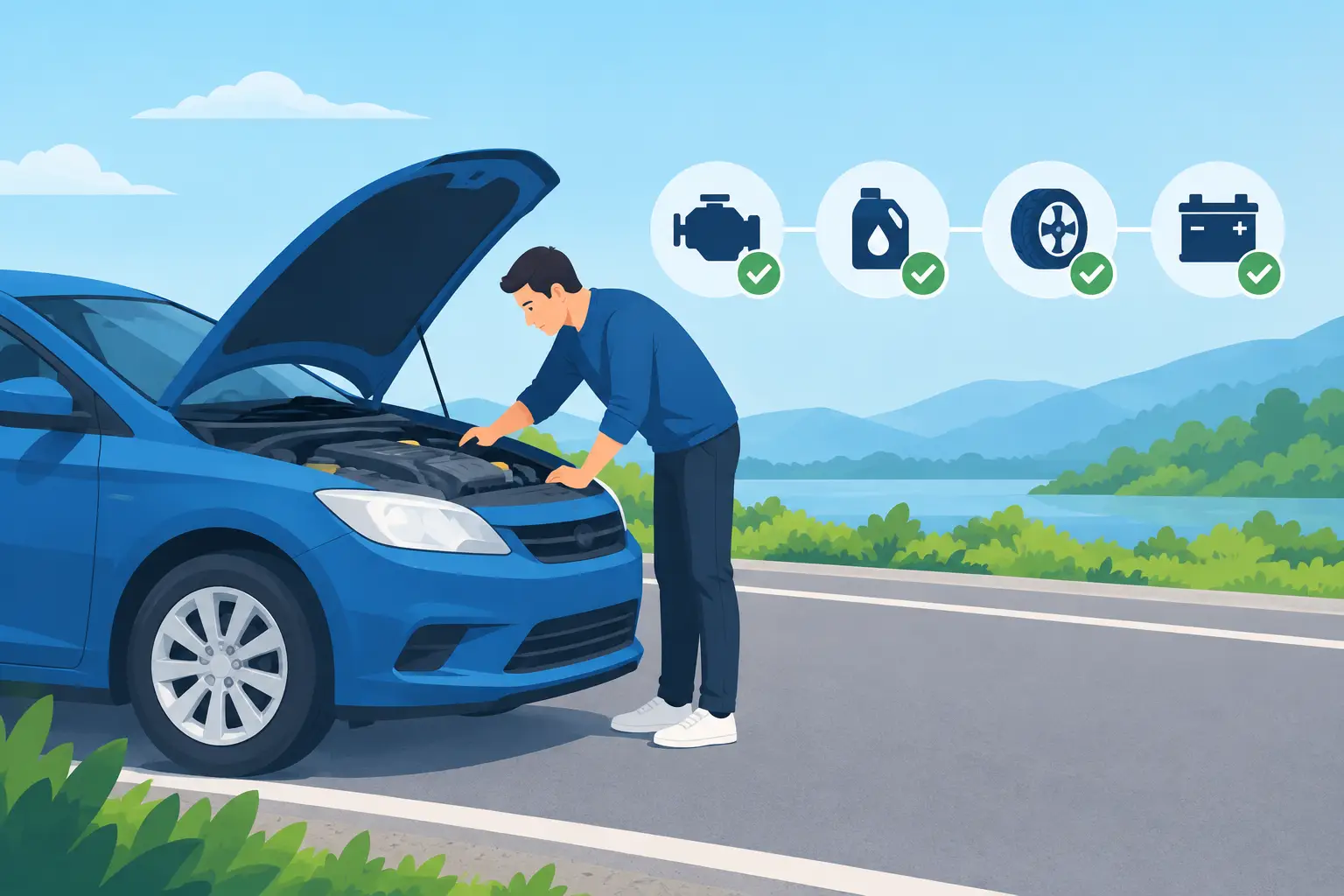
A temperature gauge climbing past normal. A burning smell at a stoplight. An engine that cranks slower than it did last week. These are the moments when preventing roadside engine failure stops being a maintenance idea and becomes the difference between getting home and waiting on the shoulder.
Most breakdowns do not arrive without warning. Vehicles usually give drivers small clues first, especially during Gresham and Troutdale's wet, cold months, when batteries, cooling systems, and worn tires work harder. Paying attention early can help protect your vehicle, your schedule, and the people riding with you.
Start With the Fluids That Protect Your Engine
Engine oil is the first place to look. Oil reduces friction between moving engine parts, carries heat away, and helps keep internal components clean. If the level is low, the oil is very dark and gritty, or you cannot remember the last oil change, schedule service before taking a longer trip.
Check oil on level ground after the engine has been off long enough for the oil to settle. The owner’s manual will tell you the correct interval and oil type for your vehicle. Do not assume every car needs an oil change at the same mileage. Newer vehicles may have oil-life monitoring systems, while vehicles that tow trailers, make frequent short trips, or sit in heavy traffic may need more frequent attention.
Coolant deserves the same respect. An engine can overheat quickly when coolant is low, a hose is leaking, or a radiator is not doing its job. Only inspect coolant when the engine is cool. Never remove a hot radiator cap. If you notice a sweet smell, puddles under the vehicle, steam from under the hood, or a temperature gauge rising above normal, pull over safely and shut the engine down rather than trying to drive through the problem.
Transmission fluid, brake fluid, and power steering fluid also matter, although the way they are checked varies by vehicle. A sudden leak, trouble shifting, a soft brake pedal, or new steering noise calls for professional attention. Topping off a fluid may temporarily hide a problem, but it does not repair the leak that caused it.
Preventing Roadside Engine Failure Starts With Your Battery
A battery may seem like a small part of the vehicle, but it is responsible for starting the engine and supporting electrical systems. Cold mornings are especially tough on aging batteries. If the engine turns over slowly, headlights dim at idle, or you need repeated jump-starts, do not wait for the next no-start situation.
Look for corrosion around the battery terminals, loose cable connections, or a swollen battery case. Corrosion can interfere with the connection needed to start the vehicle. A parts store or repair shop can test battery health and the charging system, which includes the alternator. That test is useful because a battery that keeps going dead may not be the true issue.
Battery age matters, too. Many batteries last around three to five years, but weather, driving habits, and vehicle demands can shorten that range. If yours is approaching that age and has shown even mild symptoms, replacement is usually less stressful than arranging roadside help when it finally fails.
Watch Belts, Hoses, and Warning Lights
Belts and hoses are easy to overlook because they are not always visible from the driver’s seat. Yet a cracked belt or failed hose can leave you stranded quickly. Serpentine belts often operate systems such as the alternator, water pump, and air conditioning compressor. If that belt breaks, the battery may stop charging and the engine can overheat.
When the engine is off and cool, watch for frayed belt edges, cracking, glazing, soft hoses, bulges, or fluid residue around hose connections. A squealing sound after startup or while turning can also point to a belt issue. Have unusual noises checked before they turn into a breakdown.
Dashboard warning lights are not decorations. The check engine light can mean anything from a loose fuel cap to an engine problem, but a flashing check engine light needs prompt attention. It can indicate a misfire serious enough to damage the catalytic converter. The oil-pressure warning, battery light, and temperature warning are even more urgent. If one comes on while driving, get to a safe place as soon as possible and avoid guessing at the cause.
Do Not Let Fuel and Air Problems Sneak Up on You
Running out of gas is more common than people like to admit, particularly when a fuel gauge is inaccurate or a driver assumes there is enough left for one more errand. Keep a practical fuel buffer instead of routinely driving until the low-fuel light appears. For many drivers, refueling around one-quarter tank is a simple habit that provides room for detours, traffic, and unexpected delays.
A dirty air filter, contaminated fuel, or a failing fuel pump can also affect engine performance. Hesitation when accelerating, rough idling, sputtering, loss of power on hills, or stalling are not symptoms to ignore. Sometimes the repair is straightforward. Other times, continued driving turns a smaller issue into a tow and a larger repair bill.
Use fuel from reputable stations and follow your manufacturer’s maintenance schedule. If you drive a light truck, haul a trailer, or regularly carry heavy loads, tell your mechanic. Extra weight puts added demand on the engine, transmission, brakes, and cooling system, so standard maintenance intervals may not fit your use.
Make a Quick Check Part of Every Longer Drive
You do not need to be a mechanic to spot basic trouble before leaving home. Before a highway trip, a mountain drive, or a day hauling equipment, take five minutes to check the vehicle. A short routine is especially worthwhile if it has been sitting for several days.
- Look beneath the vehicle for fresh puddles or dripping fluid.
- Check that tires look properly inflated and are free of obvious damage.
- Confirm headlights, brake lights, and turn signals are working.
- Listen for new clicks, squeals, grinding, or rough starting.
- Check the fuel level and make sure your phone is charged.
Tires are included for a reason. A flat tire may not cause engine failure, but a tire problem can force you onto the roadside in the same unsafe conditions. Proper tire pressure also reduces strain on the vehicle and improves handling, especially in rain.
Keep a small roadside kit in the vehicle with a flashlight, reflective gear, phone charger, water, basic first-aid supplies, and seasonal items such as a blanket. If you have jumper cables, make sure you know how to use them safely. For many drivers, a portable jump starter is easier and safer than relying on another vehicle.
Know When to Stop Driving
One of the best ways to prevent serious engine damage is knowing when not to keep going. Pull over in a safe, visible location if the temperature gauge enters the danger zone, the oil-pressure light comes on, steam appears, the engine loses power sharply, or you smell burning. Turn on hazard lights and move away from traffic if conditions allow.
Do not open the hood around traffic or attempt repairs where passing vehicles create a risk. Do not pour cold water onto a hot engine, and do not restart repeatedly if the vehicle will not start. Those choices can make an existing issue worse.
If your vehicle is disabled in Gresham or the surrounding area, getting dependable roadside assistance or a tow is often the safer choice than trying to force the vehicle home. Tow Guys LLC understands that a breakdown is not just a mechanical problem. It can interrupt work, family plans, and your sense of safety.
Your vehicle does not need to be perfect to be dependable. It needs regular attention, quick action when something changes, and a driver willing to treat warning signs as a reason to check in rather than push forward. That small decision can keep a stressful roadside call from becoming part of your day.
Need a tow in Gresham or East County? Call Tow Guys 24/7 at (971) 222-7994.