
Will a Tow Truck Start Cars? What to Expect
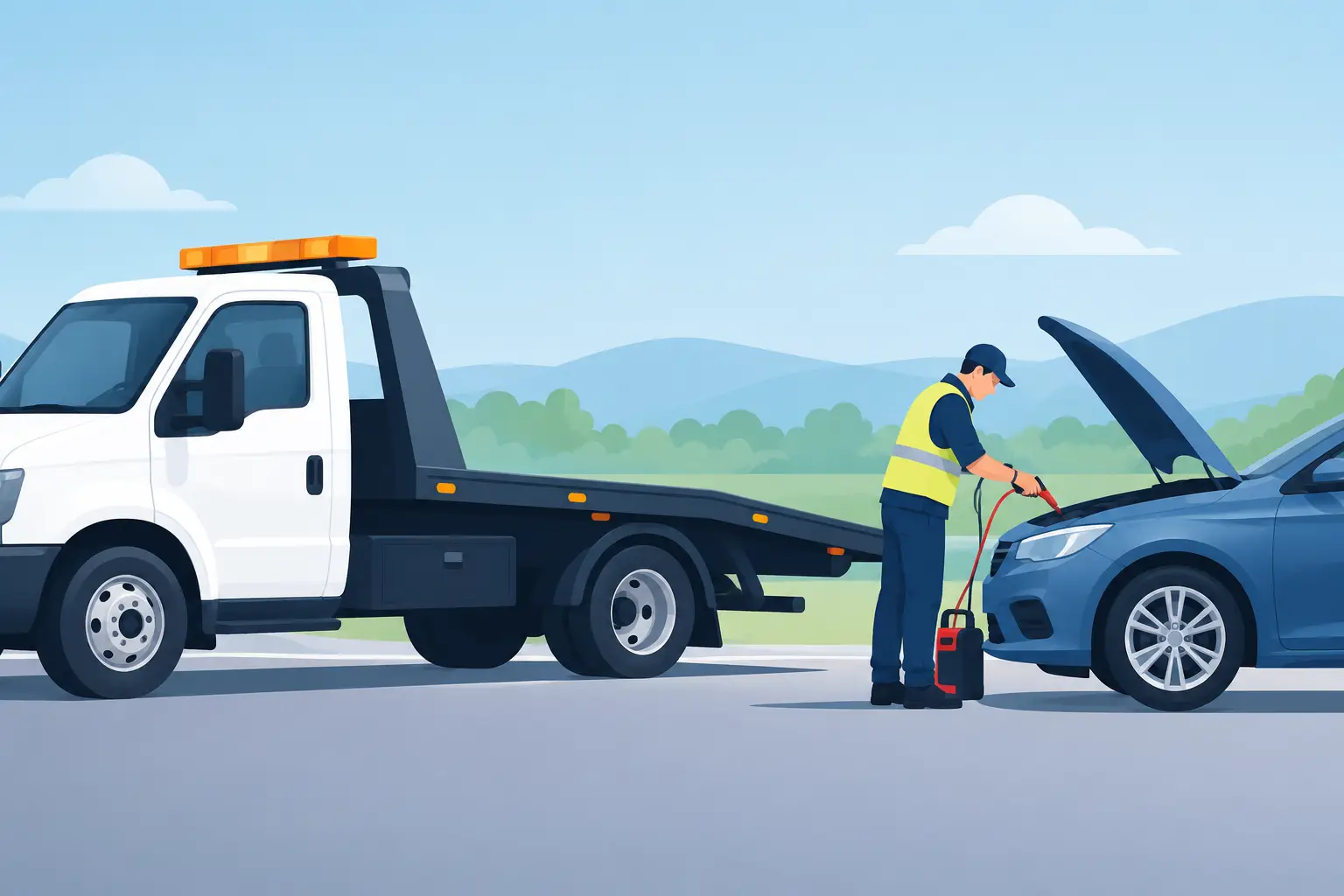
A silent car in a parking lot, driveway, or on the shoulder can turn a normal day into a stressful one fast. Will a tow truck start cars? Often, yes. A towing or roadside assistance professional may be able to jump-start a vehicle and get you moving again. But a jump-start is not a cure for every no-start problem, and sometimes the safest answer is a tow.
The right response depends on what your vehicle is doing, where it is stopped, and whether it can be driven safely after it starts. If you are stranded in Gresham or Troutdale, the priority is simple: get out of danger, get a clear assessment, and avoid making a small issue worse.
Will a Tow Truck Start Cars With a Dead Battery?
If the battery is dead or too weak to crank the engine, a tow truck driver can often help with a jump-start. Roadside service vehicles commonly carry professional-grade jump packs or cables designed to deliver enough power to start many cars, light trucks, and SUVs.
A technician will connect the equipment correctly, confirm the vehicle starts, and let you know what may have caused the problem. Leaving lights on, a door that did not fully latch, cold weather, an aging battery, or a charging-system issue can all leave you with too little battery power to start.
Once the car starts, do not assume the issue is permanently fixed. If the battery is old, the dashboard battery light stays on, or the car dies again shortly afterward, you may need a battery test, alternator repair, or a tow to a repair shop. A jump-start gets the engine running. It does not repair the reason the battery went flat.
When a Jump-Start May Not Work
Many drivers use the phrase “dead battery” for any no-start condition. In reality, several problems can prevent a car from starting, and some cannot be solved by adding battery power.
If you hear a rapid clicking sound, see dim interior lights, or get no response at all when turning the key, the battery may be the likely culprit. If the engine cranks normally but will not fire up, the problem could involve fuel delivery, ignition, a security system, or another mechanical issue. A jump-start is less likely to help in that situation.
A single heavy click can point to a starter problem. A car that starts with a jump but stalls once the cables or jump pack are removed may have an alternator that is not charging. If there is smoke, a burning smell, leaking fluid, damaged battery casing, or exposed wiring, do not try repeated jump-starts. Turn the vehicle off, step away if needed, and request professional help.
Modern vehicles add another consideration. Many have sensitive electronics, hybrid systems, start-stop batteries, or battery locations that are not obvious. Using the wrong connection point or attempting an improper jump can create avoidable damage. Roadside technicians know how to approach these situations more safely than a rushed attempt with random cables.
When Towing Is the Better Choice
Getting the car started is useful only if it is safe and sensible to drive. A tow is often the better option when the vehicle has a warning light, overheats, makes loud mechanical noises, has a flat tire without a usable spare, or cannot stay running.
Towing also makes sense if the vehicle is stopped in a dangerous spot. A shoulder near fast-moving traffic, a blind curve, an intersection, or a poorly lit road is not the place to troubleshoot a car for long. The goal is to protect you, your passengers, and other drivers first.
If a jump-start works but you are worried the car will die again on the road, ask for a tow instead of gambling on the drive. The extra inconvenience of transport can be far less stressful than breaking down a second time, especially at night or with children in the vehicle.
Tow Guys LLC can assess the situation and provide the practical service you need, whether that means a jump-start, roadside assistance, or safe transport for your car, truck, motorcycle, or trailer.
What to Do While You Wait for Roadside Help
Your actions while waiting can make the situation safer and help the driver assist you faster. First, move the vehicle out of traffic if it can be moved safely. If it cannot, turn on your hazard lights and keep a safe distance from passing traffic. At night, stay visible without standing near the flow of vehicles.
If you are in a safe parking lot or driveway, stay with the vehicle when possible. Have your location ready, including cross streets, a nearby business, mile marker, or clear description of where you are parked. Let the dispatcher know the vehicle make and model, what happens when you try to start it, and whether you are in an unsafe location.
Avoid repeatedly turning the key or pressing the start button. Multiple attempts can drain what little battery power remains and may make it harder to diagnose the problem. Do not open the hood near traffic unless you can do so safely and have been asked to check something simple, such as whether the battery terminals are visibly loose.
If you have passengers, especially children, consider the weather and your surroundings. A warm or air-conditioned vehicle may not remain comfortable for long if the engine will not run. In an unsafe area, move to a secure location only if it is safe to do so.
Can a Tow Truck Charge a Car Battery?
A jump-start and battery charging are different services. A jump pack provides a strong temporary boost to start the engine. It does not fully recharge a depleted battery the way a proper battery charger can over several hours.
After a successful jump-start, driving may restore some battery charge if the alternator is working properly. But short trips, heavy accessory use, and a failing alternator may leave the battery undercharged. If your car needed a jump once because of an obvious cause, such as an interior light left on overnight, driving to a battery shop or home may be reasonable. If the cause is unknown or the battery keeps failing, have the system checked promptly.
A Few Signs You Should Not Drive After a Jump
A vehicle that starts can still be unsafe to drive. Pay attention to warning signs immediately after the engine comes on. If the battery warning light remains illuminated, the temperature gauge climbs, steering feels unusually difficult, or the engine runs rough, shut the car off when you can do so safely.
The same applies if the vehicle smells like burning rubber or electrical wiring, produces smoke, or loses power. These are not problems to “drive through” in hopes they disappear. Calling for a tow protects your vehicle from further damage and removes the uncertainty of trying to make it to a shop.
The Best Call Depends on the Problem
A tow truck can often start a car with a weak battery, and that may be all you need to finish your day. Still, roadside help is more than a quick jump. It is having someone evaluate the situation calmly, use the right equipment, and tell you when the road is no longer the right place for a repair attempt.
If your car will not start, focus on staying safe rather than guessing at the fix. A professional roadside response can give you a clean answer: get moving, get inspected, or get towed somewhere safe.
Need a tow in Gresham or East County? Call Tow Guys 24/7 at (971) 222-7994.