Who to Call After Car Accident
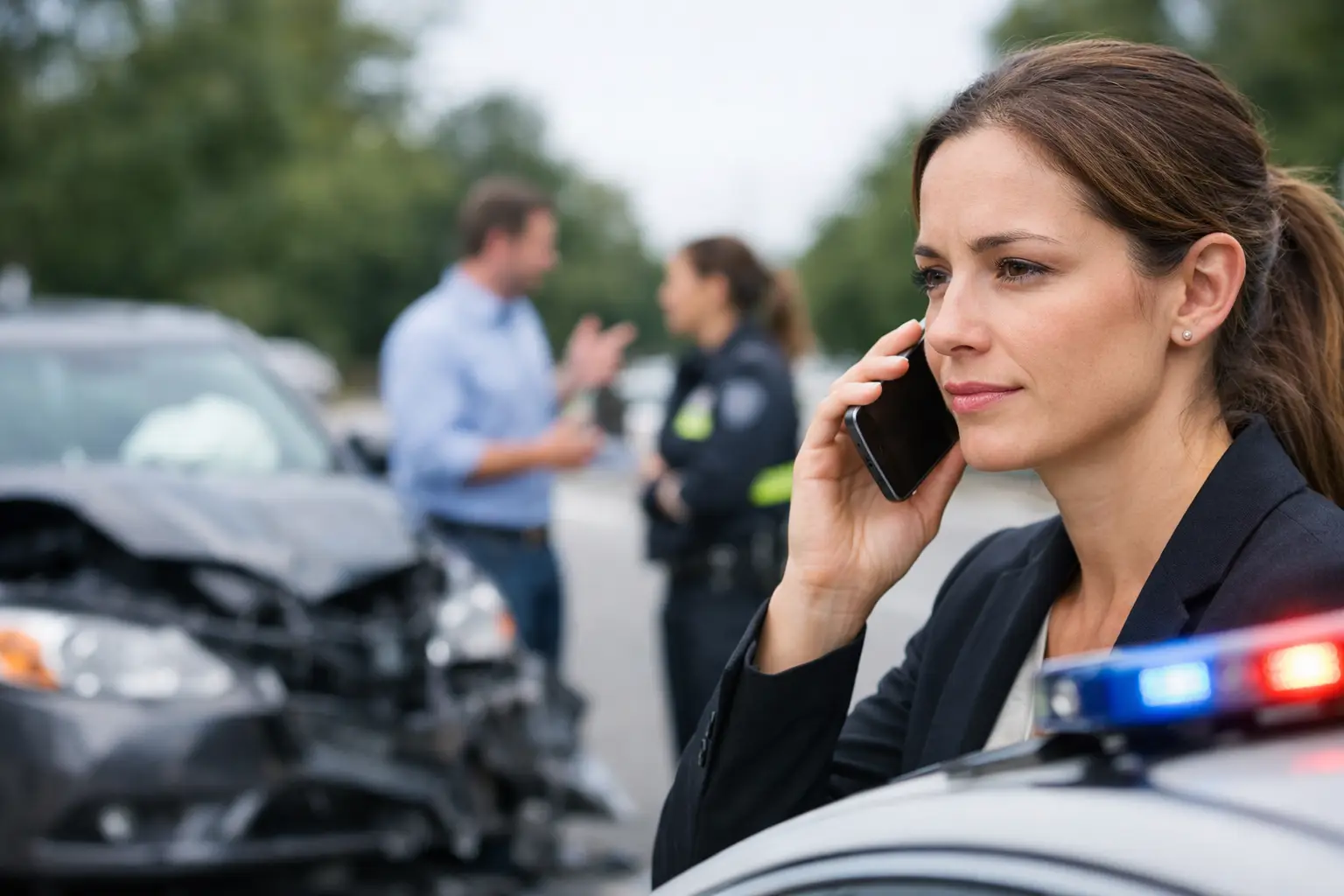
The first few minutes after a crash can feel loud, confusing, and rushed all at once. If you're wondering who to call after car accident, the right answer depends on what happened, whether anyone is hurt, and whether your vehicle can be moved safely.
What matters most is getting help in the right order. Safety comes first, then medical care if needed, then law enforcement, then towing and insurance. When people are shaken up, they often call the wrong number first. A simple plan can keep things from getting more stressful than they already are.
Who to call after car accident first
If anyone is injured, call 911 first. That includes obvious injuries, head pain, bleeding, trouble moving, chest pain, or even confusion after impact. Some injuries do not show up right away, and it is better to get emergency responders involved than to guess wrong.
If there are no apparent injuries but the crash is blocking traffic, creating a hazard, or involves unsafe driving, calling law enforcement is still usually the right move. A police response can help secure the scene, direct traffic, and document what happened. That report may also help later when you speak with your insurance company.
If your vehicle is disabled, stuck in a dangerous spot, or not safe to drive, your next call should be a towing company. This is where many drivers lose time. They call friends, search online while standing near traffic, or wait too long hoping the car can still be driven. If the steering feels off, fluids are leaking, a wheel is damaged, or airbags deployed, do not risk driving it.
After immediate safety and roadside needs are handled, call your insurance company. They will want the basic facts, the other driver's information, photos if you have them, and the location of your vehicle if it is being towed.
Start with safety before you make calls
Before anything else, check yourself and your passengers. Then, if the vehicle can be moved and it is safe to do so, pull to the shoulder or another secure area away from traffic. Turn on your hazard lights.
If the car cannot be moved, stay in a safer position away from moving vehicles if possible. On a busy road, standing next to a disabled car can be dangerous. If you have flares or reflective triangles and can place them safely, that can help alert other drivers.
A lot depends on the type of crash. A low-speed fender bender in a parking lot is not the same as a hard impact on a highway. The more danger around you, the more important it is to get professional help on scene quickly.
When to call 911 after an accident
Call 911 any time there is an injury, a suspected injury, a fire risk, a fuel leak, a vehicle in traffic, or major property damage. You should also call if the other driver leaves, appears impaired, becomes aggressive, or does not have insurance information to provide.
Some drivers hesitate because they do not want to overreact. That hesitation can make things worse. If you are unsure whether the situation counts as an emergency, let the dispatcher help decide. That is part of their job.
If you are in Oregon, reporting requirements can vary based on injuries, damage, and the specifics of the crash. Police and your insurer can guide you on what documentation you need. The key point in the moment is simple: if there is danger, call emergency services first.
When to call a towing company
A tow truck is not just for a completely totaled car. You may need towing after an accident even if the vehicle still starts. Damage is not always obvious from the driver's seat.
Call a towing company if the car will not start, one or more tires are badly damaged, fluids are leaking, the frame or suspension may be compromised, the steering pulls hard, or debris is rubbing against the wheels. You should also call if the vehicle is stuck on a curb, in a ditch, against a barrier, or in a position that makes driving unsafe.
This is especially important after a side impact or front-end collision. A car can appear drivable but still have hidden mechanical damage. Trying to push through and drive home can turn one problem into several.
For local drivers in Gresham or Troutdale, a nearby towing company can usually respond faster than a far-off dispatch center. That matters when you are sitting on the shoulder, trying to keep yourself and your family calm.
Who to call after car accident if your car still runs
This is one of the most common questions. If the engine starts, many people assume they are fine to leave. But a running vehicle is not always a safe vehicle.
If the car starts and drives normally, there are no warning lights, no fluid leaks, no smoke, and no obvious damage affecting wheels, lights, or steering, you may not need a tow. Even then, use caution. If the crash was more than minor, getting the vehicle checked soon is a smart move.
If the car starts but something feels wrong, call for towing. Trust what the vehicle is telling you. Strange noises, vibration, pulling, grinding, or a crooked steering wheel are all reasons to stop driving.
What to do before you call insurance
Insurance is important, but it does not always need to be your first call. If you are standing in an unsafe location or your vehicle is blocking traffic, solve that problem first.
Once everyone is safe, gather the basics. Get the other driver's name, insurance information, phone number, license plate, and vehicle make and model. Take photos of the scene, visible damage, the road, and any relevant signs or signals if you can do it safely.
When you call your insurer, stick to the facts. Share what happened, where it happened, and whether police responded. If your car was towed, tell them where it is going. Clear information early can make the claims process smoother later.
Mistakes that make accident situations harder
One common mistake is accepting help from the first random tow truck that appears without confirming who they are, where they are taking your vehicle, or who requested them. In some cases, drivers are pressured into quick decisions when they are too stressed to think clearly.
Another mistake is driving a damaged vehicle because it seems cheaper or faster than towing. That can create additional damage and increase the risk of another accident. Saving one tow bill is not worth losing control of the car a mile later.
People also wait too long to document the scene. If you are physically able and it is safe, take pictures early. Vehicles get moved, weather changes, and details fade fast after adrenaline kicks in.
A simple order to remember
When emotions are high, it helps to keep the order simple. First, check for injuries and call 911 if needed. Second, move to safety if possible. Third, contact law enforcement when appropriate. Fourth, call a towing company if the vehicle is not safe to drive. Fifth, call your insurance company and give them the facts.
That order may shift a little depending on the accident. A minor scrape in a parking lot is different from a multi-car crash on a wet road. But in most cases, safety, emergency response, towing, and insurance is the right sequence.
Getting help without adding more stress
After a crash, people do not need complicated advice. They need someone to answer, show up, and help them take the next step. That is why working with a local company matters. A dependable towing team can recover the vehicle, help get it out of a dangerous spot, and give you one less thing to worry about.
Tow Guys LLC serves drivers who need that kind of immediate, practical support. When a car is damaged, stuck, or unsafe to drive, quick accident recovery help can make a bad day feel more manageable.
No one plans for a crash, and no one thinks their next drive will end on the shoulder. But if it happens, keep it simple: protect people first, call the right help in the right order, and do not push a damaged vehicle farther than it should go.
Need a tow in Gresham or East County? Call Tow Guys 24/7 at (971) 222-7994.