When to Call Emergency Towing
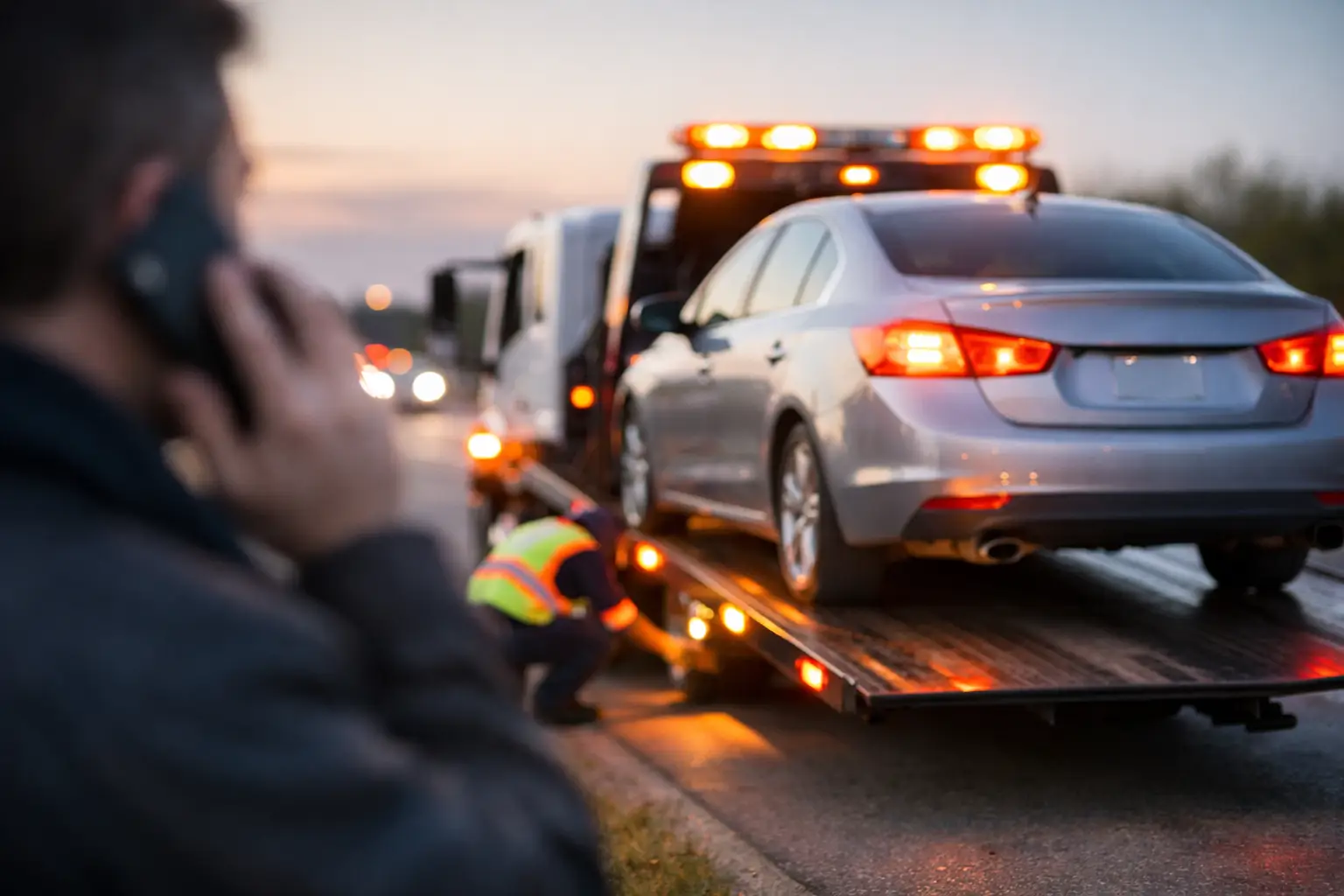
A stalled vehicle can go from inconvenient to dangerous in a matter of minutes. Knowing when to call emergency towing helps you make the right decision fast, especially when you are stuck in traffic, on a dark shoulder, or dealing with a vehicle that is no longer safe to drive.
Some roadside problems can be handled with basic assistance. Others need a tow truck right away. The difference comes down to safety, location, and whether your vehicle can still be moved without causing more damage. If you are unsure, it is usually better to treat the situation seriously and get professional help instead of risking an accident or a more expensive repair.
When to call emergency towing right away
If your car has been in an accident, emergency towing is often the safest next step. Even if the damage looks minor, bent suspension parts, leaking fluids, tire damage, or hidden frame issues can make the vehicle unsafe to drive. A car that still starts is not always a car that should be on the road.
You should also call right away if your vehicle has stopped in a dangerous place. That includes the side of a busy highway, a narrow shoulder, an intersection, a blind curve, a bridge, or any spot where other drivers may not see you in time. In those situations, the real emergency is not just the breakdown. It is your exposure to traffic.
A tow is also the right call if your vehicle will not start and you are stranded somewhere unsafe, especially at night or in bad weather. Heavy rain, fog, ice, or freezing temperatures can turn a simple breakdown into a serious safety problem. Waiting too long to act can leave you and your passengers in a much riskier position.
Another clear sign is fluid leaking under the vehicle. If you see coolant, oil, transmission fluid, or fuel, do not try to drive and hope for the best. Driving with a major leak can damage the engine, create a fire hazard, or leave you completely disabled in traffic.
Situations that feel minor but still need a tow
Not every emergency looks dramatic. Sometimes the vehicle still rolls, the hazard lights work, and nothing appears badly damaged. Even so, there are common situations where driving a little farther is the wrong move.
A flat tire is one example. If you have a safe place to stop, the right tools, and a usable spare, roadside tire help may be enough. But if you are on a busy road, the wheel is damaged, multiple tires are blown, or you drive a truck, trailer, or motorcycle that needs special handling, towing is often the safer choice.
Engine overheating is another one. Many drivers are tempted to let the vehicle cool down and keep going. That can work in some cases, but it depends on why the engine overheated in the first place. If steam is coming from under the hood, the temperature gauge is climbing fast, or the problem keeps returning, a tow can save your engine from major damage.
The same goes for warning lights paired with poor performance. A check engine light by itself does not always mean you need emergency towing. But if it comes with shaking, loss of power, loud noises, smoke, or stalling, you should stop driving. Those symptoms usually mean the problem is no longer minor.
Breakdowns that should not be pushed any farther
One of the biggest mistakes drivers make is trying to limp the vehicle to the next exit, gas station, or repair shop. Sometimes that works. Sometimes it turns a repair into a much bigger bill.
If your steering feels loose, your brakes are weak, the transmission will not shift properly, or the car is making grinding or knocking sounds, do not force it down the road. These issues affect basic control and can fail completely without much warning.
A dead battery is a little different. If the only issue is a battery that needs a jump, roadside assistance may be enough. But if the vehicle keeps dying, will not stay running after a jump, or you suspect alternator or electrical problems, towing may be the better answer. A non-starting vehicle in your driveway is frustrating. A vehicle that shuts off again in traffic is dangerous.
What about running out of gas?
Running out of fuel does not always require a tow. Fuel delivery is often the quickest fix. But it depends on where you are. If you are stopped in an unsafe location or your vehicle has other problems besides an empty tank, it may make more sense to tow it instead of trying a quick roadside solution.
How location changes the decision
Where your vehicle breaks down matters almost as much as what went wrong. The same issue can be manageable in a parking lot and an emergency on the shoulder of a freeway.
If you are blocked into traffic, stuck on a steep roadside, stranded in a construction zone, or stopped somewhere with poor visibility, treat the situation as urgent. The vehicle may be repairable later, but your first priority is getting yourself and your passengers out of danger.
This matters for local drivers in places like Gresham and Troutdale, where commuters deal with fast-moving traffic, wet roads, and limited shoulder space in certain areas. A quick response from a local towing company can make a real difference when standing outside your vehicle is not safe.
If you are with kids, older passengers, or pets
Emergency towing also becomes more urgent when vulnerable passengers are involved. A long roadside wait is harder and riskier when you have small children, seniors, or pets in the vehicle. In hot weather, cold weather, or after dark, getting help moving quickly is part of protecting everyone with you.
What to do before the tow truck arrives
If your vehicle is still movable, get as far off the road as possible. Turn on your hazard lights. If it is safe to do so, stay inside the vehicle with your seat belt on, especially on high-speed roads. Getting out and standing near traffic is often more dangerous than waiting inside.
If you smell fuel, see smoke, or think the vehicle could catch fire, move away from it and keep others back. If there has been a collision or someone may be hurt, call 911 first.
When you call for towing, be ready to explain your location, the type of vehicle, what happened, and whether you are in a safe spot. Details like being on a shoulder, blocking traffic, towing a trailer, or riding a motorcycle help the dispatcher send the right equipment faster.
Choosing the right kind of help
Not every call needs the same service. That is why it helps to think in terms of safe to repair on the spot versus unsafe to move.
If the problem is a simple lockout, a dead battery, or an empty tank and your vehicle is in a safe location, roadside assistance may solve it quickly. If the vehicle has collision damage, mechanical failure, multiple tire issues, or is stranded in a dangerous place, emergency towing is usually the right call.
A good local company will help you sort that out over the phone. You should not have to guess alone while sitting on the side of the road.
Why waiting too long can make things worse
Drivers often delay the call because they hope the problem will pass, they do not want to overreact, or they are worried about cost. That instinct is understandable. But waiting can make the situation more expensive and more dangerous.
Driving on a damaged tire can ruin the wheel. Driving an overheating engine can lead to engine failure. Staying too long on the roadside increases the chance of being hit by another driver, especially in poor visibility or heavy traffic. A fast tow is often the cheaper and safer decision.
For a family-owned company like Tow Guys LLC, that is really the point of emergency service. It is not just about moving a vehicle. It is about getting local drivers out of a bad situation quickly, safely, and with less stress.
If you are ever stuck deciding whether to risk driving a little farther or call for help now, choose the option that protects people first. Cars can be repaired. Your safety on the roadside is the part that cannot wait.
Need a tow in Gresham or East County? Call Tow Guys 24/7 at (971) 222-7994.