
What to Do After Breakdown on the Road
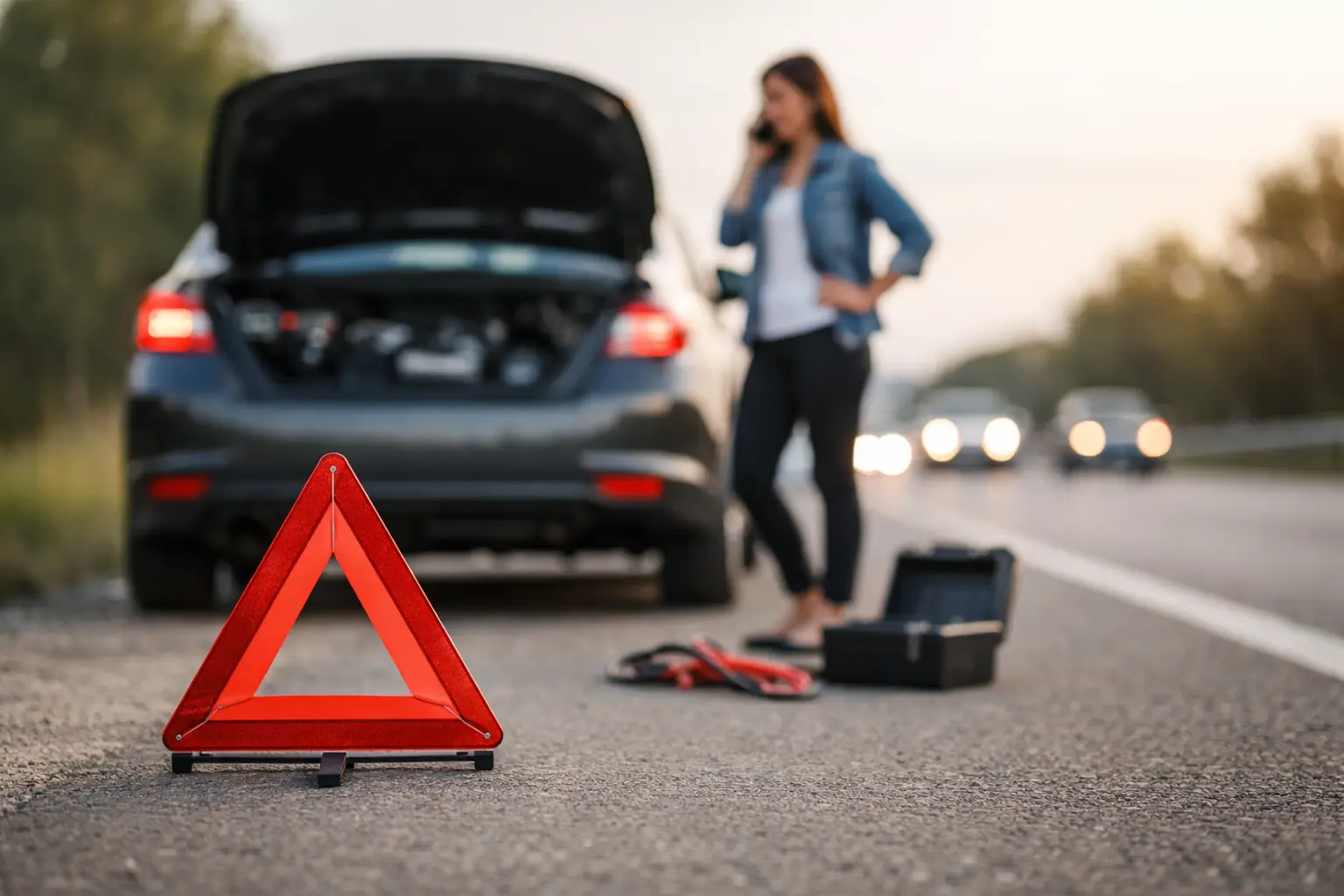
A breakdown rarely gives you a warning at a convenient time. It happens on the way to work, with groceries in the trunk, with kids in the back seat, or late at night when traffic is moving fast. If you are wondering what to do after breakdown trouble starts, the first priority is simple: protect yourself before you worry about the vehicle.
Panic makes people rush into bad decisions. They step into traffic, try to force a car to move farther than it should, or stay in an unsafe spot because they hope the problem will pass. A calmer approach helps. You do not need to diagnose everything on the shoulder. You need to get safe, make yourself visible, and call the right kind of help.
What to Do After Breakdown Starts
The moment your vehicle shows signs of failure, pay attention to how it is behaving. If you can still steer and brake, ease off the road as far as possible. A wide shoulder, parking lot, side street, or other protected area is better than stopping in a live lane. Turn on your hazard lights right away so other drivers know something is wrong.
Once you are stopped, decide whether it is safer to stay in the vehicle or get out. That depends on traffic, weather, visibility, and where the car is sitting. On a busy road or narrow shoulder, staying buckled inside may be safer than standing nearby. If you do exit, use the side away from traffic and move to a secure spot.
If the engine dies completely, do not keep trying to restart it over and over. Sometimes one restart attempt is reasonable. Ten attempts can drain the battery, worsen an electrical issue, or create more confusion about the original problem. If you notice smoke, the smell of fuel, or signs of overheating, shut the vehicle off and keep your distance.
Start With Safety Before Anything Else
A roadside problem is not just a car problem. It is a traffic safety issue. That is why visibility matters so much. Keep your hazard lights on. If you have reflective triangles or road flares and it is safe to place them, they can help alert approaching drivers. At night or in rain, visibility drops fast, and a disabled vehicle can be hard to spot until another driver is too close.
It also helps to think about passengers first. Children, older adults, and pets may need a different plan depending on temperature and road conditions. If it is dangerously hot or cold, waiting for assistance can become uncomfortable quickly. If the vehicle is in a secure location, staying inside with the doors locked may be the best option. If the location feels exposed or unsafe, move everyone to a safer area nearby if possible.
This is also the time to be careful about accepting help from strangers. Many people mean well, and some can genuinely help, but not every situation is straightforward. If someone stops, you can thank them and let them know roadside assistance is already on the way. If you feel uneasy, trust that feeling.
Figure Out What Kind of Help You Need
Not every breakdown needs a tow, but many do. A dead battery, flat tire, empty fuel tank, keys locked inside, or a vehicle that will not start may be handled through roadside assistance. On the other hand, grinding noises, fluid leaks, overheating, transmission trouble, collision damage, or a car that cannot move safely usually call for towing.
This is where honesty helps. Drivers sometimes downplay what happened because they hope for a cheaper or faster fix. That can slow things down. If your car struck debris, started smoking, lost power suddenly, or feels unsafe to drive, say so clearly when you call. The more accurate the information, the better the response.
If you are in or near Gresham or Troutdale, using a local towing and roadside company can make a real difference when time matters. A local operator usually knows the area, common traffic patterns, and how to respond quickly without routing you through a distant call center.
What Information to Have Ready When You Call
A good call saves time. Before you contact roadside assistance or a towing company, take a breath and gather the basics. Your exact location matters most. Look for street signs, mile markers, nearby businesses, landmarks, or GPS details from your phone.
You should also be ready to explain your vehicle type and the problem. Make, model, color, and whether it is a car, truck, motorcycle, or trailer all help the dispatcher send the right equipment. Then describe what happened in plain language. “The engine overheated and shut off” is more useful than “It just stopped working.”
If the vehicle is in a difficult spot, mention that too. A car in a parking lot is different from a vehicle stuck in a narrow shoulder, ditch, apartment garage, or accident scene. The more details you provide, the less likely there will be delays or a mismatch in equipment.
If the Problem Seems Minor, Be Careful
Some roadside issues look small but are not. A flat tire might be manageable if you are in a safe place, have the tools, and know what you are doing. But on a fast roadside or in bad weather, changing it yourself may not be worth the risk. The same goes for jump-starting a battery. If you are unfamiliar with the process, connecting cables incorrectly can cause damage.
There is a difference between being capable and being safe. If you are parked well away from traffic in daylight, you may choose to handle something simple. If you are on a tight shoulder with cars flying by, calling for help is usually the smarter move.
Fuel delivery is another example. Running out of gas feels embarrassing, but it happens more than people think. The important part is not how it happened. The important part is getting the right help without turning a stressful moment into a dangerous one.
After the Tow, Decide on the Next Best Step
Once your vehicle is off the road, the pressure changes. You are no longer dealing with immediate traffic danger, but you still have decisions to make. Should the vehicle go to your home, a repair shop, a dealership, or another secure location? It depends on the problem, the time of day, and whether you already trust a mechanic.
If the issue is obvious and serious, towing directly to a shop may save time. If it is late, the shop is closed, or you are unsure what failed, storing the vehicle somewhere safe first may make more sense. There is no single right answer. The best choice is the one that protects your vehicle and gives you room to think clearly.
This is also a good time to remove valuables, gather your insurance information if needed, and take a few photos of the vehicle. If there was any damage, those photos can help later. If the breakdown followed a minor accident, documentation matters even more.
What to Do After Breakdown Stress Starts to Set In
A breakdown can throw off your whole day. You may be late to work, trying to coordinate rides, or figuring out how to get children home safely. That stress is real, and it is one reason dependable roadside support matters. Quick service is not just about moving a vehicle. It is about helping people regain control of a bad situation.
Try to focus on the next practical step instead of the whole chain of problems at once. First, get safe. Then get help. Then decide where the vehicle should go. Then deal with repairs and schedule changes. Breaking it into steps keeps the situation manageable.
If you use a local company like Tow Guys LLC, you are not just calling for a truck. You are calling for someone who understands that roadside trouble is stressful and that clear communication matters almost as much as the tow itself.
A Few Smart Habits for the Next Time
No one plans to break down, but preparation still helps. Keep your phone charged when possible. Store emergency contact numbers somewhere easy to find. Carry water, a flashlight, and basic safety items in the vehicle. Check your spare tire before you need it, not after. Small habits will not prevent every problem, but they do make a hard day easier.
Paying attention to warning lights, strange noises, and changes in how your vehicle drives can also reduce the odds of a bigger roadside failure. That said, even well-maintained vehicles can break down. Parts fail. Batteries die. Tires blow. What matters most is knowing how to respond without making the situation worse.
When your vehicle stops unexpectedly, you do not need to have every answer right away. You just need a safe plan, clear help, and the confidence to take the next step calmly.
Need a tow in Gresham or East County? Call Tow Guys 24/7 at (971) 222-7994.