
Top Roadside Hazards for Drivers and How to Respond
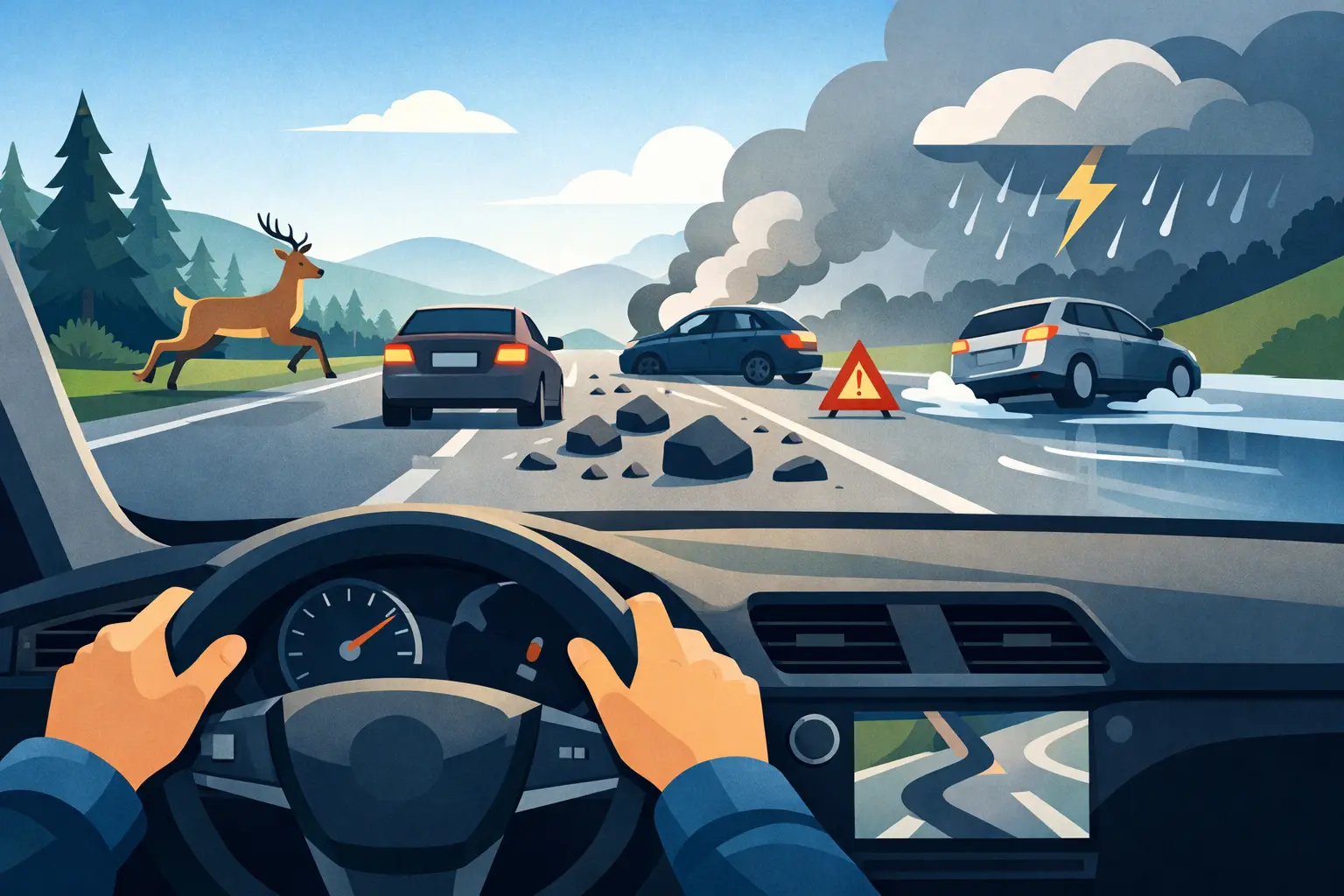
A flat tire on a narrow shoulder, a stalled vehicle after dark, or an unexpected patch of black ice can turn a normal drive into a dangerous situation in seconds. Knowing the top roadside hazards for drivers helps you make calmer decisions when your vehicle cannot keep moving safely. The goal is not to fix every problem on the spot. It is to protect yourself, your passengers, and everyone sharing the road until help arrives.
Top Roadside Hazards for Drivers in Real Conditions
Roadside danger is rarely caused by one thing alone. A breakdown becomes more serious when traffic is fast, visibility is poor, or the shoulder gives you little room to stand. In Gresham, Troutdale, and nearby areas, changing weather, busy commuter routes, rural stretches, and highway traffic can all affect the safest next move.
Fast-moving traffic near a disabled vehicle
Traffic is the biggest concern in many roadside emergencies. Even when your vehicle is fully off the travel lane, passing drivers may not see you soon enough, especially around curves, hills, construction zones, or crowded interchanges.
If possible, guide your vehicle to a wide shoulder, parking area, or side street before it stops completely. Turn on your hazard lights right away. If you can safely exit, use the door away from traffic and move well behind a guardrail or away from the roadway. Do not stand beside the vehicle, lean into the trunk, or attempt a repair near moving traffic.
There are situations where staying inside is safer. If you are stranded on a busy highway, have no safe path away from the vehicle, or traffic is moving close to your doors, keep your seat belt on and remain inside while you arrange roadside assistance.
Low visibility after dark or in bad weather
Rain, fog, darkness, and glare from headlights make an already stressful stop more difficult. Other drivers have less time to react, and you may have trouble judging whether a shoulder is stable or whether traffic is approaching.
Use hazard lights, interior lights only as needed, and any reflective equipment you can deploy without stepping into danger. Reflective triangles or flares can help in some conditions, but only place them if it is clearly safe to do so. No warning device is worth walking along an active lane or shoulder in poor visibility.
In heavy rain, avoid standing near drainage ditches or low spots that may fill quickly. During icy conditions, assume the shoulder may be slick even if the road appears merely wet. A safe-looking step can become a fall, and a stopped vehicle can slide farther than expected.
Flat tires and tire blowouts
A tire problem can range from a slow leak in a parking lot to a sudden blowout at highway speed. The response should match the situation. A slow leak may give you time to reach a safer location. A blowout requires steady control before anything else.
If a tire blows, hold the steering wheel firmly, ease off the accelerator, and avoid slamming on the brakes. Let the vehicle slow gradually, then signal and move toward a safe stopping place. Once stopped, do not assume changing the tire yourself is the best option. The shoulder may be too narrow, the ground may be unstable, or your spare may not be safe to use.
Modern vehicles also create a practical complication: some do not include a spare tire, while others use tire sealant kits that cannot repair every kind of damage. If the sidewall is torn, the wheel is damaged, or traffic is close, professional roadside help is the safer choice.
Dead batteries and non-starting vehicles
A vehicle that will not start may seem like a simple battery issue, but it is not always that straightforward. Corroded connections, alternator failure, a starter problem, a drained key fob battery, or an electrical issue can all leave you stranded.
A jump-start can be useful when the battery is simply discharged and the vehicle is parked safely. It is less wise when you are on a crowded roadside, smell burning, see leaking fluid, notice damaged cables, or are unsure where the battery terminals are located. Incorrect jump-starting can damage vehicle electronics or create a spark risk.
If your vehicle starts after a jump, do not assume the problem is solved. A weak battery or failing charging system may leave you stranded again at the next stop. Drive only as far as you can safely manage and arrange a proper inspection.
Running out of fuel
Fuel gauges can be inaccurate, especially on slopes, in cold weather, or when a vehicle has a known sensor issue. Running out of fuel is not just inconvenient. Stopping unexpectedly in traffic or along a narrow road can put you in a vulnerable position.
When you realize fuel is low, do not try to stretch the last few miles by taking unnecessary risks. Reduce speed smoothly, turn off extra electrical accessories if appropriate, and head for the closest safe fuel stop. If the vehicle runs out, pull over as far as possible, activate hazard lights, and call for fuel delivery rather than walking along the road with a gas can.
Walking to a station may sound faster, but distance, weather, darkness, and road design matter. Along high-speed routes or unfamiliar roads, it can be far more dangerous than waiting in a secure location.
Vehicle overheating, smoke, or fluid leaks
An overheating engine, steam from under the hood, or a strong burning smell calls for caution. Pull over as soon as it is safe, turn off the engine, and let the vehicle cool. Never open a hot radiator cap. Pressurized coolant can cause serious burns.
Smoke or the smell of fuel requires an even more urgent response. Move away from the vehicle once you can do so safely and contact emergency services if there is an active fire, heavy smoke, or a strong fuel leak. Do not restart the vehicle to see if the problem clears up.
Fluid on the pavement can also create a slip hazard. Keep children and pets away from the area, and do not touch an unknown liquid. What looks like water may be coolant, fuel, oil, or brake fluid.
Collisions and unstable vehicles
After a crash, adrenaline can make people move too quickly. Before checking damage or discussing what happened, look for immediate danger. If the vehicle is drivable and moving it will reduce the risk of another collision, pull to a safe location. If it is not safe to move, turn on hazards and remain protected from traffic.
Never crawl underneath a damaged vehicle or attempt to push it out of a lane without enough help and a clear plan. A vehicle with suspension, wheel, or trailer damage may shift unexpectedly. The same is true for cars carrying cargo, motorcycles secured to trailers, or light trucks with an uneven load.
Accident recovery often requires more than a basic tow. A trained operator can assess whether the vehicle needs to be winched, lifted, transported on a flatbed, or handled in a way that avoids further damage.
How to Reduce Roadside Risk Before Trouble Starts
You cannot prevent every breakdown, but a few preparations make a real difference. Keep your phone charged when traveling, and save the contact information for a dependable local roadside provider before you need one. Make sure your spare tire, jack, and tire tools are present if your vehicle uses them. A flashlight, reflective vest, basic first-aid supplies, water, and warm layers are especially useful during Oregon's colder and wetter months.
Routine maintenance matters too. Check tire condition, battery performance, coolant level, wipers, lights, and fuel level before longer trips. If your vehicle begins making a new noise, pulling to one side, overheating, or showing warning lights, address it before it turns into a roadside emergency.
When you call for help, give clear details: your location, vehicle type, direction of travel, the problem you noticed, and whether you are in a safe place. Mention if you have children, pets, a trailer, a motorcycle, or a vehicle that cannot roll normally. That information helps the right equipment arrive prepared.
A roadside emergency does not need to become a larger crisis. Put distance between yourself and traffic, avoid repairs that expose you to danger, and ask for help early. Tow Guys LLC is available around the clock for drivers who need prompt, professional support when the road does not go as planned.
Need a tow in Gresham or East County? Call Tow Guys 24/7 at (971) 222-7994.