
Safe Towing for Lowered Cars Done Right
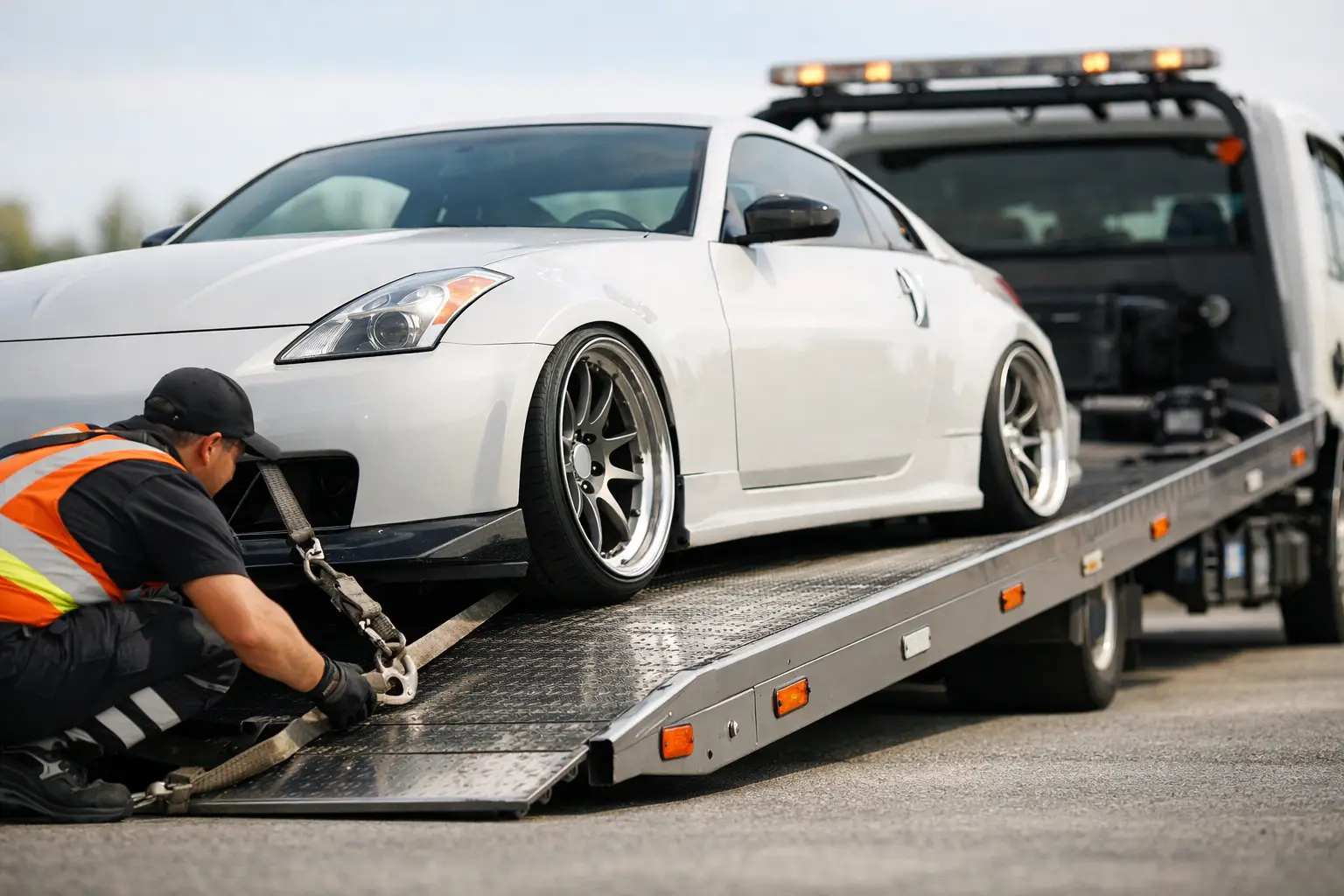
A lowered car can look great parked in the driveway, but when it breaks down, gets a flat, or needs accident recovery, the same low stance creates real towing risks. Safe towing for lowered cars is not just about hooking up and hauling away. It takes the right equipment, the right loading angle, and a driver who knows how to avoid scraping the front bumper, side skirts, underbody, or exhaust.
If you drive a lowered vehicle, this matters most when you are already stressed. Maybe the car will not start. Maybe you are stuck on the shoulder. Maybe you just hit debris and need help fast. In those moments, a rushed tow can turn one problem into two. A careful tow keeps the damage from getting worse.
Why lowered cars need a different towing approach
Lowered vehicles have less ground clearance, smaller approach angles, and less room for mistakes during loading. A standard tow setup that works fine for a stock sedan may scrape badly on a car with an aftermarket suspension, body kit, splitter, or low-profile tires.
The biggest risk usually happens before the car is even fully on the truck. As the vehicle starts climbing the bed, the front end can contact the ramp or the breakover point where the angle changes. If the rear sits especially low, the back bumper or exhaust can also drag. That is why safe towing for lowered cars starts with setup, not speed.
There is also a difference between a slightly lowered daily driver and a very low performance build. Some cars only need extra care and a flatter loading angle. Others need specialty boards, ramp extensions, or a rollback positioned very carefully. It depends on the vehicle and the situation.
The safest towing method for a lowered car
In most cases, a flatbed is the safest option. It keeps all four wheels off the ground and gives the operator better control during loading. For low-clearance cars, this is usually the preferred method because it reduces the chances of bumper contact, underbody scraping, and suspension stress.
That said, having a flatbed alone is not enough. The operator still needs to reduce the loading angle as much as possible. This may involve choosing the flattest position available on the road, using boards or low-angle ramps, and loading slowly while watching clearances closely.
A wheel-lift tow can work in some situations, but it is rarely the first choice for a lowered car. With less clearance under the front or rear, there is more risk around contact points. If the car has drivetrain considerations, very low aero parts, or damage from an accident, a wheel-lift setup may not be the safest call.
What a professional tow operator checks first
Before loading, an experienced driver will look at more than ride height. They will check where the car sits lowest, whether the front lip extends farther than normal, and whether there is visible damage that changes how the vehicle should be moved.
They also pay attention to tire condition, steering lock, transmission status, and whether the car can roll freely. A lowered car with a broken suspension component or a flat tire needs a different plan than one that simply will not start.
If the vehicle has custom parts, that is worth mentioning right away. Coilovers, side skirts, splitters, aftermarket exhaust, and long overhangs all affect loading. Good communication helps the tow go more smoothly and lowers the chance of avoidable damage.
How safe towing for lowered cars prevents damage
The main goal is simple - protect the parts that sit closest to the ground. That means controlling the angle, keeping the pull straight, and avoiding sudden movements.
When the operator loads the car too quickly or from the wrong position, the front fascia often takes the hit first. On some vehicles, the underside is even more vulnerable. Plastic undertrays, intercooler piping, jacking points, and exhaust components can all be damaged if the car bottoms out during loading.
The winching process matters too. A lowered vehicle should be pulled onto the bed smoothly and evenly. Jerky movement can shift the car or cause contact where the angle tightens. Once the car is on the truck, proper securement is just as important. Tie-down points need to be chosen carefully so straps do not crush body panels or stress suspension components.
What drivers should do before the tow truck arrives
If you are waiting for a tow, a few quick steps can help. First, let the dispatcher know the car is lowered. If it has a body kit or sits especially low, say that clearly. That gives the company a better chance to send the right truck and operator from the start.
If it is safe to do so, take a quick look at the car and note any especially low parts or existing damage. You do not need to be technical. Just be ready to point out things like a front lip, low exhaust, broken suspension piece, or flat tire.
When the driver arrives, mention any special instructions you know about the vehicle. Some lowered cars have specific tow hook locations, jack points, or clearance issues that are not obvious at first glance. Even a short heads-up can make a big difference.
Common mistakes that lead to scraping or damage
The most common mistake is assuming every low car can be loaded like a regular car. That is where bumpers get scraped and undercarriages get dragged. A second mistake is rushing because the scene feels urgent. Fast response matters, but careful loading matters just as much.
Another problem is poor positioning. If the truck is parked on a slope, near a curb, or in a spot with uneven pavement, the loading angle can get worse quickly. Sometimes the safest move is taking an extra minute to reposition before loading begins.
There is also the issue of improper securement. Hooks and straps placed without enough care can damage wheels, suspension parts, or bodywork. On a modified vehicle, those risks go up. That is why experience matters more than guesswork.
When accident recovery changes the towing plan
A lowered car involved in a collision needs even more caution. Damage can shift ride height, lock a wheel, crack a bumper mount, or make the underbody unstable. In those cases, the car may sit lower than usual or have parts hanging underneath.
This is where towing becomes less routine and more about controlled recovery. The operator may need to adjust the loading path, use skates or extra support, and avoid putting pressure on already damaged areas. What works for a simple breakdown may not work after an accident.
For drivers in Gresham or nearby Troutdale, that local experience matters. Road shoulders, traffic, rain, and tight urban spaces can all affect how a lowered car is recovered safely. A local team that handles these conditions regularly is often better prepared than a distant dispatch service trying to rush through the job.
Choosing a company that understands lowered vehicles
Not every towing company treats low-clearance vehicles with the same level of care. If you drive a lowered car, it helps to call a team that understands the difference between moving a standard commuter and loading a vehicle with limited clearance.
Look for clear communication, realistic expectations, and a professional attitude. A good operator will not brush off your concerns or act like scraping is unavoidable. They should be able to explain how they plan to load the car safely and what equipment they may need.
That is the kind of approach local drivers want when the car is disabled and the pressure is already high. Tow Guys LLC focuses on quick response, but also on handling vehicles with the care they need in stressful situations. For a lowered car, that extra attention can save you from expensive cosmetic and mechanical damage.
The bottom line on safe towing for lowered cars
A lowered vehicle can absolutely be towed safely, but it should never be treated like a standard-height car. The right truck, the right angle, and an experienced operator make all the difference when clearance is limited.
If your car sits low, speak up when you call, point out the problem areas when help arrives, and choose a towing company that takes the time to do it right. When the situation is already frustrating, careful handling is one less thing to worry about.
Need a tow in Gresham or East County? Call Tow Guys 24/7 at (971) 222-7994.