
Roadside Safety When Your Car Stops Running
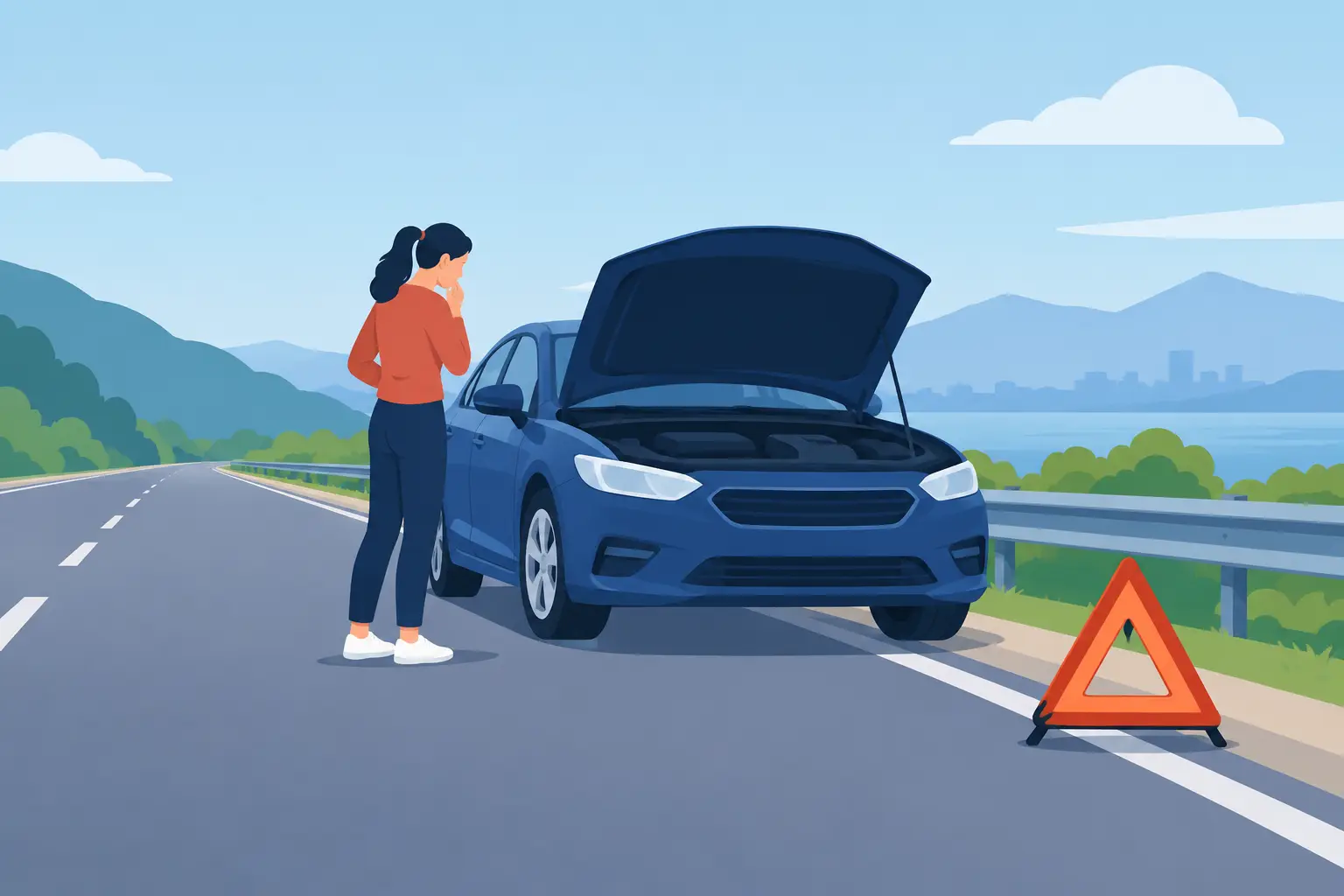
A stalled car can turn a normal drive into a dangerous situation in seconds, especially on a busy road, narrow shoulder, or in bad weather. Roadside safety begins before anyone steps out of the vehicle: protect the people inside, make your vehicle easier to see, and avoid turning a mechanical problem into a traffic emergency.
For drivers in Gresham, Troutdale, and nearby areas, changing weather, dark commutes, and fast-moving traffic can make a breakdown feel even more stressful. You do not need to diagnose the problem from the shoulder. You need a safe plan, clear communication, and qualified help when the vehicle cannot be driven safely.
Roadside Safety Starts With Your Location
The safest place for a disabled vehicle is out of the travel lane. If the car still has enough power to move, signal early, reduce speed gradually, and pull as far from traffic as conditions allow. A parking lot, wide shoulder, side street, or designated pullout is far safer than stopping near the center of a lane.
Do not force the vehicle farther if steering, braking, or engine performance is failing. A tire that has come apart, smoke from under the hood, an overheating warning, or a collision may make driving even a short distance too risky. Turn on your hazard lights, hold the steering wheel steady, and stop where you can avoid creating a greater hazard.
Once stopped, put the vehicle in park and set the parking brake. At night or in poor visibility, turn on interior lights only if they help you locate what you need without creating a distraction. Hazard lights are your first signal to other drivers that something is wrong.
Decide Whether to Stay Inside or Get Out
There is no single rule that fits every breakdown. Staying inside with doors locked and seat belts on is usually the safest choice when you are close to moving traffic, on a narrow shoulder, in heavy rain, or unable to reach a safe area away from vehicles. Your car provides a physical barrier that standing near traffic does not.
Getting out may be safer if the vehicle is smoking, on fire, leaking fuel, stopped in an active lane, or at risk of being struck. If you need to exit, use the door facing away from traffic when possible. Move well away from the road, beyond guardrails if there is a safe path, and stay clear of ditches, unstable shoulders, or blind curves.
Passengers need a simple direction, not a rushed debate. Tell everyone where to wait and remind children to stay close. If pets are with you, keep them secured. A scared dog running into traffic can turn an already difficult roadside call into a serious emergency.
Be Careful on High-Speed Roads
Freeways and high-speed highways require extra caution. Passing drivers may not see a stopped vehicle until the last moment, particularly in rain, fog, darkness, or glare. Do not stand behind your vehicle, between vehicles, or next to the traffic-facing side while waiting for assistance.
If your vehicle is safely off the roadway, remain in the protected area rather than walking along the shoulder to find help. If the vehicle is disabled in a travel lane and you cannot move it, call emergency services. Your personal safety takes priority over protecting the vehicle from damage.
Make Your Vehicle Visible Without Taking Risks
Hazard lights should stay on while the vehicle is disabled. If you carry reflective triangles, flares, or a high-visibility vest, use them only when it is safe to do so. They can give approaching drivers more warning, but walking behind a vehicle on a narrow shoulder is not always worth the risk.
At night, reflective gear is especially useful if you must leave the vehicle. Keep a flashlight in the car, preferably one with fresh batteries or a rechargeable model checked regularly. Your phone flashlight can help in a pinch, but preserve battery power for calls, location sharing, and updates from the towing provider.
Do not assume other drivers can see you just because your hazards are flashing. Rain and road spray reduce visibility, and distracted drivers may react late. The goal is to give traffic as much notice as possible while keeping yourself out of its path.
Call for the Right Kind of Help
When you call for roadside assistance or a tow, give the dispatcher clear details: your location, the direction you are traveling, the nearest cross street or landmark, the type of vehicle, and what happened. Mention whether you are in a safe parking area, on a shoulder, or blocking a lane. If there has been a crash, smoke, injuries, or a possible fuel leak, say so immediately.
A reliable local company can send the appropriate equipment for a car, truck, motorcycle, or trailer and can prepare the operator for the conditions at the scene. Tow Guys LLC provides around-the-clock roadside help and towing for drivers who need a calm, professional response rather than guesswork at the side of the road.
It may be tempting to accept help from an unknown person who stops, especially when the vehicle will not start or you are low on fuel. Use judgment. You can politely decline assistance and wait for the provider you contacted. If someone claims to be your tow operator, ask for identification and confirm the vehicle description through your dispatch contact before handing over keys or personal information.
Know When Emergency Services Come First
Call 911 before roadside assistance when there are injuries, fire, an active fuel leak, downed power lines, an immediate threat from traffic, or a vehicle blocking a dangerous roadway. Emergency responders can secure the scene and direct traffic when needed. Once the scene is safe, a towing professional can handle vehicle recovery or transport.
After a collision, take photos and exchange information only if it is safe to do so. Do not stand in traffic to collect debris, inspect damage, or argue about fault. Insurance questions and repair decisions can wait. Your position relative to moving vehicles cannot.
Avoid Common Roadside Mistakes
Many roadside injuries happen after the vehicle has already stopped. Drivers step out to inspect a flat tire, open the hood near traffic, or stand behind the car while waiting for a friend. Those actions may feel productive, but they can put you in a driver's blind spot.
Avoid crawling under a vehicle on the roadside, even if you think the issue is simple. Do not attempt a repair near moving traffic, and do not rely on a small factory jack on uneven, wet, or soft ground. A spare tire is helpful, but a tire change is not automatically the best choice when traffic is close, visibility is poor, or you do not feel comfortable doing it safely.
Fuel delivery is another situation where patience matters. If you have run out of gas, do not walk along a busy road with a fuel container unless there is no safer option. Calling for fuel delivery keeps you away from traffic and reduces the chance of a spill or unsafe roadside crossing.
Prepare Before the Next Breakdown
A few practical items can make an unexpected stop less stressful: a charged phone and car charger, flashlight, reflective vest, basic first-aid kit, drinking water, warm layer, and current insurance and registration information. Keep these items where you can reach them without unloading the trunk onto the roadside.
Routine maintenance also supports safer driving. Check tire condition and pressure, monitor dashboard warnings, keep enough fuel for your route, and address recurring starting problems before they leave you stranded. Preparation does not prevent every breakdown, but it gives you more options when one happens.
If your vehicle stops, slow down your decisions before you speed up your response. Get as safe as conditions allow, make yourself visible, and wait for trained help instead of taking chances beside moving traffic.
Need a tow in Gresham or East County? Call Tow Guys 24/7 at (971) 222-7994.