
Reliable Roadside Help When Your Car Won’t Move
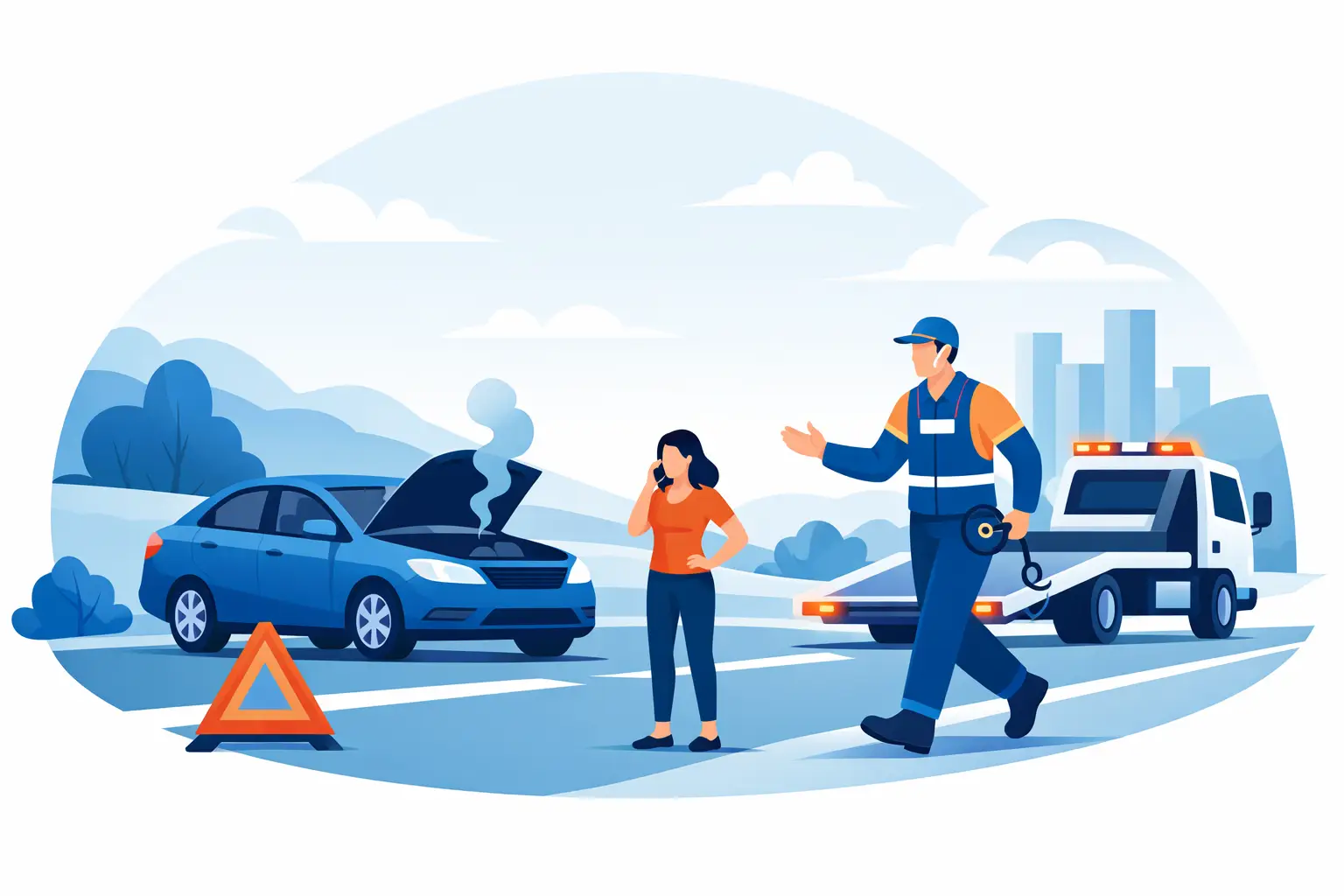
A stalled car on a busy road can turn an ordinary commute into a stressful moment fast. Whether the engine will not start in your driveway, you run out of fuel after work, or a warning light appears miles from home, reliable roadside help gives you a clear next step: get safe, get seen, and get the right help on the way.
The goal is not just to move a vehicle. It is to protect you, your passengers, and everyone sharing the road while the problem is handled professionally. For drivers in Gresham and Troutdale, a local response can make a difficult situation feel far more manageable.
What Reliable Roadside Help Should Include
Reliability starts before the tow truck arrives. When you call for help, you should be able to explain where you are, what vehicle you drive, and what happened without being passed through a confusing chain of dispatchers. A good local provider listens, gives practical direction, and sends the appropriate truck or roadside technician for the job.
Speed matters, but clear communication matters too. Traffic, weather, and an exact vehicle location can affect arrival time. A professional company should set realistic expectations rather than make vague promises. If the situation changes, such as a road closure or an unsafe shoulder, the driver should know how to reach you and adjust the plan.
The right equipment is another part of dependable service. A motorcycle, a family SUV, a light truck, and a trailer do not all need the same handling. Proper loading and secure transport help prevent added damage after an already frustrating breakdown or accident.
Put Safety First While You Wait
If your vehicle loses power or develops a problem while moving, guide it as far from traffic as you safely can. Turn on your hazard lights immediately. A parking lot, wide shoulder, or side street is much safer than stopping in an active lane, but do not force the vehicle farther if steering, braking, or visibility is compromised.
Once stopped, assess the area before stepping outside. On a high-speed road, narrow shoulder, blind curve, or in heavy traffic, staying buckled inside the vehicle may be safer than standing near passing cars. If you can exit safely, move well away from traffic and do not stand between your vehicle and oncoming cars.
At night, during rain, or in poor visibility, make the vehicle as noticeable as possible. Keep hazard lights on, use interior lights only if they help without draining a weak battery, and avoid attempting repairs where drivers may not see you. If there is a crash, injuries, fire, leaking fuel, or an immediate traffic hazard, call emergency services first. Towing and roadside assistance should follow once the scene is safe.
Know What Information to Give the Dispatcher
A few accurate details help reliable roadside help reach you faster and arrive prepared. Start with your location. An address is ideal, but a cross street, highway direction, mile marker, nearby business, or distinctive landmark can also help. If your phone map shows a dropped pin, use it to confirm where you are, but check that it reflects your actual position.
Then describe the vehicle and problem in simple terms. Share the year, make, model, color, and license plate if requested. Let the dispatcher know whether the car is in a garage, a parking structure, a ditch, a busy lane, or a location with limited access. Mention if it is all-wheel drive, lowered, loaded with cargo, attached to a trailer, or unable to roll. Those details can determine which truck is needed.
You do not need to diagnose the mechanical issue yourself. Saying, “It clicks but will not start,” “I have a flat tire but no usable spare,” or “The vehicle was in an accident and the wheel is bent” is enough to guide the response. Honest details prevent delays and help keep the recovery safe.
When Roadside Service Is Enough and When You Need a Tow
Some problems can be resolved where the vehicle sits. Fuel delivery may get a driver who misjudged the distance to the next station back on the road. A dead battery can sometimes be addressed with a jump-start, provided there are no signs of battery damage or another electrical issue. A lockout situation may be solved without transport if it can be done safely and without damaging the vehicle.
A tow is the better choice when continuing to drive could cause damage or create a safety risk. Overheating, severe engine trouble, a damaged tire without a safe spare, steering or brake concerns, collision damage, and a vehicle that will not start after basic checks are common reasons to transport it. The same applies when a warning light is flashing, fluids are leaking, or the vehicle is stuck in mud, a ditch, or an awkward position.
There is a trade-off worth considering. A quick roadside fix may feel less disruptive, but it should not be used to get a vehicle moving when the underlying issue is unsafe. An experienced technician can help you make that call based on what they see. Getting to a trusted repair shop safely is often less expensive than turning a minor mechanical problem into major damage.
Reliable Roadside Help for More Than Passenger Cars
Not every roadside problem involves a standard sedan. Trucks, motorcycles, trailers, and vehicles carrying equipment require careful handling and a towing approach that fits their weight, condition, and location. A motorcycle needs secure, purpose-appropriate transport. A trailer may need separate attention if it is disabled, loaded, or blocking access. A light truck with a mechanical failure may require different equipment than a compact car.
Accident recovery also calls for more than a fast pickup. The vehicle may have damaged wheels, deployed airbags, broken glass, or parts dragging on the road. The recovery process should focus on safely clearing the scene, protecting the vehicle during loading, and transporting it where you need it to go. That care matters when you are dealing with insurance calls, repairs, and the inconvenience that follows a crash.
Tow Guys LLC approaches these situations as a family-owned local operation, not a distant call center. That means treating a stranded driver like a neighbor who needs a straightforward answer and professional assistance now.
How to Choose Help When You Are Under Pressure
A breakdown is not the time to compare every option for an hour. Still, a few signs can help you choose wisely. Look for a company that clearly provides the service you need, responds directly, and can explain what will happen next. Ask whether they can handle your vehicle type and whether they are able to tow to your preferred destination.
Be cautious about anyone who cannot identify the business, avoids basic service questions, or pressures you to accept a destination you did not choose. Your situation may be urgent, but you still deserve respectful communication and careful vehicle handling. If you are calling for someone else, stay on the line long enough to confirm their exact location and whether they are safe.
A Small Amount of Preparation Helps
Keeping your phone charged, your registration accessible, and a basic emergency kit in the vehicle can reduce stress when something goes wrong. A flashlight, warm layer, water, and reflective item are especially useful during Oregon's darker, wetter months. For families, it also helps to make sure new drivers know who to call and why they should never accept roadside assistance from an unidentified person.
Mechanical problems do not wait for a convenient time. When your vehicle stops, focus on the next safe decision instead of trying to solve everything at once. Reliable roadside help is there to turn a roadside emergency into a safe trip home, a proper repair visit, and a little more peace of mind.
Need a tow in Gresham or East County? Call Tow Guys 24/7 at (971) 222-7994.