
Non Starting Vehicle Towing: What to Do First
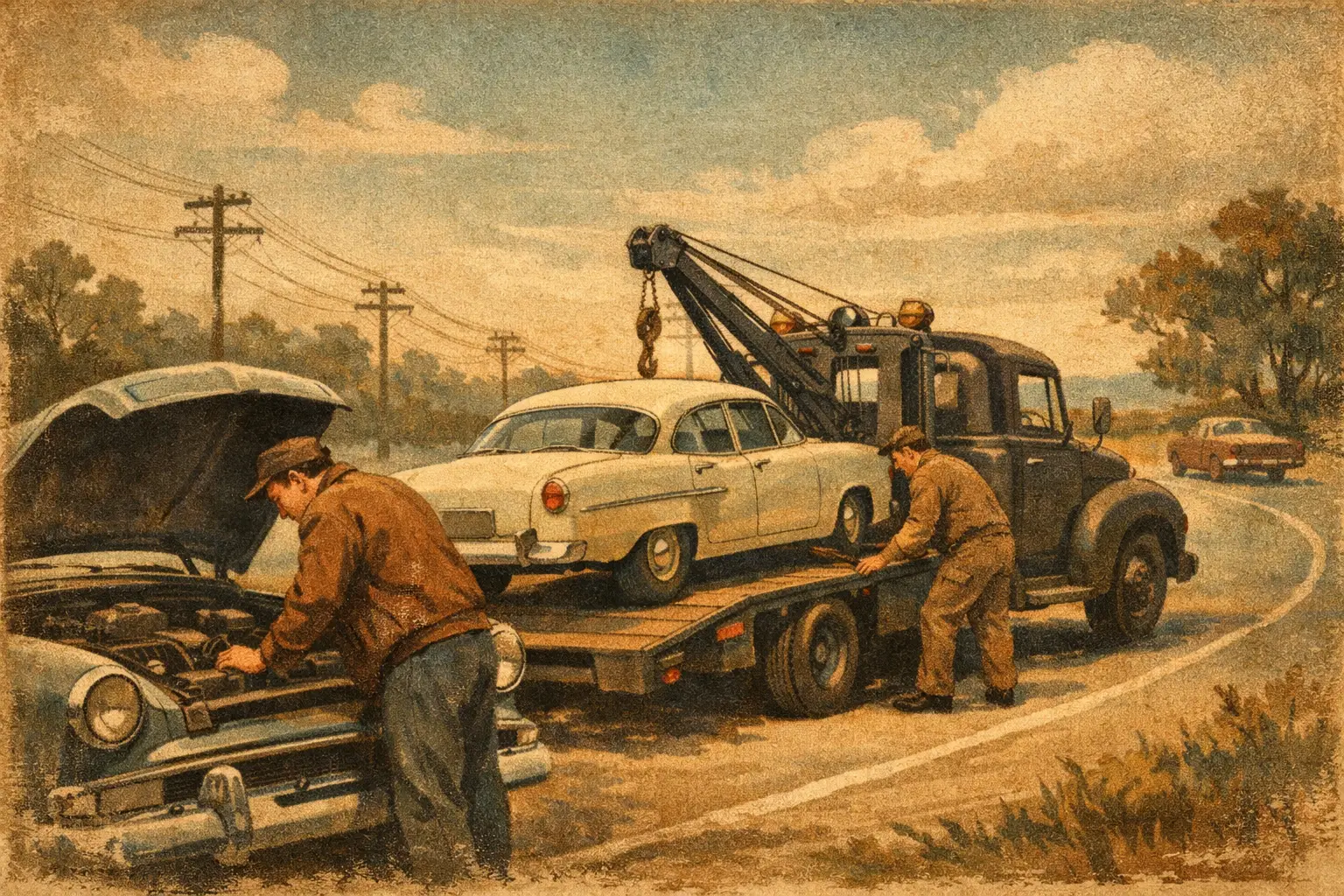
A car that will not start can turn an ordinary commute, school pickup, or trip home into a stressful standstill. Non starting vehicle towing gives you a safe way to move the vehicle when a quick roadside fix is not possible, without risking damage to your car or putting yourself in a dangerous position.
The right next step depends on where the vehicle is parked, what happened before it failed to start, and whether the issue may be something simple, such as a dead battery. If you are on a busy road, in an unsafe parking area, or unsure what is wrong, focus on getting yourself and your passengers to safety first. A professional tow can take it from there.
Start With Safety, Not Troubleshooting
If your vehicle dies in traffic or will not restart after you pull over, turn on your hazard lights immediately. Move as far from moving traffic as you safely can. If you cannot move the vehicle, stay alert to traffic around you and avoid standing between your car and the road.
On a highway shoulder, at night, or during poor weather, it is usually better not to spend time trying multiple repairs. Opening the hood near traffic, walking along the shoulder, or repeatedly attempting to start the engine can create more risk than it solves. Call for help and give the dispatcher your exact location, vehicle type, and any details that could affect loading.
A non-starting vehicle in a driveway or parking lot may feel less urgent, but it still deserves a careful approach. Make sure the vehicle is in park, set the parking brake when possible, and keep children and pets clear while help is on the way.
When Non Starting Vehicle Towing Is the Best Choice
Some no-start problems can be resolved with roadside assistance. A weak battery, loose battery connection, empty fuel tank, or a key fob battery issue may have a straightforward solution. But towing is often the better choice when the vehicle needs diagnosis or repair that cannot be safely completed where it sits.
Towing is a smart call when the engine cranks but will not fire, the dashboard shows serious warning lights, the vehicle has overheated, there is smoke or a burning smell, or you suspect a mechanical failure. It is also appropriate after an accident, even if the damage looks minor. A vehicle can have hidden damage to its steering, suspension, cooling system, or electrical components that makes driving unsafe.
Do not try to force a vehicle to run by repeatedly turning the key or pressing the start button. Continuous starting attempts can drain the battery, flood some engines, or worsen an underlying electrical problem. One or two normal attempts are enough. After that, protect the vehicle and arrange service.
A jump-start is not always the answer
A jump-start can help if the battery is simply discharged, but it will not fix every electrical issue. If the vehicle starts after a jump and immediately stalls, if the battery warning light stays on, or if the cables become hot or you notice corrosion and leaking, a tow may be safer than another attempt.
Modern vehicles also have sensitive electronics. Incorrect jump-starting can damage components, especially when cables are attached improperly. When you are not certain of the cause, asking a roadside professional to assess the situation can prevent a small problem from becoming a more expensive repair.
Tell the Tow Operator What the Vehicle Can and Cannot Do
A tow company can prepare for the job more efficiently when it has clear information before arrival. Let the dispatcher know the make, model, and approximate year of the vehicle. Mention whether it is a car, light truck, motorcycle, trailer, or another type of vehicle.
It also helps to explain whether the vehicle can roll, steer, shift into neutral, or release the parking brake. These details matter because a vehicle that cannot be put in neutral or has locked wheels may require different equipment or loading methods. The same is true for vehicles parked in tight garages, underground lots, narrow driveways, or areas with low clearance.
If you know what happened before the no-start condition, share that too. Maybe the vehicle lost power while driving, made a clicking sound, overheated, or was involved in a collision. You do not need to diagnose the issue. A simple description helps the tow operator choose the safest approach.
Why Proper Loading Matters for a Non-Running Vehicle
A vehicle that does not start is not always easy to move. Power steering and power brakes may not work with the engine off. Electronic shifters can remain locked. All-wheel-drive, four-wheel-drive, low-clearance, and electric vehicles may have manufacturer-specific towing requirements.
That is why improvised towing is risky. Pulling a disabled vehicle with a rope, chain, or another personal vehicle can cause a crash, damage the transmission or drivetrain, and leave both drivers exposed to traffic. It can also create legal and insurance problems if something goes wrong.
A professional operator evaluates the vehicle's condition, access point, wheel position, and drivetrain before loading. Depending on the situation, a flatbed may be the safest option because it keeps the vehicle fully off the road during transport. The goal is not simply to get the car moving. It is to transport it without adding damage or creating another emergency.
Choose the Right Destination Before the Truck Arrives
When your vehicle will not start, you generally have three practical destinations: a trusted repair shop, a dealership, or your home. The best choice depends on the time of day, the likely problem, and whether the shop can accept the vehicle.
If it is during business hours and you have a repair shop you trust, direct transport there can save time. Call the shop first if possible, especially if you need to leave keys after hours or if the vehicle requires special diagnosis. Dealership service departments can be useful for warranty work, recalls, or make-specific electrical issues, though they may have limited after-hours access.
Taking the vehicle home can make sense when repair facilities are closed, you need time to decide, or the vehicle is safely accessible at your residence. Just make sure there is room for the tow operator to place it without blocking traffic, access, or another vehicle.
What to Do While You Wait
Once help is arranged, gather the essentials: your driver's license, insurance information, vehicle registration if available, and the key or key fob. Remove valuable items from the vehicle if it will be left at a repair facility. If you have a preferred shop, write down the address so there is no confusion during a stressful moment.
Keep your phone charged and listen for calls from the driver. If your location is difficult to find, use a nearby business name, cross streets, mile marker, or parking-lot entrance to guide the truck. In Gresham and Troutdale, changing road conditions, traffic, and location details can affect access, so accurate information helps the response go more smoothly.
If the vehicle is in an unsafe place, do not wait inside it unless remaining there is clearly safer than getting out. Use your judgment based on traffic, weather, and the surroundings. The priority is always people first, vehicle second.
Local Help When the Vehicle Will Not Move
A non-start condition does not have to leave you stranded or guessing about what to do next. Tow Guys LLC provides around-the-clock towing and roadside help for drivers who need a calm, professional response when their car, truck, motorcycle, or trailer cannot continue.
Whether the issue turns out to be a dead battery, fuel problem, electrical fault, collision damage, or something that needs a mechanic's attention, the safest move is often the simplest one: get the vehicle transported properly and give yourself room to handle the repair without roadside pressure.
When your vehicle will not start, trust the warning signs, avoid risky do-it-yourself towing, and choose help that treats your situation with the urgency and care it deserves.
Need a tow in Gresham or East County? Call Tow Guys 24/7 at (971) 222-7994.