
How to Tow All Wheel Drive Safely
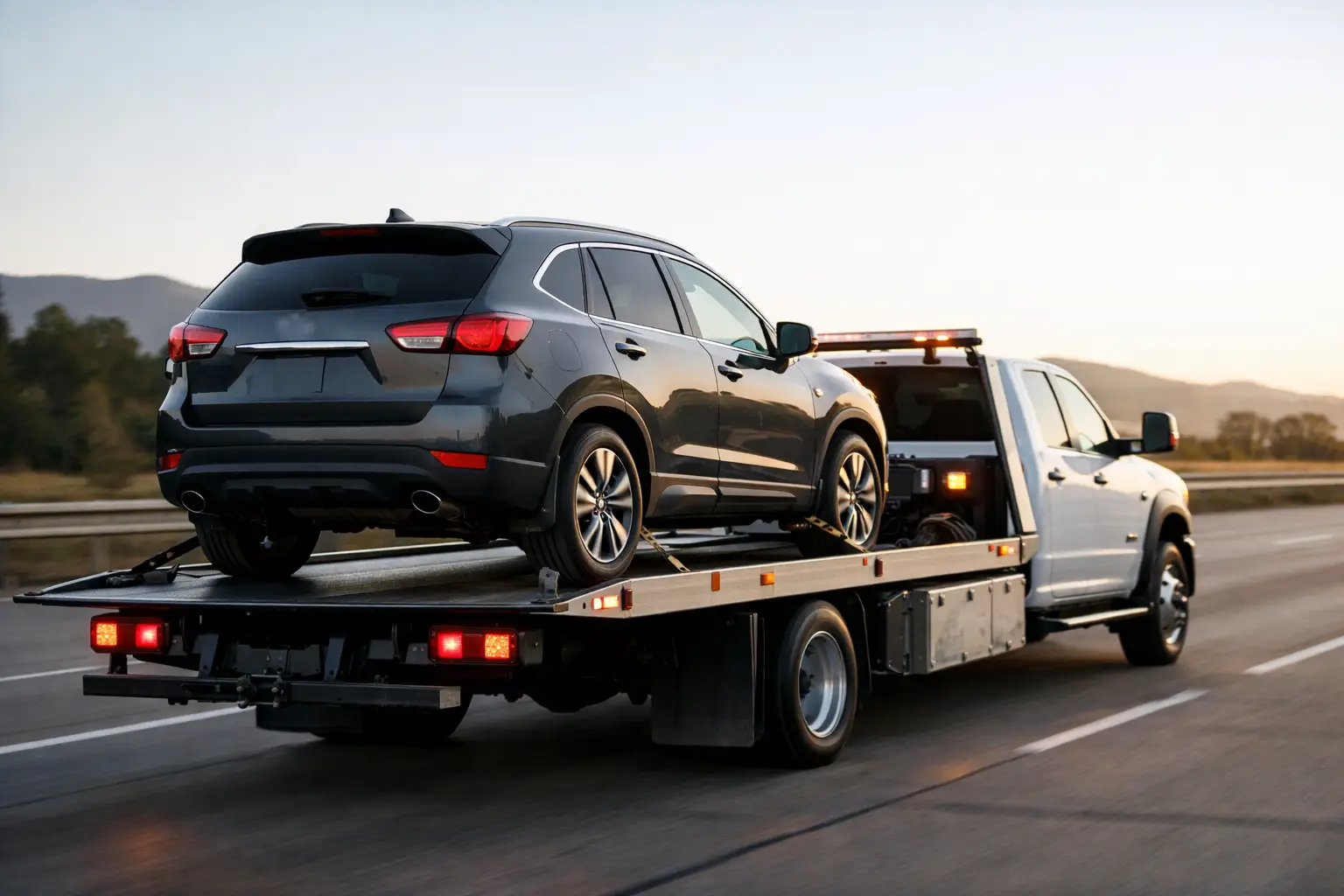
A lot of expensive damage happens before a tow truck even leaves the scene. If you are searching for how to tow all wheel drive vehicles, the short answer is simple - AWD vehicles usually need a flatbed. The longer answer matters, because using the wrong towing method can put serious strain on the drivetrain, transmission, transfer case, and differential.
When a vehicle breaks down, gets stuck, or will not start, most drivers are thinking about getting off the road fast. That makes sense. Safety comes first. But with all wheel drive, the way the vehicle is moved matters just as much as how quickly it is recovered.
Why towing all wheel drive is different
All wheel drive systems send power to all four wheels, either full time or as needed. That setup helps with traction in rain, gravel, and slick roads, but it also means the wheels and drivetrain are more connected than they are on many two wheel drive vehicles.
If one set of wheels rolls while the others stay planted, the system can read that as a loss of traction or create internal speed differences the drivetrain was not meant to handle during towing. On some vehicles, even a short tow done the wrong way can lead to mechanical damage. On others, there may be limited exceptions, but those depend on the exact make, model, and manufacturer instructions.
That is why the safest default answer to how to tow all wheel drive is this: keep all four wheels off the ground unless the manufacturer clearly says otherwise.
The safest way to tow all wheel drive
A flatbed tow truck is almost always the right choice for an AWD vehicle. With a flatbed, the entire vehicle is loaded onto the truck, so none of the wheels are turning while the vehicle is being transported.
This method protects the drivetrain and removes the guesswork. It is also the best option when the vehicle has accident damage, a locked wheel, steering problems, or a no-start condition where the transmission cannot be shifted normally.
For most drivers, this is not the time to experiment with dollies, chains, or improvised recovery methods. If you are dealing with a breakdown in Gresham or nearby, asking specifically for flatbed service is the smart move.
Why wheel-lift towing is risky for AWD
Wheel-lift towing raises one end of the vehicle while the other two wheels stay on the road. That can work for many front wheel drive or rear wheel drive vehicles in the right situation. It is often not the right fit for all wheel drive.
The problem is that the wheels left on the ground continue spinning. Depending on the vehicle, that movement can transfer through the drivetrain and create wear or damage. Some AWD systems are especially sensitive, and the repair bill can be far worse than the tow bill you were trying to save.
There are rare cases where a manufacturer allows limited wheel-lift towing with special steps, such as using dollies under the remaining wheels. Even then, it has to be done correctly. If there is any doubt, flatbed towing is the safer answer.
How to tow all wheel drive without causing damage
If you are waiting on a tow and want to protect your vehicle, a few steps can make a real difference.
First, check the owner's manual if you can do it safely. The towing section will usually spell out whether the vehicle can be towed with wheels on the ground, whether dollies are permitted, and whether there are special procedures for neutral, tow mode, or battery power.
Second, tell the towing company the vehicle is all wheel drive when you call. Do not assume the dispatcher or driver will know from the badge alone, especially if the model came in multiple drivetrain versions.
Third, mention any added complications right away. If the car is stuck in park, has collision damage, has a flat tire, or is sitting in a garage or tight spot, that affects the equipment needed.
Fourth, avoid letting anyone simply hook and pull the vehicle unless they have confirmed the correct method. In a stressful moment, people often focus on speed. A professional tow operator should focus on both speed and the right equipment.
Common towing mistakes with AWD vehicles
The biggest mistake is assuming all vehicles can be towed the same way. They cannot. An AWD crossover, SUV, sedan, or truck may look easy to move, but the drivetrain setup changes the towing rules.
Another common mistake is confusing all wheel drive with four wheel drive. While the terms are sometimes used casually, the towing requirements can be different depending on the system. Some true 4WD vehicles with a transfer case and a proper neutral position may allow more towing options. Many AWD vehicles do not.
A third mistake is trying to move the vehicle yourself with a rope, chain, or borrowed dolly. Even if the distance is short, that does not make it safe. Short pulls can still cause drivetrain stress, especially if the wheels are forced to rotate unevenly.
The last mistake is ignoring manufacturer instructions because the vehicle "seems fine." Damage does not always show up immediately. A bad tow can lead to problems that appear later as noise, binding, warning lights, or drivetrain failure.
Does every AWD vehicle require a flatbed?
Not every single one in every situation, but most should be treated that way unless the owner's manual says something more specific. Some manufacturers allow very limited emergency movement, usually for a short distance and low speed, or only with dollies under the free-rolling wheels.
That is the trade-off. There are technical exceptions, but they are vehicle-specific and easy to get wrong. For the average driver dealing with a roadside problem, the safest and simplest answer is still a flatbed.
If you are reading this because your vehicle is stranded now, this is not the moment to test an exception. It is the moment to protect the vehicle and get it moved the right way.
What to tell a tow company
When you call for help, a clear description saves time and reduces the chance of the wrong truck showing up. Say that the vehicle is all wheel drive, give the year, make, and model, and explain whether it starts, rolls, steers, or has any accident damage.
If the vehicle is in an apartment garage, on a narrow shoulder, or stuck in mud or snow, say that too. Recovery and towing are not always the same job. The more accurate the information, the faster the right equipment can be dispatched.
This is where working with an experienced local company matters. A professional operator should know that how to tow all wheel drive vehicles safely starts with asking the right questions before arrival, not after the vehicle is already hooked up.
What to do while you wait for the tow
If you are on the roadside, move to a safe place if possible and turn on your hazard lights. If the vehicle cannot be moved, stay clear of traffic and wait somewhere safer nearby if conditions allow.
Do not keep trying to drive an AWD vehicle that is making grinding noises, has drivetrain warning lights, or was involved in a collision. Continuing to move it under its own power can make the situation worse.
It also helps to have your key ready and know whether the electronic parking brake is engaged. Some newer vehicles make loading more complicated if the battery is dead or the brake will not release. A skilled tow operator can still handle it, but knowing that detail ahead of time helps.
The bottom line on how to tow all wheel drive
All wheel drive gives you better traction in a lot of real-world conditions, but it also leaves less room for towing mistakes. In most cases, the safest option is a flatbed tow with all four wheels off the ground. That protects the drivetrain, avoids preventable damage, and gives you one less thing to worry about during an already stressful day.
If your AWD vehicle is stranded, the goal is not just to move it. The goal is to move it without turning a breakdown into a repair bill that never should have happened in the first place.
Need a tow in Gresham or East County? Call Tow Guys 24/7 at (971) 222-7994.