
How to Tow a Motorcycle Safely
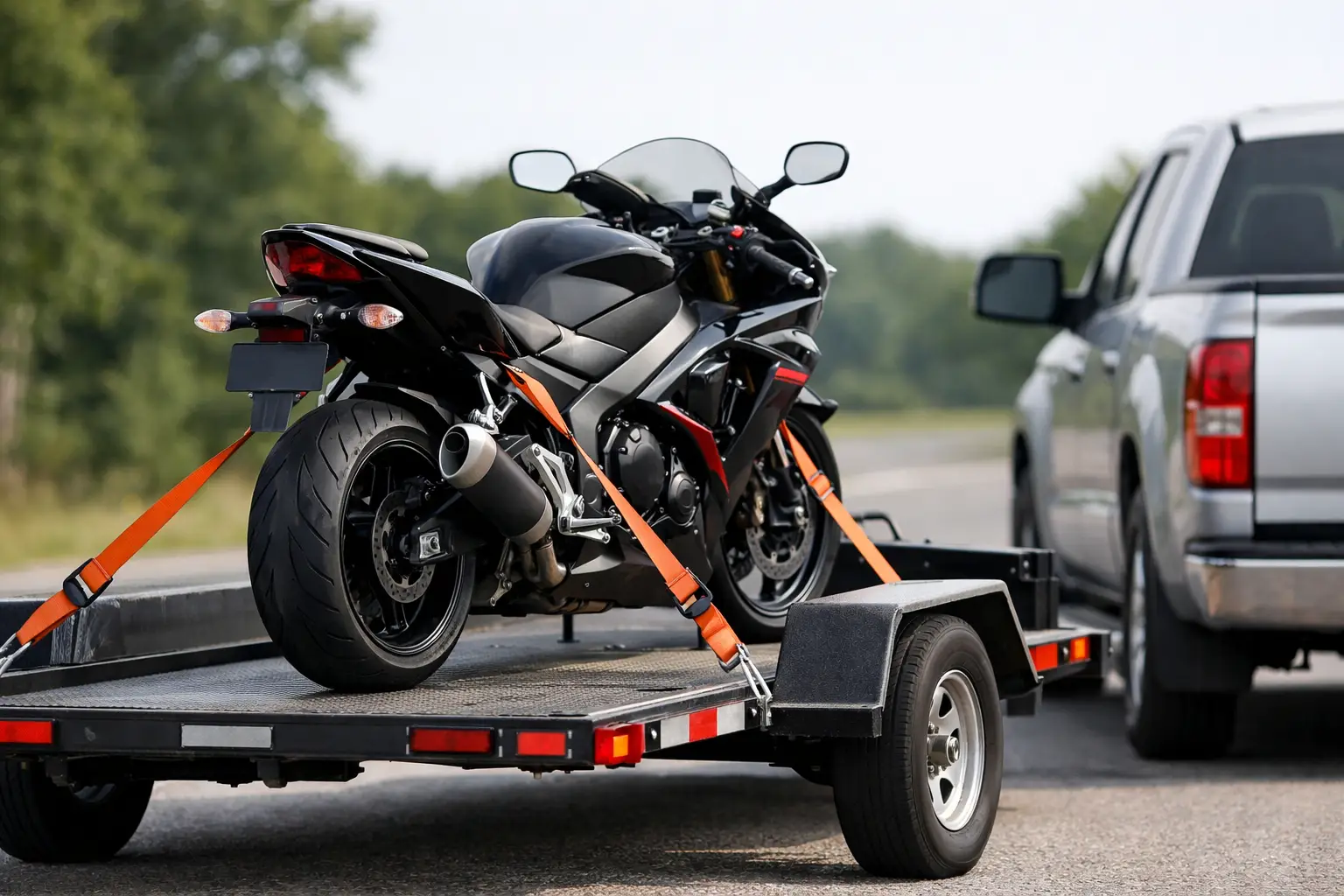
A motorcycle can go from reliable to stranded fast, and when it does, one wrong towing decision can turn a breakdown into expensive damage. If you are searching for how to tow a motorcycle safely, the first thing to know is simple - motorcycles should never be treated like cars. The way they are loaded, secured, and transported matters every step of the way.
For most riders, the safest answer is professional motorcycle towing. Bikes are lighter than cars, but they are also easier to tip, scrape, or stress in the wrong places. A loose strap, a bad angle, or the wrong attachment point can damage the suspension, fairings, handlebars, or frame before you even get a mile down the road.
When towing a motorcycle is actually safe
Towing a motorcycle is safe when the bike is fully off the ground or secured with equipment designed for motorcycle transport. In real terms, that usually means a flatbed truck, a motorcycle trailer, or a purpose-built motorcycle carrier. These methods keep the bike stable and reduce the risk of sway, tire drag, and balance issues.
What is not safe is improvising with rope, trying to pull the bike behind another vehicle with the motorcycle rolling on its own tires, or guessing where straps should go. Those shortcuts can create serious hazards for you and everyone else on the road.
There is also an it depends factor here. A lightweight dirt bike on a proper trailer is different from a heavy touring motorcycle after a crash. If the bike has visible damage, leaking fluids, bent wheels, or steering problems, it needs extra care during recovery and transport. In those cases, professional towing is usually the smart move.
The best ways to tow a motorcycle safely
If you need to move a bike, the method matters as much as the straps.
A flatbed is typically the safest option. It gives the operator full control during loading, allows the motorcycle to be secured upright, and keeps all wheels supported. This is often the best choice after an accident, a mechanical failure, or any roadside situation where the motorcycle may already be unstable.
A motorcycle trailer is also a solid option when it has a front wheel chock and proper tie-down points. The chock helps hold the wheel straight while straps keep the bike planted. Without that extra support, the bike can shift more than people expect.
A hitch-mounted motorcycle carrier can work for smaller bikes, but only if it is rated for the motorcycle’s weight and installed correctly. This option is less forgiving. If the carrier, hitch, or vehicle is undersized, you can create a dangerous load problem fast.
How to tow a motorcycle safely with the right equipment
Good equipment is not optional. You need quality ratchet straps or cam buckle straps rated for the load, soft loops to protect contact points, and a stable loading surface such as a ramp with enough width and grip. A wheel chock is highly recommended because it makes securing the motorcycle much more controlled.
Check every strap before use. Fraying, cuts, bent hooks, and weak ratchets are all red flags. It only takes one failed strap to let a motorcycle lean too far, and once that movement starts, the rest of the setup can fail quickly.
You also want attachment points on the trailer or bed that are strong and positioned correctly. Straps should pull the motorcycle slightly forward and outward, not straight down from awkward angles. That tension helps keep the bike upright and reduces side-to-side movement.
Loading the motorcycle without causing more trouble
Before loading, inspect the motorcycle and the transport setup. Make sure the trailer or carrier is level, the ramp is secure, and the parking brake on the tow vehicle is set. If the ground is uneven or soft, be extra careful. A simple wobble at the bottom of the ramp can lead to a dropped bike.
If possible, use two people. One person guides and balances the bike while the other helps control the push or watches alignment. Riding the motorcycle up a ramp is risky, especially if the bike has a mechanical issue or you are already dealing with stress on the roadside.
Once the front wheel is in the chock or final position, keep the bike upright and start securing the front first. Do not let go too soon. Until the first straps are snug, the bike can still tip easily.
Where to place straps on a motorcycle
This is where many towing mistakes happen. The safest tie-down points are usually solid structural areas such as the lower triple tree, handlebars on some bikes, or approved frame points, depending on the design. Soft loops help prevent scratches and reduce pressure on painted or polished surfaces.
Avoid attaching straps to fragile parts. That includes fairings, brake lines, mirrors, saddlebags, and anything decorative or loosely mounted. Strapping to the wrong point can break components even if the bike never falls over.
The front of the motorcycle usually carries most of the stabilizing work. Two front straps should pull the bike forward and down evenly. Rear straps are often used to limit side movement and keep the back end centered, not necessarily to compress the rear suspension hard.
Be careful with suspension compression. You want the front suspension compressed enough to keep tension on the straps, but not so much that you overload seals or create unnecessary stress. Too loose is bad, but too tight is not better.
Common mistakes that make motorcycle towing unsafe
One of the biggest mistakes is assuming the bike feels secure because it is standing upright for a moment. What matters is how it handles bumps, turns, braking, and road vibration. A motorcycle that looks fine in the driveway can shift badly after a few blocks.
Another common problem is using cheap straps or too few of them. Two quality front straps and rear stabilization are standard for a reason. Trying to save time with a minimal setup can cost far more later.
People also underestimate how quickly weather and road conditions change the risk. Rain, gravel, potholes, and sudden stops all put extra force on the bike and the tie-down system. If conditions are poor, slow down and recheck the load more often.
A final mistake is towing a damaged motorcycle as if it were undamaged. After a crash or tip-over, normal tie-down points may not be stable. Handlebars may be bent. Wheels may not track straight. In that situation, careful recovery matters as much as transport.
Roadside safety comes first
If your motorcycle breaks down on the shoulder, your first job is not loading it. Your first job is staying visible and out of traffic. Move yourself to a safe spot if you can, turn on hazard lights if available, and avoid standing between the bike and passing vehicles.
This is especially important on busy roads around Gresham and Troutdale, where traffic speed and limited shoulder space can make a bad situation worse quickly. If you are stranded in a tight or dangerous area, waiting for trained help is often the safest call.
Trying to force a roadside fix or rushed tow setup while cars are passing close by is how people get hurt. There is no prize for handling it alone if the environment is unsafe.
When to call a professional towing company
If you do not have the right trailer, carrier, straps, or experience, call for motorcycle towing. That is the right choice after an accident, during poor weather, at night, in heavy traffic, or anytime the bike is hard to load safely. Professional operators know how to secure different motorcycle types without adding damage.
This is also the better option if the motorcycle is custom, heavy, lowered, or already showing signs of structural or wheel damage. Those details change how the bike should be recovered and tied down.
A local company like Tow Guys LLC understands that most customers are not dealing with ideal conditions. They are dealing with stress, traffic, and an unexpected breakdown. Fast, careful towing takes that burden off your shoulders and helps protect the bike while getting you out of a risky spot.
A few checks before the trip starts
Before moving any loaded motorcycle, step back and look at the bike from all sides. It should be upright, centered, and stable. Straps should be snug, hooks should be seated properly, and loose ends should be tied off so they do not flap in the wind.
After a short distance, stop and check the setup again. Straps can settle once the suspension shifts a little. That quick recheck can prevent a much bigger problem later.
If there is any doubt about the equipment, the loading angle, the tie-down points, or the condition of the bike, trust that instinct and get professional help. A motorcycle is easier to tow the right way than it is to repair after being towed the wrong way.
The safest tow is the one that protects both the rider and the bike, even if that means slowing down, asking for help, or letting a trained towing team handle it.
Need a tow in Gresham or East County? Call Tow Guys 24/7 at (971) 222-7994.