
How to Stay Safe Roadside When Trouble Hits
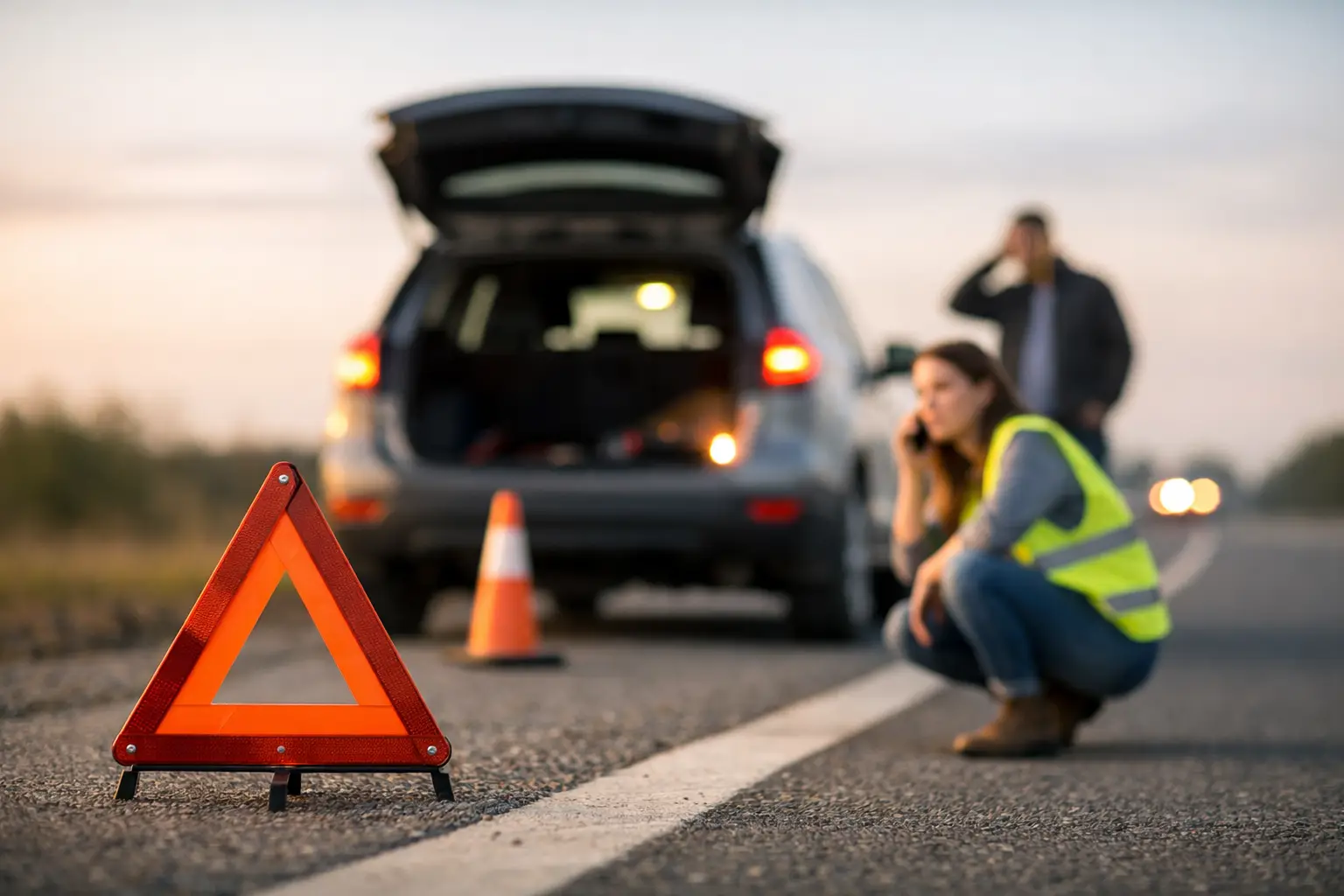
A breakdown never happens at a convenient time. It happens in traffic, in the rain, with kids in the back seat, or when your phone battery is lower than you want it to be. If you are wondering how to stay safe roadside, the first priority is simple - protect yourself and your passengers before you worry about the vehicle.
That order matters. A flat tire, dead battery, overheating engine, or minor collision can often be handled. Standing too close to moving traffic, getting out in a bad spot, or trying to fix a problem without enough space is where things can get dangerous fast.
How to stay safe roadside starts with your location
The safest roadside stop is the one that gets you as far away from traffic as possible. If your vehicle is still moving, do not stop the second you notice something is wrong unless the car is becoming impossible to control. Signal, slow down steadily, and look for a shoulder, parking lot, side street, or any open area that gives you more room than a narrow lane edge.
If you are on a highway, a wide shoulder is usually better than stopping near a curve, hill, or merge area where other drivers have less time to react. If you can exit the road safely, that is often the better choice. A damaged tire or rim is expensive, but stepping out next to fast-moving traffic can cost far more.
Once stopped, turn your wheels away from traffic if possible and put the vehicle in park. Set the parking brake. If it is dark, rainy, foggy, or you are stopped in a place where drivers may not see you right away, every foot of extra distance from the road helps.
Make your vehicle visible right away
Your hazard lights should go on as soon as you realize you have a problem, not after you come to a full stop. They tell drivers around you that something is wrong and that they need to give you space.
At night or in low visibility, keep your interior dome light on if it helps others see that the vehicle is occupied. If you carry reflective triangles or road flares, use them only if you can place them without putting yourself in danger. On a busy road, it may be smarter to stay inside the vehicle than to walk behind it setting up warning devices.
This is where judgment matters. Safety equipment is helpful, but not if using it means standing with your back to traffic. If conditions are poor, visibility is low, or cars are passing too close, staying secured inside the car is often the safer move.
Should you stay in the car or get out?
This depends on where you are stopped.
If you are on a high-speed road and your vehicle is reasonably clear of traffic, staying inside with your seat belt on is usually safest. That protects you from passing vehicles and from the risk of slipping, being unseen, or standing in a dangerous spot. Keep the doors locked and call for help.
If the vehicle is smoking, you smell fuel, you see fire, or you are stopped where another vehicle could easily hit you, get out carefully and move away from the road to a safer location. The key is not just getting out - it is getting out on the side away from traffic if possible and moving well clear of the vehicle.
For families, this decision matters even more. Children should not be walking around a shoulder or standing near a disabled car. If you need to exit, keep everyone together and move to a protected area such as behind a guardrail or farther off the roadway.
What to do while waiting for help
Once you are in the safest position available, focus on the basics. Call roadside assistance, a tow company, or emergency services if the situation involves injuries, a crash, or an unsafe roadway position. Give a clear location using road names, mile markers, nearby businesses, or navigation pins if your phone allows it.
Then stay where you are most protected. Avoid accepting help from passing strangers if something feels off. Many people mean well, but when you are stressed, stranded, or alone, it is smart to be cautious. If someone stops, you can thank them through a cracked window and let them know help is already on the way.
Keep your phone available and turn down anything that could cause you to miss a callback. If your battery is low, use low-power mode and avoid scrolling while you wait. A charged phone is more useful than a distracted ten minutes.
If you need to change a tire, be honest about the risk
Some drivers know exactly what to do with a spare tire. Others have never used the jack in their trunk. Either way, roadside tire changes are not just about skill. They are about space, visibility, weather, traffic speed, and the condition of the ground.
If you are in a parking lot or a quiet residential street with solid, level ground, changing a tire may be reasonable. If you are on the shoulder of a busy road, on gravel, on a slope, or near a blind curve, it may not be worth the risk. The same goes for larger vehicles, trailers, or trucks where the weight and equipment demands are greater.
A lot of roadside injuries happen because someone tries to save time in a place that is not safe for roadside repairs. There is no shame in waiting for trained help. A fast decision is not always the smart one.
After a crash, safety comes before paperwork
Even a minor accident can leave drivers shaken and unfocused. If the vehicle can move, get it out of traffic if possible. Turn on hazard lights and check for injuries. If anyone is hurt, call 911 right away.
If the vehicles are disabled or the road position is unsafe, stay focused on visibility and personal safety first. Photos, insurance details, and vehicle damage can wait a few minutes. Drivers often feel pressure to start documenting everything immediately, but standing in traffic with a phone in your hand is the wrong priority.
In the Gresham and Troutdale area, wet pavement and changing visibility can make even small roadside incidents more dangerous than they first appear. A calm response matters. Get to a safer spot, then deal with the rest.
How to stay safe roadside at night or in bad weather
Darkness changes everything. So do rain, ice, and fog. Drivers see less, stop slower, and often notice disabled vehicles later than they should. That means the margin for error is smaller.
At night, try to stop in a well-lit area if your vehicle can make it there safely. In heavy rain, assume other vehicles may drift closer to the shoulder than normal. In icy conditions, remember that cars around you may not be fully under control even if they appear to be slowing.
This is one of those times when staying inside the vehicle becomes more appealing, as long as there is no fire or immediate hazard. Visibility is worse, footing is worse, and passing drivers are less predictable. If you do have to exit, move carefully and make sure everyone is accounted for before focusing on the vehicle.
A few items in your car can make a bad stop easier
You do not need a survival kit the size of a toolbox, but a few basics can help. A charged phone cable, flashlight, reflective vest, bottled water, first-aid kit, and portable battery pack all make sense. If you drive longer distances or travel with children, a blanket and a small weather-ready bag are worth keeping in the trunk.
Still, gear has limits. A flashlight does not make a narrow shoulder safe. A tire inflator does not help if the tire blew out beside fast traffic. Preparation helps, but good judgment is what gets people through roadside trouble safely.
The safest move is the one that reduces exposure
When drivers panic, they often focus on fixing the mechanical problem immediately. But the real goal is reducing exposure to traffic, weather, and poor visibility. Sometimes that means driving slowly to a safer shoulder. Sometimes it means staying buckled inside the vehicle. Sometimes it means calling a local company like Tow Guys LLC instead of trying to force a quick fix in a dangerous spot.
If you remember one thing, let it be this: your vehicle can be repaired, towed, fueled, jumped, or moved later. Your job in the moment is to make calm choices that keep people out of harm's way. When trouble hits roadside, a little patience is often the fastest path back to safety.
Need a tow in Gresham or East County? Call Tow Guys 24/7 at (971) 222-7994.