How to Request a Tow Without the Stress
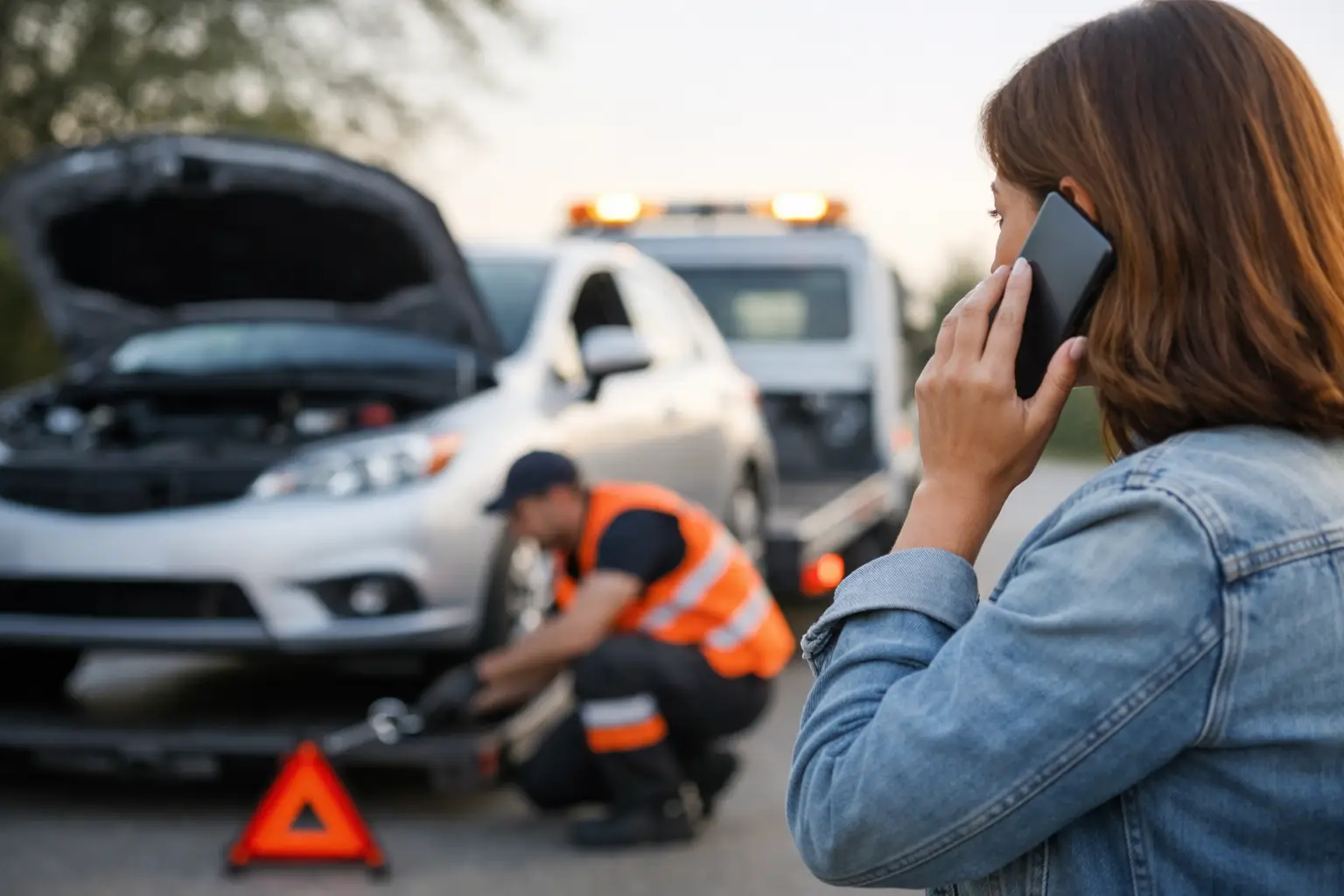
A breakdown rarely gives you a convenient place to stop. It happens in traffic, in a dark parking lot, on the shoulder during rain, or right when you are already late. If you are wondering how to request a tow, the good news is that the process is simple when you know what information to have ready and what to expect from the company you call.
The biggest mistake people make is waiting too long to call. If your vehicle is unsafe to drive, will not start, has damage after an accident, or is creating a hazard where it sits, it is time to ask for help. A clear call gets the right truck moving faster and helps the driver arrive prepared for your vehicle and location.
How to request a tow the right way
Requesting a tow starts with safety, not paperwork. Before you make the call, move yourself and any passengers to a safer spot if you can. If the vehicle is on the shoulder, stay away from traffic. Turn on your hazard lights. If it is dark, use your phone light carefully and stay visible without standing near moving cars.
Once you are safe, call a local towing company and be ready to answer a few basic questions. Most people only think to say, "My car broke down," but that is not enough to get the fastest response. The dispatcher needs details that help them send the right equipment and give you a realistic arrival time.
Start with your exact location. A street name alone may not be enough, especially if you are on a highway, near an exit, in a large parking lot, or on a side road. Give landmarks, nearby businesses, mile markers, cross streets, or anything else that makes your spot easy to find. If your phone maps app shows your location, use it.
Next, explain what happened. The vehicle may be dead and need a tow, but it may also need a jump start, fuel delivery, winch-out service, or roadside assistance instead. Being specific can save you time and money. If the car was in a collision, stuck in a ditch, has a flat in a dangerous area, or will not shift into neutral, say so right away.
You should also share the year, make, and model of the vehicle. That tells the towing company what kind of truck and equipment may be needed. A motorcycle, pickup truck, trailer, or low-clearance car may require a different approach than a standard sedan.
What information to give when you request a tow
If you want the process to go smoothly, think of your call as a quick handoff of the facts. The more accurate you are, the easier it is for the company to help you fast.
Tell them your exact pickup location, where the vehicle needs to go, what kind of vehicle it is, and whether it rolls freely. If the steering is locked, a wheel is missing, the car is in a parking garage, or the keys are lost, mention that early. Those details matter because they affect loading time and the equipment needed.
It also helps to say whether you are with the vehicle now. Some drivers can dispatch faster if they know you are on site and ready. If you are leaving the vehicle for safety reasons, ask what the company needs from you before they arrive.
If you have been in an accident, be clear about whether emergency responders are already there. In some situations, the scene may need to be secured first. If your vehicle is blocking traffic, say that too. Urgency changes dispatch decisions.
A good call often sounds simple: where you are, what happened, what you drive, and where it needs to go. That is usually enough to get things moving.
When a tow may not be the only option
Many drivers assume every roadside problem means a tow truck with a full vehicle transport. Sometimes that is true. Sometimes a faster roadside service call can solve the issue on the spot.
If you ran out of gas, fuel delivery may be all you need. If the battery is dead, a jump start could get you going again. If the vehicle will not start but the problem is unclear, the dispatcher may still send someone prepared to check whether towing is necessary.
This is why honesty helps. If you say the car is completely disabled but it turns out to be an empty tank, you may have delayed the most efficient help. On the other hand, if you downplay major damage or accident issues, the wrong truck may arrive. The goal is not to diagnose the problem perfectly. It is to describe the symptoms clearly.
Questions to ask before the tow is dispatched
When people are stressed, they often forget they can ask questions too. A professional towing company should be able to explain what happens next in plain language.
Ask for the estimated arrival window. Ask what kind of service they expect to provide based on what you described. Ask about pricing, especially if the final destination is farther away or if the vehicle has special handling needs. If your car is all-wheel drive, lowered, oversized, or attached to a trailer, bring that up before the truck arrives.
You can also ask what you need to have ready. In many cases, you will want your ID, keys, registration if available, and the address of the destination. If you are sending the vehicle to a repair shop, confirm that the shop can accept it.
The best towing calls feel calm and direct. You should not have to guess what happens next.
How to make pickup faster and safer
After you request the tow, stay in a safe place and keep your phone nearby. If the driver or dispatcher needs clarification, a missed call can slow everything down.
If you are on a busy road, do not stand next to the vehicle unless it is necessary. Many people feel they need to wave down the truck from the shoulder, but visibility and safety matter more than being physically close to the car. If your hazards are on and your location is accurate, the driver can usually identify you.
If weather is bad or visibility is low, small details can help. Tell the dispatcher your vehicle color. Mention if you are behind a guardrail, near a specific sign, or parked beside a certain business. These details are especially useful at night.
If you can remove personal valuables safely, do it before the tow begins. Once the vehicle is loaded, access may be limited until it reaches the destination.
Common mistakes when learning how to request a tow
The most common mistake is giving a vague location. The second is not describing the vehicle condition clearly. The third is assuming every tow is the same.
A car stuck in mud, a vehicle after an accident, and a truck with mechanical failure may all need different equipment or handling. That is why details matter. Even something as simple as a locked steering wheel can change the loading process.
Another mistake is waiting until the situation gets worse. If your car is limping along with smoke, steering problems, or serious warning signs, trying to push it farther down the road can turn a breakdown into a more dangerous situation. Calling sooner is usually the safer move.
Drivers also sometimes forget to decide on a destination before the truck arrives. If you know the vehicle is heading home, to a tire shop, or to a repair facility, have that address ready. It keeps the handoff smooth and avoids delays.
Choosing a towing company when you need help now
When time matters, local service matters too. A local company usually knows the roads, common trouble spots, and how to reach drivers faster without routing everything through a distant call center. That can make a real difference when you are stuck and need clear answers.
You also want a company that handles more than one kind of roadside problem. A trained team should be able to tow cars, trucks, motorcycles, and trailers while also helping with fuel delivery, non-starting vehicles, and accident-related transport. That flexibility matters because the issue is not always obvious when you first call.
For drivers in Gresham or Troutdale, working with a nearby operator like Tow Guys LLC can mean less waiting, more accurate arrival estimates, and support from people who understand the area.
What to expect when the tow truck arrives
When the driver gets there, they will usually confirm your name, vehicle, destination, and the issue you reported. They may inspect the vehicle briefly to decide the safest loading method. That is normal. It protects your vehicle and helps avoid surprises.
If you have questions, ask them. A good operator will explain what they are doing and what you need to do next. Some situations are quick. Others take longer because of traffic, damage, terrain, or vehicle position. It depends on the conditions, not just the distance.
Most of all, remember that asking for a tow is not about saying the perfect thing. It is about staying safe, sharing the right details, and getting help on the way. When you know how to request a tow clearly, a stressful roadside problem becomes much more manageable.
Need a tow in Gresham or East County? Call Tow Guys 24/7 at (971) 222-7994.