
How to Prepare for Vehicle Towing
A breakdown rarely happens when you have extra time to spare. It happens on the way to work, after a late shift, in the rain, or with kids in the back seat. Knowing how to prepare for vehicle towing before the truck arrives can make the whole situation safer, faster, and a lot less stressful.
When drivers call for help, the first concern is usually simple - how soon can someone get here? That matters. But what you do in the first few minutes matters too. A little preparation helps protect you, your passengers, your vehicle, and the towing process itself.
How to Prepare for Vehicle Towing Right Away
Start with safety before you think about the vehicle. If the car is still moving, steer it to the shoulder, a parking lot, or any area away from traffic if you can do so safely. Turn on your hazard lights as soon as you notice a serious issue.
If you're on a busy road, stay aware of traffic around you. Sometimes the safest choice is to stay inside the vehicle with your seat belt on. Other times, especially if there is smoke, a fuel smell, or a dangerous position near moving traffic, it may be safer to move away from the car. It depends on where the vehicle stopped and what condition it is in.
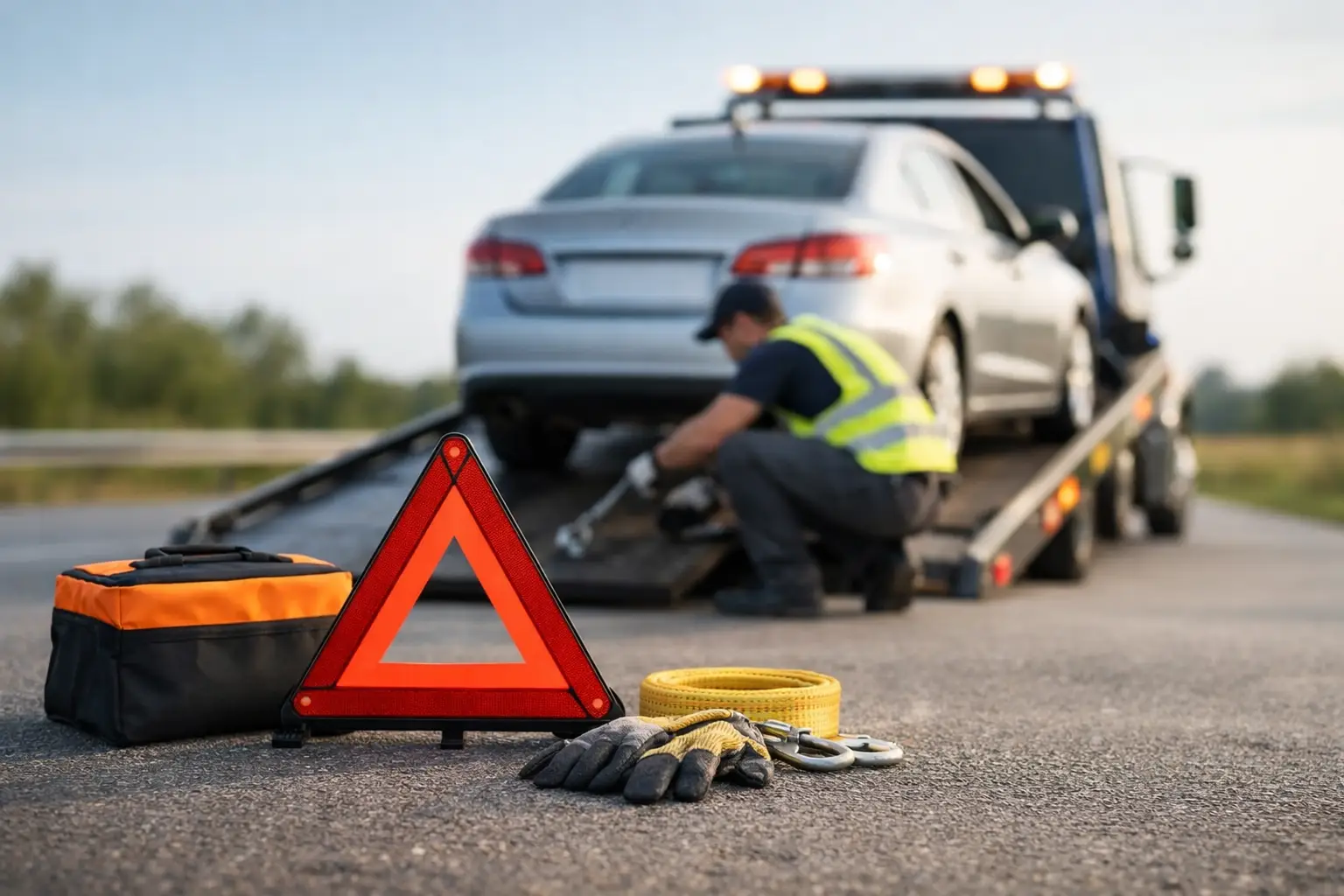
If you have reflective triangles or road flares and it is safe to place them, use them to increase visibility. At night or during bad weather, visibility becomes a much bigger issue. A tow operator can work more efficiently when other drivers can clearly see the disabled vehicle.
Gather the Details Before the Tow Truck Arrives
The quickest tows usually happen when the driver has good information from the start. Before the truck arrives, take a moment to confirm exactly where you are. Street names, mile markers, nearby businesses, cross streets, or landmarks can all help.
You should also be ready to explain what kind of vehicle you have and what went wrong. A dead battery, collision damage, locked steering, flat tire, transmission failure, or a vehicle stuck in mud can all affect what equipment is needed. If the vehicle is all-wheel drive, lowered, oversized, or hauling a trailer, say so upfront.
This is also the time to decide where the vehicle needs to go. If you already know the repair shop, your home address, or another safe destination, have that information ready. If you are unsure, tell the towing company that too. A good local operator can help you think through the best option based on distance, timing, and the condition of the vehicle.
Remove What You Need From the Vehicle
One of the most overlooked parts of towing preparation is taking out the personal items you may need later. Once the vehicle is dropped off at a shop, lot, or residence, you may not have immediate access to it.
Take your wallet, phone, charger, keys, medication, paperwork, and any valuables with you. If you have work gear, school bags, child items, or anything important in the trunk, get those out before loading begins if it is safe to do so.
It also helps to remove loose items inside the vehicle. Cups, tools, sports equipment, and other unsecured belongings can shift during transport. That does not always cause damage, but it can create a mess or add unnecessary risk.
Secure the Vehicle for Towing
Once your essentials are out, focus on getting the vehicle ready. In most situations, you should put the car in park if instructed, set the parking brake only if the tow operator tells you to, and turn the vehicle off. The exact steps can vary depending on whether the vehicle will be loaded onto a flatbed or towed another way.
If your car has special features like a low front bumper, custom wheels, electronic parking brake, push-button start, or a dead battery that prevents shifting into neutral, mention that right away. Newer vehicles often require a specific approach, and guessing can waste time or cause damage.
If there is visible damage from an accident, take a few photos before the tow begins. This is a practical step, not a sign that you expect a problem. Photos can help with insurance and give you a clear record of the vehicle's condition at pickup.
If the Vehicle Won't Start
A non-starting vehicle is common, but it changes the loading process. If the steering is locked, the battery is dead, or the wheels are turned sharply, let the tow driver know before they begin. The right equipment can still handle it, but advance notice makes the job smoother.
If you suspect the issue is minor, like a dead battery or empty fuel tank, do not assume a full tow is the only answer. Sometimes roadside assistance is the faster and less expensive fix. It depends on the cause of the problem and whether the vehicle can be safely put back on the road.
If the Vehicle Was in an Accident
Accident scenes are different from routine breakdowns. Safety and documentation come first. If police are on scene, follow their directions and wait until the vehicle is cleared for removal.
Try not to move damaged parts or force doors, wheels, or the steering column. A vehicle that looks drivable may have hidden damage underneath. In those cases, professional towing is the safer choice than trying to limp it down the road.
Be Ready to Show Ownership and Destination Information
In some towing situations, especially after an accident or when moving a vehicle from private property, you may be asked to confirm that you own the vehicle or are authorized to make decisions about it. Keeping your license, registration, and proof of insurance handy can save time.
You should also confirm the drop-off location clearly. Double-check the address, the shop name, and whether after-hours drop-off is allowed. A small mix-up here can turn a fast solution into a long day.
For local drivers in Gresham or Troutdale, this matters even more during off-hours when some repair facilities may be closed. The right destination depends on whether you need immediate repairs, overnight storage, or just a safe place to get the vehicle off the road.
Know What to Expect When the Tow Truck Arrives
When the tow truck gets there, the driver will usually assess the vehicle position, damage, and safest loading method. This is the time to share any last details, like recent mechanical issues, a broken axle, or trouble with the brakes.
Give the operator room to work. Towing is hands-on and often done near traffic, curbs, ditches, or tight parking spaces. Standing too close can create risk for everyone. If you have questions, ask them, but let the operator control the loading area.
It is also reasonable to confirm where the vehicle is going and whether you will ride with the driver or need separate transportation. Policies vary by company, truck type, insurance rules, and available seating.
Common Mistakes That Slow Down a Tow
Most towing delays come from small issues, not major ones. Drivers often forget to describe their exact location, leave important items in the car, or fail to mention that the vehicle has all-wheel drive or collision damage. Those details affect equipment choice and loading time.
Another common mistake is trying to force the vehicle into a drivable condition when it is not safe. Restarting a badly damaged car, dragging it with another vehicle, or leaving it in a dangerous roadside position can make things worse. Fast help is important, but safe help is what gets you through the situation without added problems.
A Simple Way to Make Future Tows Easier
If you want to be better prepared next time, keep a few basics in your vehicle: your registration, insurance card, phone charger, flashlight, and emergency contact information. A reflective vest and warning triangles can also help if you drive often at night or outside town.
It is also smart to have the number of a dependable local towing company saved in your phone before you need it. In a stressful moment, you do not want to sort through unfamiliar options while stuck on the shoulder.
Tow Guys LLC sees firsthand how much easier these situations go when drivers stay calm, share clear information, and put safety first. You do not need to know every technical detail. You just need to take the right first steps, protect yourself, and work with a towing team that knows how to handle the rest.
The best preparation is simple: think safety first, keep your information close, and remember that a stressful roadside stop becomes much more manageable when you know what to do in the first few minutes.
Need a tow in Gresham or East County? Call Tow Guys 24/7 at (971) 222-7994.