
How to Prepare for Roadside Assistance Before You Need It
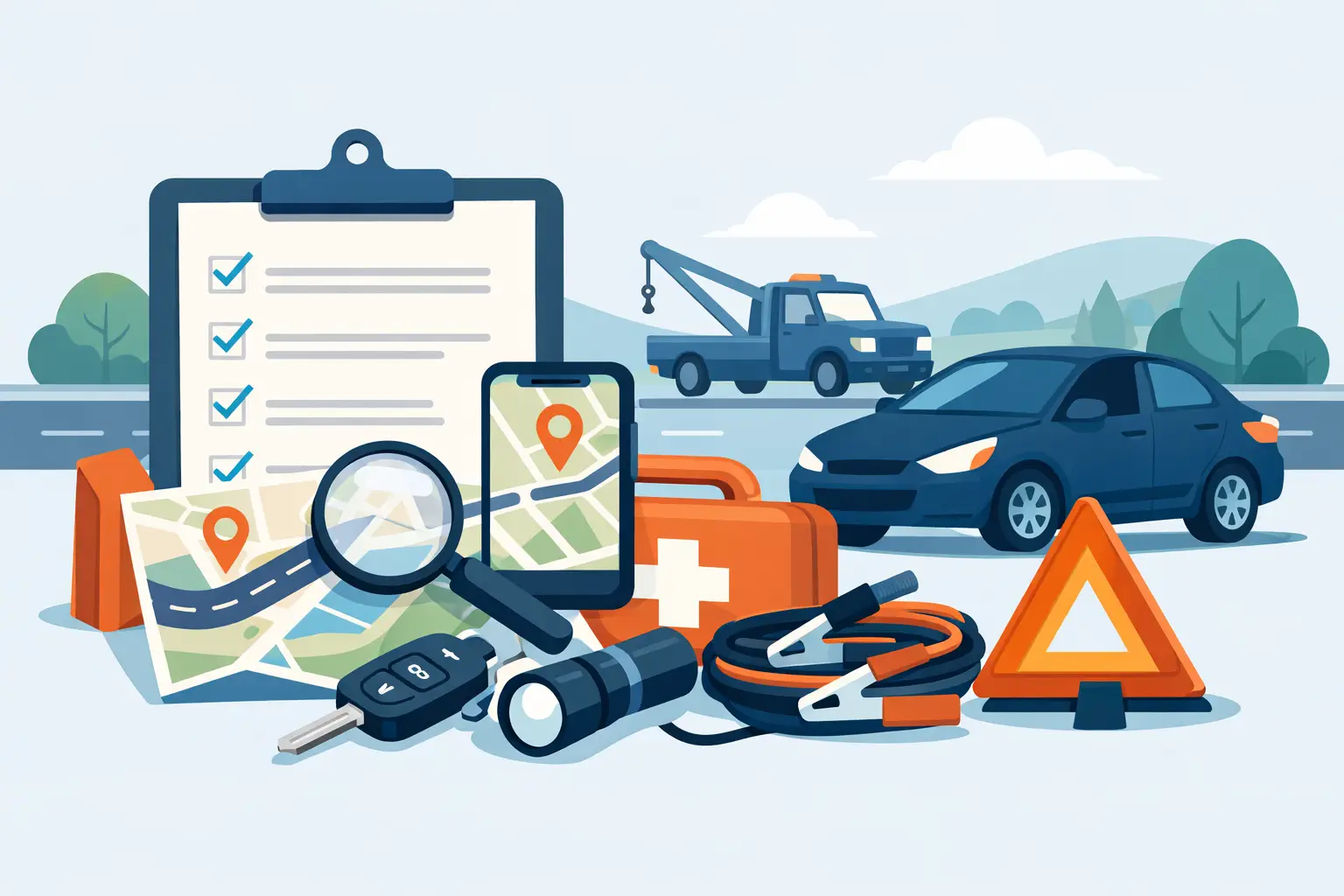
A dead battery in a grocery store parking lot is frustrating. A breakdown on a dark, rainy road outside Gresham is a safety issue. Knowing how to prepare for roadside assistance before either one happens can make a stressful moment far more manageable. The goal is simple: protect yourself, give the dispatcher clear information, and make it easier for help to reach you without delay.
You do not need to be a mechanic to be prepared. A few habits, a small set of supplies, and the right information on your phone can make a real difference when your vehicle will not start, you run out of fuel, get a flat tire, or need a tow.
Start With a Roadside Safety Plan
The first priority during any roadside problem is not the vehicle. It is the people inside it. Before you worry about a repair or a tow, get your vehicle as far from moving traffic as you safely can. Turn on your hazard lights immediately, especially at night, in rain, fog, or heavy traffic.
If the vehicle is still drivable, aim for a parking lot, wide shoulder, side street, or other safe location. Do not keep driving if the engine is overheating, the oil pressure light is on, you smell fuel or smoke, steering feels unsafe, or a tire has failed badly. Trying to reach a better location can turn a manageable breakdown into costly damage or an accident.
Once stopped, consider the conditions before getting out. On a busy road or narrow shoulder, staying buckled inside the vehicle may be safer than standing near traffic. If you must exit, use the side away from passing vehicles when possible. Keep children and passengers close, and do not let anyone walk along a high-speed roadway to look for help.
After an accident, call 911 first if anyone is injured, traffic is blocked, or there is an immediate danger. Roadside assistance can help with recovery and towing after the scene is safe, but emergency responders take priority when people may be hurt.
How to Prepare for Roadside Assistance With the Right Details
When help is needed, accurate information gets the right truck and equipment to you faster. Save a few essential details in a note on your phone now, rather than trying to find them while standing in the rain with a low battery.
Start with your vehicle’s year, make, model, color, and license plate number. Include whether it is all-wheel drive, four-wheel drive, lowered, electric, or equipped with any special modifications. Those details can affect how a vehicle should be loaded and transported. If you drive a motorcycle, light truck, trailer, or work vehicle, make sure the roadside provider knows that at the start of the call.
Your exact location matters just as much. “I’m near the freeway” is a starting point, but it is not enough for a fast dispatch. Be ready to share the road name, travel direction, nearest cross street, mile marker, exit number, business name, or a visible landmark. Phone maps can help, but check that your location pin is accurate before you send or read it aloud.
It also helps to describe the issue in plain language. Tell the dispatcher whether the car will not crank, starts but will not stay running, has a flat tire, ran out of gas, is locked out, overheated, or was involved in a collision. Mention anything that could affect safety, such as smoke, a leaking fluid, damaged wheels, or a vehicle stuck in mud or a ditch.
If you have a preferred repair shop, write down its name, address, and after-hours instructions. Some shops cannot accept vehicles after closing, and choosing a destination while already stranded can add unnecessary pressure.
Keep Your Phone Ready for the Call
Most roadside calls begin and end with your phone. Keep it charged whenever possible, especially before longer drives, winter weather, or trips through less familiar areas. A car charger is useful, but a compact power bank is a better backup if the vehicle’s electrical system fails or you cannot safely remain in the car.
Save the number for a local roadside assistance provider before an emergency. You may also want to keep your insurance roadside coverage information and membership details, if you have them, in your phone. Coverage can be helpful, but do not assume every plan covers every service, distance, vehicle type, or destination. Review the limits before you need to use them.
When you call, keep the line open and listen for instructions. If you need to move locations for safety, call back with the update. If your phone battery is low, say so right away. A dispatcher can make better decisions when they understand the full situation.
Build a Practical Roadside Kit
A roadside kit does not need to fill your trunk. It should cover the basics that keep you visible, comfortable, and able to wait safely for professional help. Check the kit twice a year, because batteries, food, water, and medications do not last forever.
For most drivers, the following items are worth carrying:
- A reflective safety vest, flashlight, and extra batteries
- Warning triangles or road flares designed for roadside visibility
- A first-aid kit, bottled water, shelf-stable snacks, and a blanket
- A phone charging cable and portable power bank
- Jumper cables or a jump pack, plus gloves and a basic tire gauge
- A windshield scraper, small towel, and rain poncho for Oregon weather
- Copies of your registration and insurance information
A spare tire, jack, and lug wrench are useful only if they are in good condition and you can safely use them. Check the spare’s air pressure periodically. If you are on a narrow shoulder, in heavy traffic, or unsure how to change a tire, waiting for roadside assistance is often the safer choice.
Prevent the Most Common Calls When You Can
Some breakdowns cannot be predicted. A tire can pick up a nail, a battery can fail without much warning, and accidents happen. Still, basic maintenance reduces the odds of being stranded and helps you spot trouble before it becomes urgent.
Pay attention to slow starts, dim headlights, warning lights, vibration, overheating, burning smells, or a tire that repeatedly loses air. These are signals to schedule service, not problems to ignore until the next commute. Keep up with oil changes, tire inspections, battery checks, and fluid levels according to your vehicle’s maintenance schedule.
Fuel planning also matters more than many drivers realize. Do not rely on the fuel-range display down to the last few miles, especially when driving in unfamiliar areas, cold weather, or stop-and-go traffic. If your gauge is unreliable, refill early and have it inspected.
Before a longer trip, take five minutes to check tires, fuel, lights, wipers, and the weather forecast. That small pause can save hours on the side of the road.
Know What to Expect From a Tow
If your vehicle needs towing, remove valuables and gather anything you may need from the cabin before it is loaded. Think about house keys, work equipment, medications, child seats, garage remotes, and important documents. If possible, take photos of the vehicle’s condition, particularly after a collision.
Ask where the vehicle is going, how it will be transported, and whether you need to be present when it arrives. The answer depends on the destination and the type of vehicle. For example, all-wheel-drive vehicles, motorcycles, and damaged vehicles may need specific handling. Clear communication protects your vehicle and helps avoid surprises later.
Do not accept help from an unmarked or unexpected vehicle without confirming who they are. A professional roadside provider should be able to identify the company, explain the service being performed, and answer your questions before work begins.
Prepare the People Who Ride With You
Roadside readiness is not just for the driver. If teenagers, older family members, or new drivers use your vehicle, make sure they know what to do after a breakdown. Show them how to turn on hazard lights, find the roadside kit, share their phone location, and call for help.
Remind them that they do not need to diagnose the problem, negotiate with strangers, or attempt a risky repair. Their job is to get to a safer position, communicate clearly, and wait for qualified assistance. That is especially helpful for parents whose young drivers may panic during their first roadside emergency.
When trouble interrupts your day, a prepared plan gives you something solid to do next. Keep the essentials in your vehicle, save your key information, and choose safety over rushing. If you need prompt, respectful help in Gresham or Troutdale, Tow Guys LLC is ready to help you get off the road and moving forward.
Need a tow in Gresham or East County? Call Tow Guys 24/7 at (971) 222-7994.