
How to Move a Stalled Car Safely Off the Road
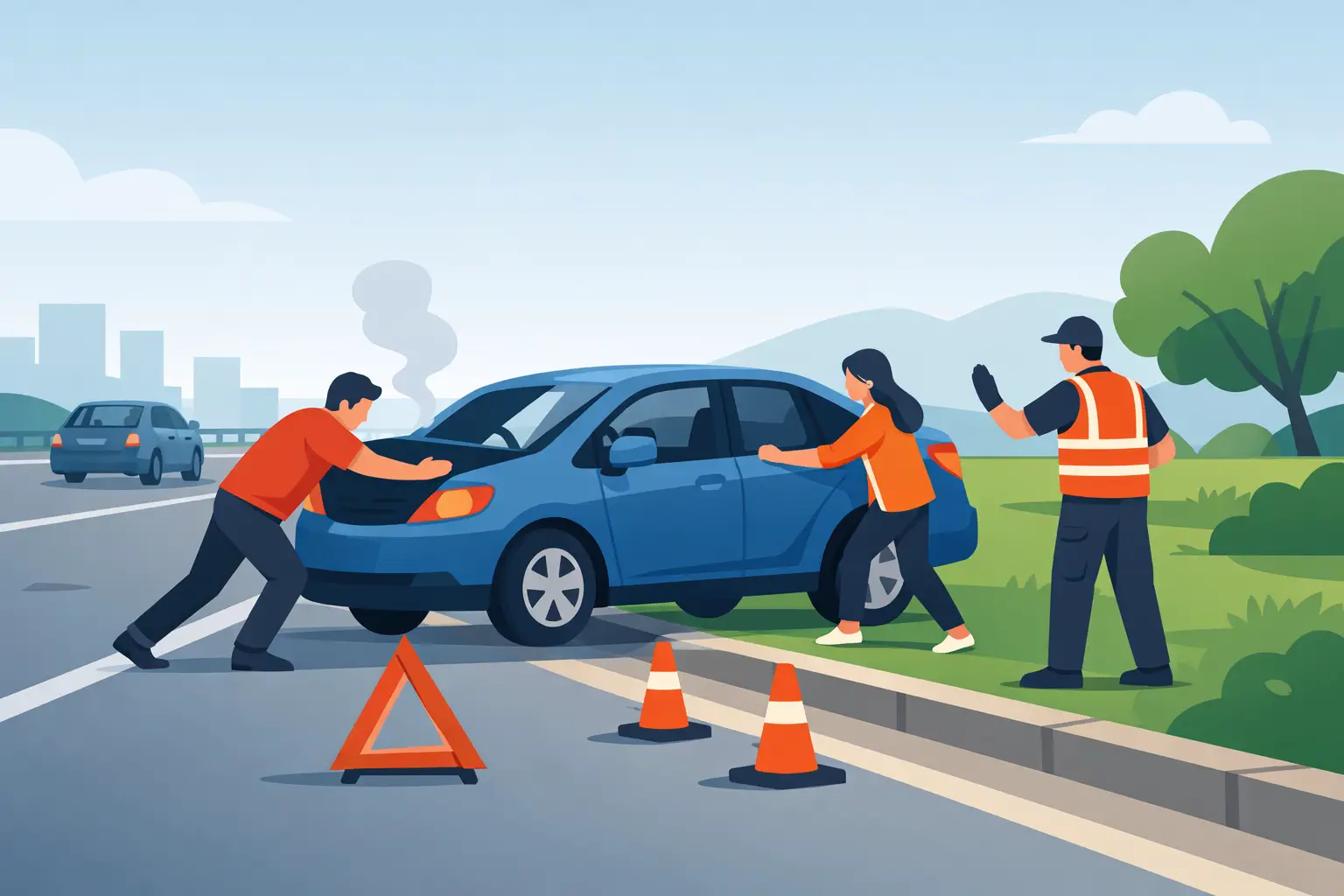
A stalled car can turn a normal drive into a dangerous situation in seconds, especially on a busy Gresham or Troutdale road. If you searched how to move stalled car, the first priority is not getting it out of the way at any cost. Your safety, your passengers, and approaching traffic come first.
A vehicle that has stalled may still roll, but steering and braking can feel much harder after the engine shuts off. Before you push, coast, or try to restart it, take a moment to assess where you are and whether moving the vehicle is actually safe.
First, decide whether you should move the stalled car
Moving a stalled vehicle makes sense only when you can get it out of an immediate traffic lane without placing yourself in greater danger. A flat parking lot, quiet side street, driveway entrance, or wide shoulder may give you enough room to move it carefully. A crowded freeway lane, narrow bridge, blind curve, steep hill, or railroad crossing is a different situation.
If the car is in a travel lane and traffic is moving quickly, do not stand outside and try to push it alone. Get everyone out of the vehicle only if there is a safe path away from traffic, then move well away from the roadway. Call for emergency assistance if the vehicle creates an immediate hazard.
You should also leave the car where it is and request a tow if you notice smoke, flames, a strong fuel smell, leaking fluid, a damaged wheel, collision damage, or a vehicle that will not shift normally. Trying to force a damaged car to move can make the problem worse and expose you to injury.
Make the vehicle visible before you do anything else
Turn on your hazard lights as soon as the car begins losing power or comes to a stop. If it is dark, raining, foggy, or dusk, visibility matters even more. Keep the headlights on if the battery allows it, but remember that accessories can drain a weak battery.
If you have reflective triangles or road flares and can place them without walking into traffic, use them. Do not risk crossing lanes or standing behind the car on a high-speed road just to set out warning devices. Your hazards and a call for help are better than becoming another roadside emergency.
Put the vehicle in park if it has stopped, set the parking brake, and take a breath. If you are going to move it, you will release the brake only when the route and the people helping are ready.
How to move a stalled car by pushing it
Pushing a stalled car should be a short-distance solution, not a way to travel down the road. Ideally, have at least one licensed driver in the driver’s seat and two or more capable adults pushing from the rear. The driver must be able to steer, brake, and communicate clearly with everyone outside.
Before anyone starts pushing, choose the exact stopping point. It might be a shoulder, parking lot entrance, or safe curbside space. Make sure the route is clear, level, and free of pedestrians, curbs, parked vehicles, and downhill slopes. If the vehicle must go uphill, the group may not have enough control or strength to do it safely.
The driver should turn the ignition to the on position so the steering wheel does not lock. In many vehicles, power steering and power brakes will no longer operate with the engine off. The wheel may take much more effort to turn, and the brake pedal may feel stiff after one or two presses. That is normal, but it means the driver needs to be prepared.
For an automatic vehicle, shift into neutral only after holding the brake pedal and confirming the area is clear. For a manual transmission, place the vehicle in neutral and keep the clutch released unless the owner’s manual says otherwise. Release the parking brake only when the pushers are positioned and the driver is ready.
Push from the rear of the vehicle, never from the side, front, door frame, or an unstable body panel. Keep your hands flat on a solid area of the trunk, hatch, or rear frame area. Do not put fingers near a license plate edge, broken trim, or a damaged bumper. Wear shoes with good traction if possible.
Use simple commands such as “ready,” “push,” “slow,” and “stop.” The driver should not rely on hand signals that may be hard to see in traffic. Once the car reaches the safe location, the driver should apply the brakes, shift into park, and set the parking brake before anyone steps away.
Never push from the front on a public road
Pushing from the front puts people directly in the path of traffic and leaves them vulnerable if the car starts rolling unexpectedly. It also creates a serious risk on hills or slick pavement. If the only way to move the vehicle would require standing in front of it, wait for professional help.
If the car stalled while you were driving
A stall while moving can feel alarming because the car may suddenly lose acceleration. Keep a firm grip on the wheel, activate your hazards, and guide the vehicle toward the nearest safe shoulder or parking area. Do not make sharp turns. Your steering may become heavier, but it should still work.
Use the vehicle’s remaining momentum to coast out of the traffic lane. Avoid shifting into park while the car is rolling. Brake steadily and expect more pedal pressure than usual if the engine is off. Once you stop, set the parking brake and assess the location before deciding whether anyone should exit.
If you are stranded on a freeway or other high-speed road, staying in the vehicle with seat belts fastened can be safer than standing beside it, provided the vehicle is not smoking, on fire, or at risk of being struck from behind. If you must exit, leave from the side away from traffic and move behind a guardrail or far from the roadway when possible.
Do not use another vehicle to tow it with a rope or chain
It may seem tempting to ask a friend to pull your stalled car a short distance. On public roads, this is risky and can be illegal depending on the situation. A rope, chain, or strap can snap, vehicles can collide, and a stalled car may not have enough braking or steering control to follow safely.
Modern vehicles also have specific recovery points. Hooking a chain to a bumper, suspension component, axle, or trailer hitch can cause expensive damage. A proper tow requires the right equipment, secure attachment points, trained handling, and a driver who understands the vehicle’s condition.
The same caution applies to trying to push a vehicle with another car. What looks like a small nudge can damage bumpers, airbags, sensors, cooling systems, or transmission components. It is not worth the risk to people or vehicles.
When roadside help is the safer choice
Call for roadside assistance or towing when you cannot move the car safely, the car is blocking traffic, or you are unsure why it stalled. A dead battery, empty fuel tank, overheating issue, failed alternator, transmission trouble, or collision damage can all leave a vehicle unable to move under its own power.
When you call, share your exact location, vehicle type, direction of travel, nearby landmarks, and whether you are in a lane, parking lot, driveway, or shoulder. Let the dispatcher know if you have children, pets, a trailer, motorcycle, or light truck involved. Clear information helps the right equipment arrive sooner.
Tow Guys LLC provides local towing and roadside assistance for drivers who need a calm, professional response when a vehicle will not safely move. Waiting for trained help may feel frustrating, but it is often the fastest way to get the car, your family, and everyone around you out of danger.
A safer plan for the next breakdown
Keep a charged phone, flashlight, reflective vest, basic first-aid kit, and roadside warning devices in your vehicle. These items will not fix a mechanical failure, but they can make an unexpected stop less dangerous while help is on the way.
Most importantly, do not let pressure from impatient traffic push you into a bad decision. A stalled car can be repaired, towed, or transported. Your safety is the one part of the situation that cannot be replaced.
Need a tow in Gresham or East County? Call Tow Guys 24/7 at (971) 222-7994.