
How to Handle Engine Stalling on the Road
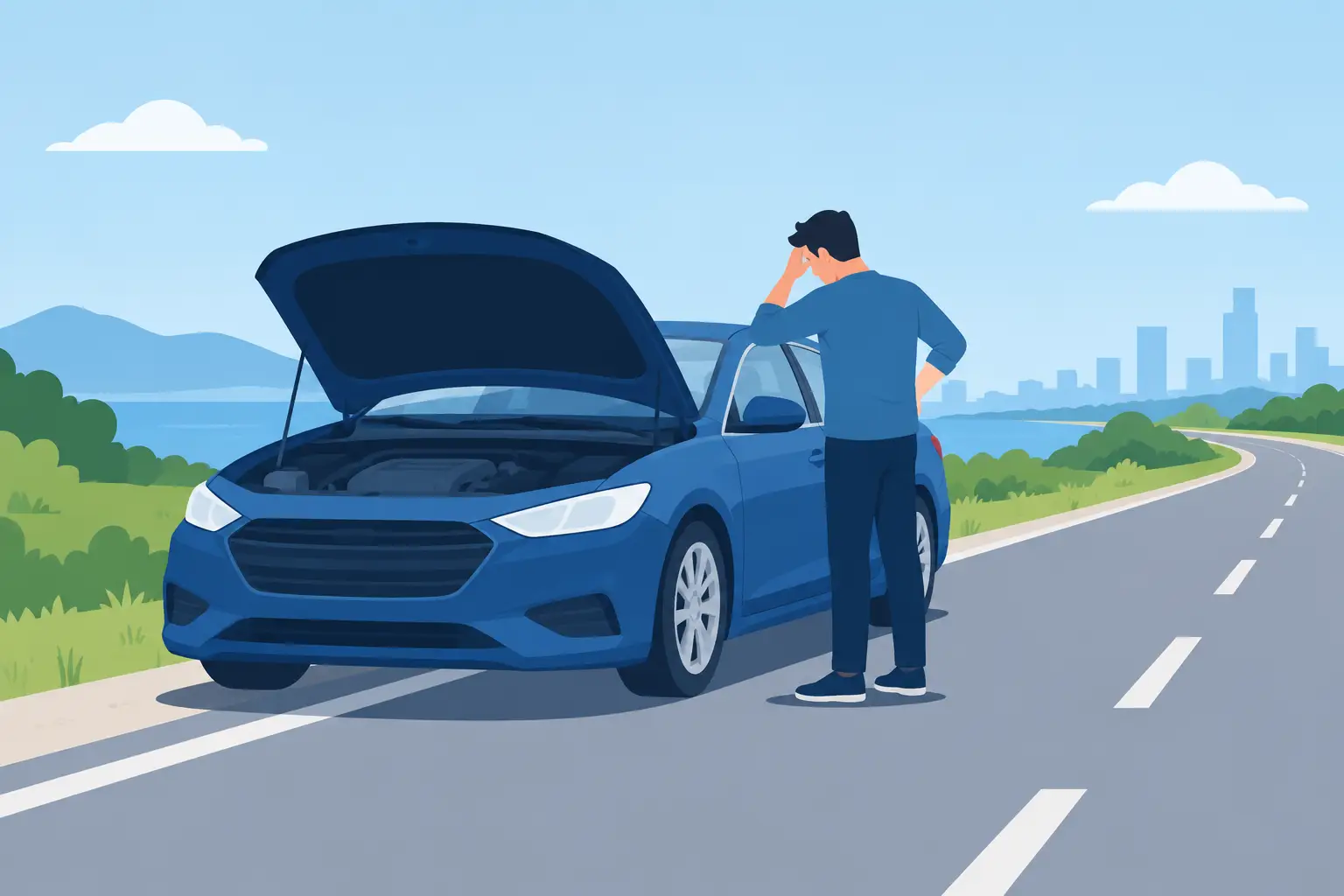
An engine that suddenly goes quiet can turn an ordinary drive into a stressful situation fast, especially when traffic is moving around you. Knowing how to handle engine stalling starts with one priority: get yourself and your passengers out of danger before trying to figure out what went wrong.
A stall may feel like a complete loss of control, but your vehicle will usually still coast and steer. The steering and brakes can become much harder to use once the engine stops, though, so calm, deliberate actions matter. Whether you are on a busy Gresham street, a highway, or a quieter road near Troutdale, treat a stalled engine as a safety issue first and a mechanical issue second.
How to Handle Engine Stalling in Traffic
When the engine stalls while you are driving, take your foot off the accelerator and turn on your hazard lights as soon as you can do so safely. Keep both hands on the wheel. Do not make a sudden turn or slam on the brakes unless avoiding an immediate collision requires it.
Use the car's remaining momentum to move toward the shoulder, a parking lot, a side street, or another safe area away from active traffic. Power steering may no longer assist you, which means the wheel can feel unusually heavy. You can still steer, but it will take more effort. Brake pressure may also feel firmer after the engine shuts off, particularly after one or two presses of the pedal.
If you drive a manual transmission vehicle, press the clutch while steering to a safe stopping place. If restarting is safe and your vehicle is in neutral, you may be able to start it again while coasting slowly. Do not focus on restarting if your attention needs to stay on steering and avoiding traffic.
Once you have stopped, shift into park for an automatic or neutral for a manual, set the parking brake, and keep your hazard lights on. If you are on a narrow shoulder or near fast traffic, stay inside with your seat belt on unless there is an immediate danger, such as smoke, flames, or a crash risk. Walking along a highway shoulder can create another dangerous problem.
Know the Difference Between a Stall and a No-Start
An engine stall happens after the vehicle has been running. A no-start means the vehicle will not start at all when you turn the key or press the ignition button. The causes can overlap, but the details you notice can help a technician or roadside provider respond appropriately.
A stalled engine may restart right away, restart and stall again, or refuse to start afterward. If it restarts normally and stays running, you still should not assume the issue is solved. An intermittent problem can return at the next stoplight, during a turn, or while merging into traffic.
Pay attention to what happened just before the stall. Did the engine sputter? Did dashboard warning lights appear? Did you smell fuel, notice overheating, or lose electrical power? Was the air conditioner running? Did it stall only when you came to a stop? These observations can point toward a fuel, battery, charging, sensor, ignition, overheating, or transmission-related issue.
When It Is Safe to Try Restarting
You can try restarting the vehicle once you are safely stopped and out of the travel lane. Before doing so, make sure the transmission is in park or neutral and your foot is firmly on the brake. Turn off accessories such as the radio, climate control, and phone chargers if the battery seems weak.
Avoid repeated, long attempts to crank the engine. If it does not start after a couple of reasonable tries, continuing can drain the battery and leave you with fewer options. A rapid clicking sound may suggest a weak battery or poor electrical connection. A slow crank can also indicate battery trouble, while an engine that cranks normally but will not fire may point to another issue.
Do not try to restart if you smell strong gasoline, see smoke, notice flames, or have a serious fluid leak. Move away from the vehicle if it is safe to do so and call for emergency assistance. Fuel odors and smoke are not problems to troubleshoot on the roadside.
Common Reasons an Engine Stalls
Engine stalling can have a simple cause, but it can also signal a repair that should not be delayed. A vehicle that stalls once after a cold start is different from one that regularly dies in traffic. The most common possibilities include:
- A weak battery, failing alternator, loose battery cable, or other charging-system problem
- Low fuel, contaminated fuel, a failing fuel pump, or restricted fuel delivery
- Worn spark plugs, ignition coils, or another ignition-system fault
- A dirty throttle body, airflow issue, failing sensor, or vacuum leak
- Engine overheating, low oil pressure, or a mechanical problem that needs immediate attention
- Manual-transmission clutch use that causes the engine to stall at low speed
Modern vehicles often store diagnostic trouble codes after stalling, even if the check engine light goes away later. That is useful information for a repair shop. But a warning light should never be your only guide. If the vehicle feels unsafe, shakes badly, loses power, overheats, or stalls more than once, arrange a tow rather than trying to drive it farther.
Do Not Let a Small Stall Become a Roadside Emergency
The safest decision depends on where you are, how the vehicle behaves after restarting, and the warning signs you see. A stall in your own driveway may allow time for a repair appointment. A stall on a busy road, during heavy rain, at night, or with children in the vehicle calls for a more cautious response.
Do not continue driving if the check engine light is flashing, the temperature gauge is high, the oil pressure light stays on, or there is smoke or a burning smell. A flashing check engine light can indicate a misfire serious enough to damage the catalytic converter. Overheating can cause severe engine damage if you keep driving. Low oil pressure can do the same in a very short distance.
You should also call for help if the engine restarts but the steering, brakes, lights, or electrical systems are acting unpredictably. It is not worth gambling on a vehicle that may stall again while you are turning across traffic or traveling at highway speed.
Tow Guys LLC can provide roadside support or towing when a stalled vehicle cannot be safely driven in the Gresham area. Giving the dispatcher your exact location, vehicle type, and any warning lights or symptoms helps the right help reach you prepared.
What to Do While You Wait for Assistance
After you are in a safe place, keep your doors locked and hazards on. If it is dark, leave interior lights off when possible to preserve battery power, but make sure your vehicle remains visible. If you have reflective triangles or flares and can place them without stepping into traffic, use them according to their instructions.
Call a family member or friend if someone needs to know your location, but avoid draining your phone battery. Keep your phone available for updates from roadside assistance. If conditions are unsafe, such as extreme heat, freezing temperatures, or a dangerous roadside position, tell the dispatcher that clearly.
Resist the urge to accept help from an unverified person who offers to tow or repair your vehicle. A legitimate provider should identify the company and explain what assistance is being provided. Your safety and vehicle security come first.
Preventing Another Engine Stall
Not every stall can be predicted, but regular maintenance lowers the chance of an unexpected breakdown. Keep up with oil changes, battery testing, tune-up recommendations, and cooling-system service. Have warning lights checked before they turn into a no-start or roadside stop.
If your vehicle has stalled even once, make a note of the conditions. Record whether the engine was hot or cold, your fuel level, the weather, your speed, and any noises or warning lights. Those details can save diagnostic time and help prevent the issue from coming back.
A stalled engine is unsettling, but you do not have to solve it alone on the side of the road. Get to a safe place, trust the warning signs, and choose professional help whenever the vehicle is not clearly safe to drive.
Need a tow in Gresham or East County? Call Tow Guys 24/7 at (971) 222-7994.