
How to Handle Breakdown Stress Without Panic
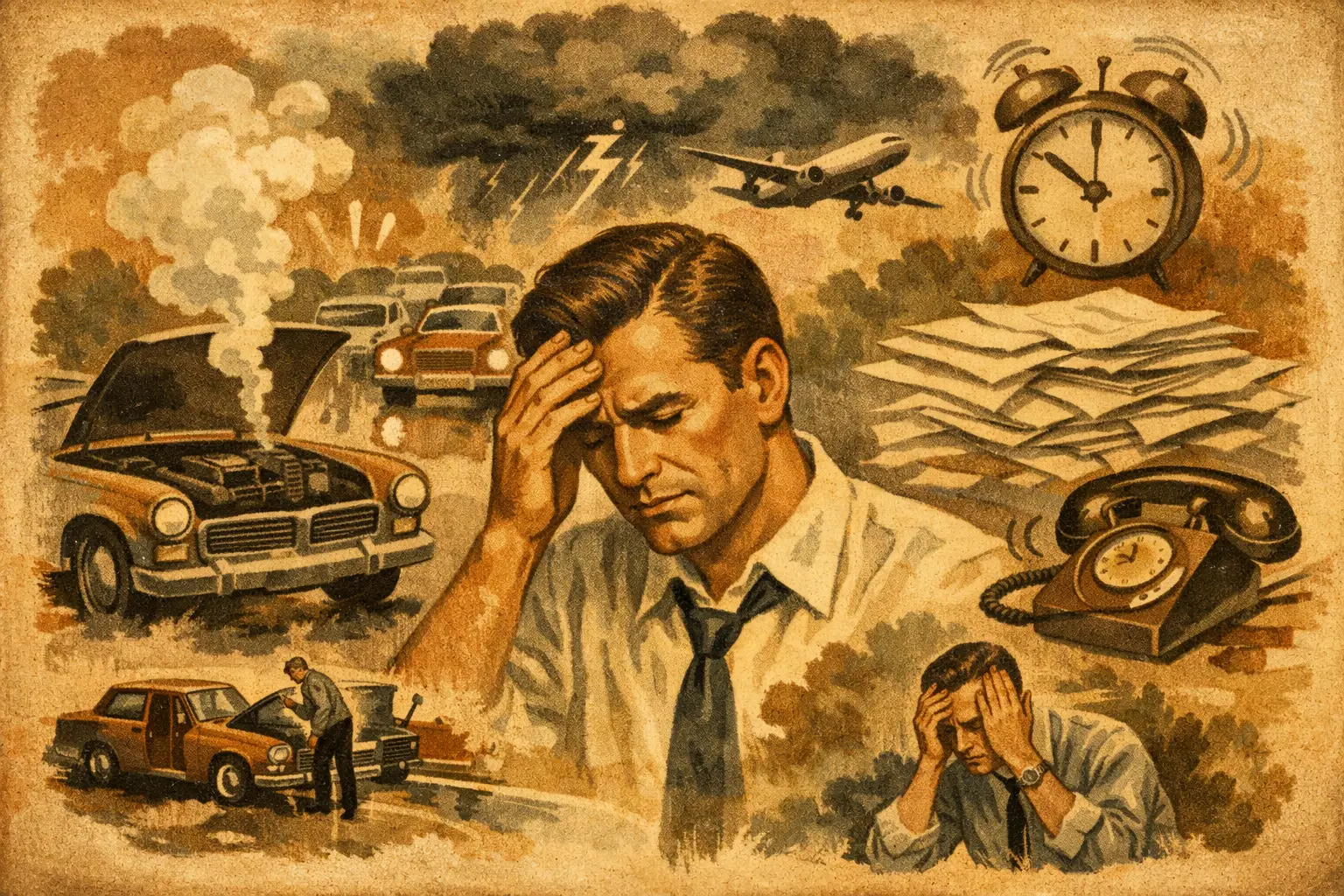
A breakdown can turn an ordinary drive into a rush of worst-case thoughts. Traffic is moving fast, your car is making a sound it should not make, and you may be worried about getting to work, picking up a child, or getting home safely. Knowing how to handle breakdown stress starts with one simple goal: protect people first, then deal with the vehicle.
You do not need to diagnose the problem on the shoulder of the road. You need a clear next step. A calm, practical response helps you make safer choices and gives roadside professionals the information they need to help you faster.
Put safety ahead of the car
When a warning light comes on, a tire fails, or your engine loses power, your first decision is where to stop. If the vehicle is still moving, ease off the accelerator, turn on your hazard lights, and look for the safest reachable location. A parking lot, wide shoulder, side street, or designated pullout is usually better than stopping in an active lane.
Do not brake sharply unless you must avoid an immediate hazard. Keep both hands on the wheel, signal early, and move gradually. If you are on a freeway or busy road, it may be safer to continue slowly to the next exit than to stop in a narrow or exposed shoulder. It depends on the condition of the vehicle. Smoke, a strong fuel smell, severe steering problems, or a flat tire that makes the car hard to control call for stopping as soon as it is safely possible.
Once stopped, put the vehicle in park, set the parking brake, and keep your hazard lights on. Take a breath before making calls or trying to solve the mechanical issue. That short pause can keep panic from deciding what happens next.
How to handle breakdown stress in the first five minutes
Stress makes people feel as if they have to act immediately, even when the safest move is to stay put. Give yourself a simple order of operations. Check for injuries, assess where you are, contact help, and wait in the safest available place.
If there has been a collision, if anyone is hurt, if your car is blocking traffic, or if you feel unsafe where you are, call emergency services first. Let them know your location, the direction of travel, nearby landmarks, and whether there are injuries or hazards such as leaking fluid or smoke.
For a standard breakdown, focus on the details a towing or roadside provider will need. Your location matters more than a perfect explanation of the problem. A nearby cross street, mile marker, business name, freeway exit, or map pin can make dispatch much easier. Then share the vehicle make, model, color, and what happened, such as a no-start, flat tire, empty fuel tank, overheating engine, or accident damage.
It also helps to say whether you are in a safe location and whether the vehicle can roll, steer, or shift into neutral. That information helps the provider send the right equipment instead of arriving with an option that does not fit the situation.
Decide whether to stay in the vehicle or get out
There is no single answer for every roadside stop. Your surroundings matter. On a busy freeway, in bad weather, at night, or where there is no safe path away from traffic, staying inside with your seat belt on is often the safer choice. Keep the doors locked and avoid standing near the vehicle.
If your vehicle is on fire, filling with smoke, leaking fuel, or positioned where it could be struck, get out if you can do so safely. Move well away from traffic and away from the vehicle, preferably behind a guardrail or to a protected area. Do not stand directly in front of or behind your car. Another driver may not see you in time.
If you have children, older passengers, pets, or someone with mobility needs, think through the safest choice for them rather than reacting to pressure from other drivers. A passenger should not step into moving traffic simply to help with a tire or look under the hood.
Avoid roadside fixes that create bigger risks
A breakdown can make a simple repair feel urgent, but a fast fix is not always a safe fix. Changing a tire in a quiet parking lot is very different from changing one inches from freeway traffic. Opening the hood to investigate can also be dangerous if the engine is overheating or if you see steam.
Avoid touching hot engine components, removing a radiator cap, or working near traffic. Do not accept help from a stranger if their behavior feels aggressive, confusing, or unsafe. A kind offer is not automatically a bad one, but trust your instincts and keep your doors locked while you decide what to do.
Be careful with jump-starts as well. If you know the proper process and can do it in a safe location, it may get you moving. But if the battery is damaged, cables are worn, the vehicle has electrical issues, or you are unsure of the connection points, it is smarter to wait for a trained technician. The trade-off is a little more waiting versus the risk of injury or expensive electrical damage.
Give your mind a job while you wait
Waiting for help is often the hardest part, especially when you are already late or stranded in unfamiliar surroundings. The goal is not to pretend the situation is pleasant. It is to keep your attention on what you can control.
Start by checking that your hazards are on, your phone has battery, and your location has been shared accurately. If it is safe, send a short update to a family member, employer, or the person expecting you. Keep the message simple: you are safe, your vehicle has broken down, and help has been contacted.
Then reduce the noise in your head. Take slow breaths and name the next practical action rather than replaying every possible outcome. You might tell yourself, “I am in a safe spot. Help knows where I am. I only need to wait.” That is not empty reassurance. It is a way to bring your focus back to facts.
Keep your phone available for the driver or dispatcher, but do not drain the battery with videos, games, or repeated calls for updates. If the weather is cold, preserve warmth with extra layers, blankets, or the vehicle heater only if it is safe to run the engine and the exhaust area is clear. Never run a vehicle in an enclosed space or where snow, mud, or debris could block the exhaust pipe.
Make the tow or roadside visit go smoothly
When assistance arrives, confirm the company name and ask for identification if you are unsure. A professional driver should be able to explain what they are there to do and what options you have. If your car needs towing, let them know where you want it taken before loading begins, whether that is home, a repair shop, or another safe destination.
Remove valuables, medications, work items, keys, and personal documents from the vehicle when possible. Take a few photos of the vehicle before transport, especially after an accident or if there is visible damage. This is not about expecting trouble. It is a useful record and can make insurance conversations easier later.
For drivers in Gresham and Troutdale, a local provider such as Tow Guys LLC can be especially helpful because nearby crews understand the roads, common traffic pinch points, and the urgency of getting people out of exposed roadside situations. The right service is not just the closest truck. It is a team that communicates clearly, uses suitable equipment, and treats you with respect while you are stressed.
Prepare now so the next breakdown feels manageable
You cannot prevent every dead battery, tire failure, or mechanical surprise. You can make the moment less overwhelming by keeping a few basic items in the vehicle. A charged phone cable, flashlight, reflective vest, bottled water, small first-aid kit, warm layer, and emergency contact information cover many common situations.
It is also wise to review your insurance or roadside coverage before you need it. Know what towing distance is included, whether you have a preferred repair shop, and where your registration and insurance information are stored. If you drive a motorcycle, truck, trailer, or vehicle with special towing needs, save the contact information for a provider equipped to handle it.
Most breakdowns are not solved by knowing exactly what failed. They are handled well by getting to a safer place, asking for dependable help, and giving yourself permission to slow down. A calm decision at the roadside protects more than your schedule. It protects the people traveling with you.
Need a tow in Gresham or East County? Call Tow Guys 24/7 at (971) 222-7994.