
How to Handle a Roadside Breakdown Safely
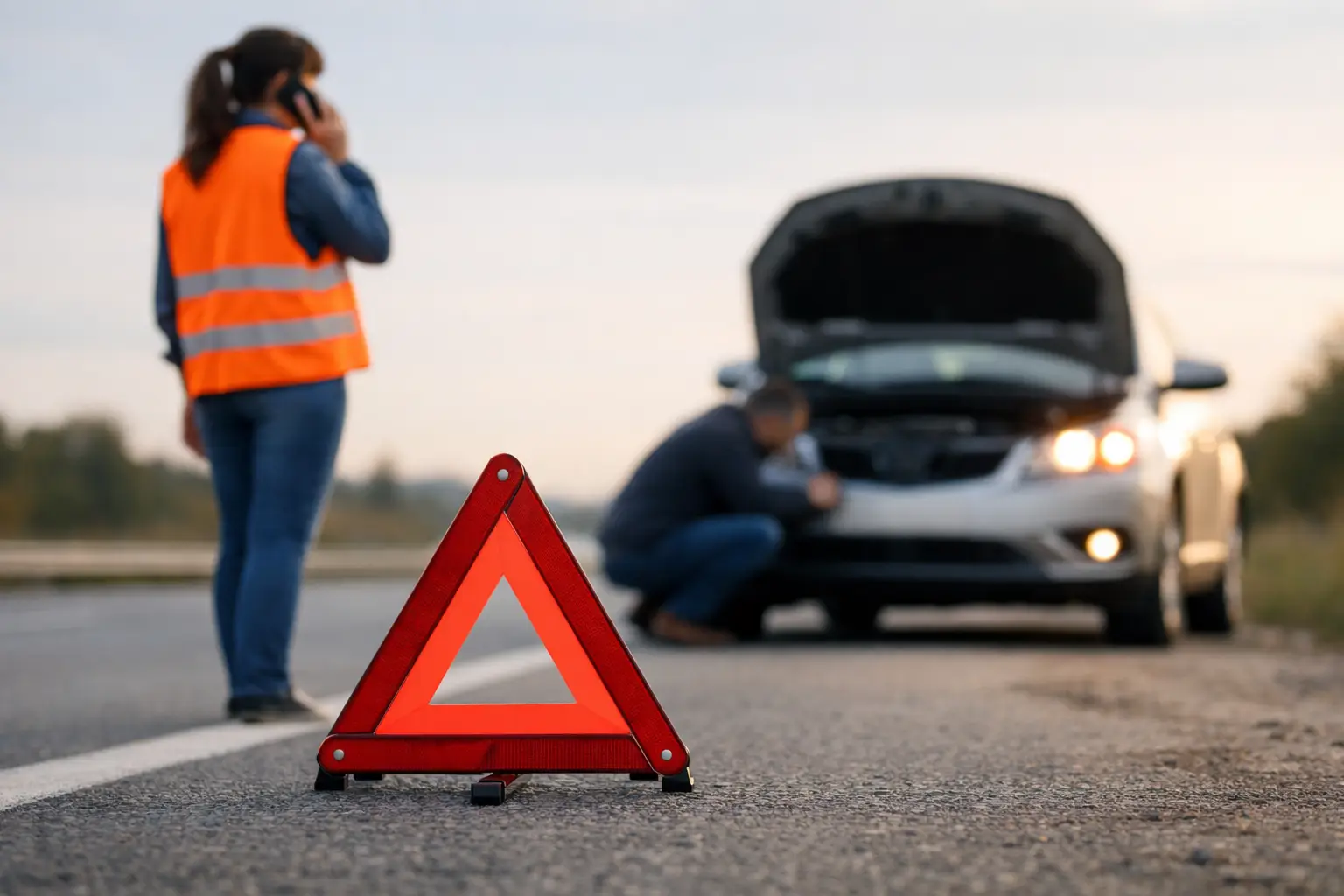
A breakdown rarely happens at a convenient time. It happens on the way to work, with kids in the back seat, late at night, or in bad weather when stress climbs fast. Knowing how to handle a roadside breakdown can keep a frustrating situation from turning into a dangerous one.
The first priority is not fixing the vehicle. It is protecting yourself, your passengers, and everyone else on the road. That means thinking clearly, getting out of traffic if you can, and avoiding rushed decisions that put you at risk.
How to handle a roadside breakdown in the first few minutes
If you notice warning signs like a sudden loss of power, smoke, overheating, a flat tire, strange noises, or steering problems, ease off the gas and stay calm. Turn on your hazard lights right away so other drivers know something is wrong. Then guide your vehicle to the safest available spot, such as the shoulder, a parking lot, a wide turnout, or a side street.
If the vehicle still moves, try not to stop around blind curves, narrow bridges, or busy intersections. A little extra distance can make a big difference in visibility and safety. If your car will not move at all, keep the hazards on and stay aware of traffic around you.
Once stopped, put the vehicle in park, set the parking brake, and turn the wheels away from traffic if you are on a shoulder. At night, keep your interior lights on if it helps responders spot you, but do not do anything that drains a weak battery more than necessary.
Stay in the vehicle or get out
This depends on where you are stopped. If you are on a busy road, freeway shoulder, or a place with fast-moving traffic, staying inside the vehicle with your seat belt on is often the safer choice. Passing traffic can be more dangerous than the breakdown itself.
If you are in a safer area away from moving traffic, such as a parking lot or a wide roadside area, getting out may make sense, especially if there is smoke, fire risk, or another obvious hazard. If you do exit, use the side away from traffic and move well clear of the road.
There is no single rule that fits every breakdown. The best decision depends on traffic speed, road width, weather, visibility, and the condition of your vehicle.
When the situation is more urgent
Call 911 right away if your vehicle is in a travel lane, someone is injured, there is a crash, you smell fuel strongly, see flames, or feel unsafe because of your location or another person nearby. Roadside help is for breakdowns. Emergencies need emergency response first.
Make yourself easier to see
Visibility matters, especially in rain, fog, darkness, or heavy traffic. Hazard lights are the starting point, but not the only step. If you have reflective triangles or road flares and it is safe to place them, use them to alert approaching drivers. Do not walk into traffic to set them out.
If you carry a reflective vest, put it on before stepping outside. Bright clothing helps, but reflective gear is much more effective at night. A flashlight is also useful, though you should avoid standing where drivers may mistake you for someone directing traffic.
Good visibility is especially important in places like Gresham and Troutdale during wet weather, when stopping distance gets longer and shoulders can be slick. Drivers may not spot a disabled vehicle as quickly as you expect.
Call for help with the right information
When you call roadside assistance or a towing company, clear details help speed up the response. Start with your exact location. Look for mile markers, cross streets, exit numbers, nearby businesses, or landmarks. Saying "I'm on the highway" is not enough when you need fast help.
Then describe the vehicle and the problem. Mention the make, model, color, and whether it is a car, truck, trailer, or motorcycle. Explain what happened in simple terms, such as "flat tire," "won't start," "engine overheated," or "I was in an accident and need towing." If the vehicle is stuck in a difficult position, say that too.
If you are calling a local company like Tow Guys LLC, this information helps the dispatcher send the right equipment the first time. That can save valuable time when you are stranded.
What to do while you wait
Keep your phone charged as much as possible. If the battery is low, limit calls and avoid scrolling or streaming. Texting your location to a family member is smart, especially if you are alone.
Stay aware of your surroundings. Keep doors locked if the area feels isolated. If someone stops to help, you do not need to open the door right away. You can crack the window and let them know help is already on the way.
If weather is extreme, balance comfort with safety. In cold weather, run the engine only if the vehicle is safe to operate and there is no sign of exhaust issues. In hot weather, crack windows if needed, stay hydrated, and avoid standing on pavement near traffic for long periods.
Should you try to fix it yourself?
Sometimes yes, but only if the problem is minor and the location is safe. A flat tire in your driveway is one thing. A flat tire inches from freeway traffic is something else entirely.
Simple issues like a dead battery, empty gas tank, or tire change may be manageable if you have the tools, know what you are doing, and can work far from moving vehicles. But if you are unsure, physically unable, on uneven ground, or in a dangerous location, it is better to wait for professional roadside assistance.
Trying to save a few minutes can lead to injury, vehicle damage, or getting stranded longer. There is no shame in choosing safety over a roadside repair.
Common breakdown mistakes to avoid
One of the biggest mistakes is staying in a bad spot when the vehicle can still roll somewhere safer. If it moves, use that last bit of momentum wisely. Another common mistake is standing too close to traffic while checking the problem. Drivers drift more often than people realize.
It is also a mistake to accept every offer of help without caution. Most people mean well, but your safety comes first. Keep communication brief and controlled if you are unsure.
And do not forget to watch for warning signs after the vehicle stops. Smoke, leaking fluids, and a burning smell can signal a bigger issue. In those cases, keep your distance and wait for trained help.
What to keep in your vehicle before a breakdown happens
Preparation makes stressful moments easier. A basic roadside kit should include a flashlight, phone charger, reflective triangles, jumper cables, bottled water, a first aid kit, and a blanket. If you drive longer distances or travel with children, keeping snacks and weather gear in the vehicle also helps.
It is also smart to keep your spare tire, jack, and lug wrench checked from time to time. Many drivers assume those tools are ready until they need them and find a flat spare or missing equipment.
Paperwork matters too. Keep registration, insurance information, and an emergency contact accessible. When people are stressed, small details become hard to track down.
If the breakdown follows an accident
A vehicle that breaks down after an accident needs extra caution. Even if the damage looks minor, the car may not be safe to drive. Turn on hazards, check for injuries, and call emergency services if needed. Do not stand between vehicles or stay in a risky traffic position to inspect damage.
If the car needs to be moved, let trained professionals handle recovery and towing. Hidden damage to steering, suspension, or leaking fluids can make a short drive much riskier than it seems.
A calm plan is your best tool
The best way to handle a roadside breakdown is to think in order: get safe, get visible, get help, and wait smart. You do not need to know everything about cars to make good decisions under pressure. You just need a simple plan and the willingness to put safety first.
A breakdown can throw off your whole day, but it does not have to put you or your family in danger. Stay calm, trust the basics, and when the situation calls for help, reach out sooner rather than later.
Need a tow in Gresham or East County? Call Tow Guys 24/7 at (971) 222-7994.