
How to Call a Tow Truck the Right Way
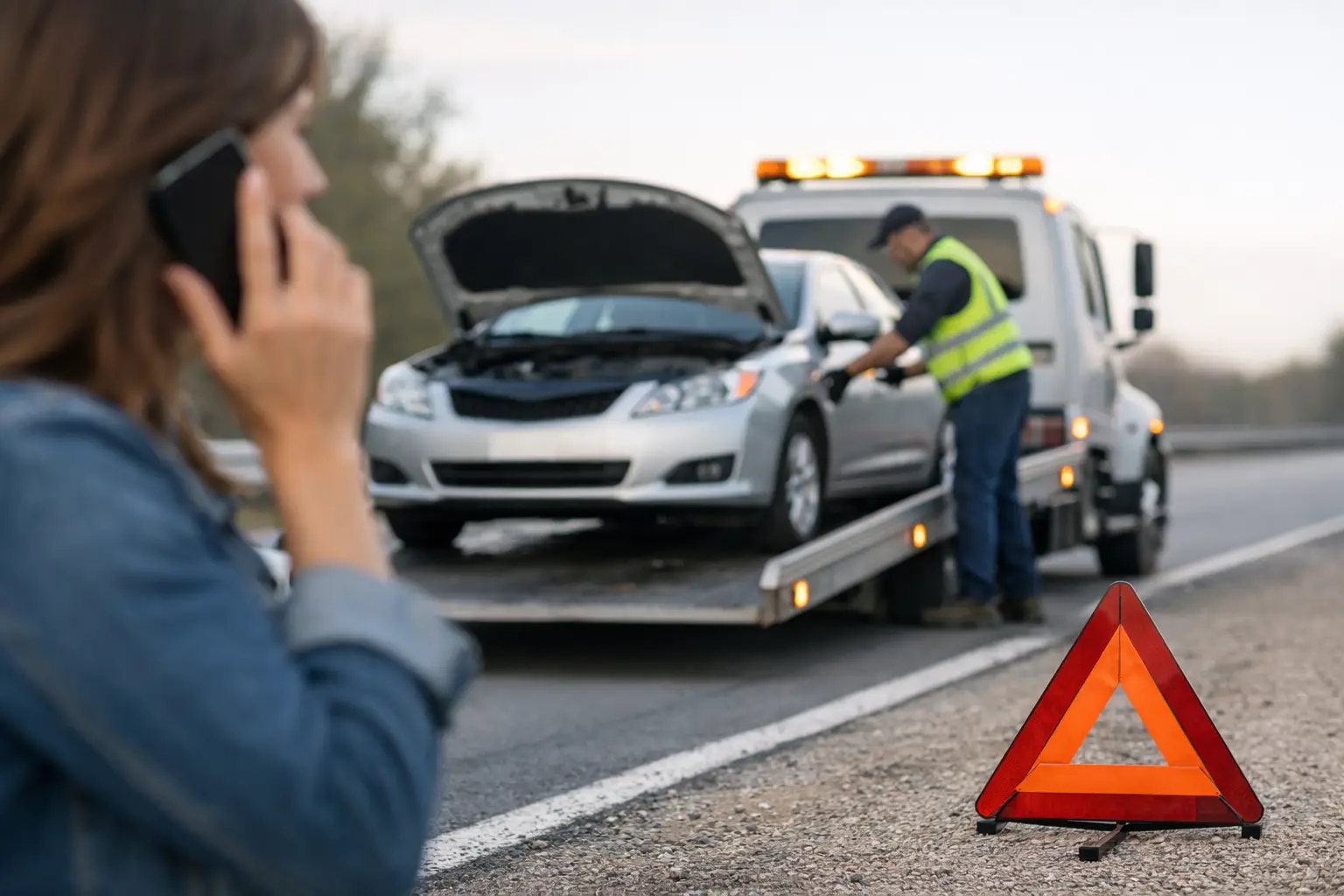
A breakdown rarely happens when you have time to think. It happens in traffic, in the rain, late at night, or when your kids are in the back seat and your phone battery is low. If you need to know how to call a tow truck, the goal is simple - stay safe first, then give clear information so help can get to you fast.
The good news is that you do not need to know much about cars to make the right call. You just need to explain what happened, where you are, and what kind of vehicle needs help. A good towing company will take it from there.
Before You Call a Tow Truck, Get to Safety
If your vehicle is still moving, try to pull as far off the road as you safely can. Turn on your hazard lights right away. If you are on a busy road or shoulder, stay inside the vehicle with your seat belt on unless it is unsafe to do that. If you smell fuel, see smoke, or believe the vehicle could be hit, move to a safer spot away from traffic.
This part matters more than most drivers realize. People often focus on the car and forget that the real emergency is exposure to traffic. A tow truck can deal with a disabled vehicle. Your first job is to avoid becoming part of a bigger accident.
If you are in a crash with injuries, call 911 first. If law enforcement is needed at the scene, handle that before arranging a tow unless the dispatcher tells you otherwise.
How to Call a Tow Truck Without Delays
When you make the call, stay calm and speak plainly. You do not need to diagnose the problem. In fact, guessing can sometimes slow things down. It is better to describe symptoms than to act certain if you are not.
Start with your exact location. An address is best, but many breakdowns happen where there is no street number in sight. In that case, use nearby cross streets, mile markers, highway exits, landmarks, or business names. If you are using your phone map, look for the pin location and read it carefully. In an area like Gresham or Troutdale, the difference between a frontage road and a nearby highway lane can affect how quickly a driver reaches you.
Next, explain the situation in simple terms. Say whether the car will not start, has a flat tire, ran out of gas, was in an accident, or is stuck in a parking garage, driveway, ditch, or mud. If the steering is locked, a wheel is damaged, or the vehicle cannot roll freely, say that too. Those details help dispatch send the right truck and equipment the first time.
Then give the vehicle information. The year is helpful if you know it, but the basics matter most: make, model, color, and whether it is a car, SUV, pickup, van, motorcycle, or trailer. If you have a larger truck, a lowered car, all-wheel drive, or a motorcycle, mention it. Not every recovery is handled the same way.
What the Tow Company Will Usually Ask
Most calls move quickly when the answers are ready. Expect questions about your location, your phone number, the vehicle type, and the reason for service. You may also be asked where you want the vehicle taken.
If you do not know the repair shop yet, that is okay. Say so. Some drivers panic because they think they need every detail before calling. You do not. A reliable dispatcher can still start helping you.
You may also be asked whether anyone is injured, whether the vehicle is blocking traffic, or whether police are on scene. These are not small details. They help prioritize urgent situations and determine what type of response is needed.
Questions You Should Ask When Calling
A tow request goes smoother when you ask a few practical questions up front. Ask for the estimated arrival time, the type of service being dispatched, and where your vehicle can be taken. If your issue might be solved without towing, ask whether roadside help is possible first.
That last point can save time and money. A dead battery, empty gas tank, lockout, or some flat tire situations may not need a full tow at all. On the other hand, if the vehicle was in a collision or has mechanical damage, towing may be the safer choice.
It is also fair to ask about pricing. A professional company should be able to explain the base service and any factors that could affect the total, such as distance, recovery difficulty, after-hours timing, or special equipment. The cheapest quote is not always the best one if it leaves out important details or comes with long delays.
Information That Helps the Driver Find You Faster
Once the tow is dispatched, keep your phone nearby. If the driver calls with a question and cannot reach you, arrival can be delayed.
It also helps to make your vehicle easy to spot. Keep hazards on if it is safe, and at night use interior light if needed. If you are in a crowded lot, tell the dispatcher what is nearby, such as a grocery store entrance, gas station sign, or the side of the building you are parked on. If your car is in a garage with height restrictions, mention that right away. That can change which truck is sent.
Small details can make a big difference. A vehicle parked "behind the apartments" sounds simple until the driver arrives and there are four entrances and two separate lots.
When You May Not Need a Full Tow
Some drivers assume every breakdown means a tow truck in the traditional sense. But roadside service may be the better option depending on what happened. If the battery is dead, you may only need a jump-start. If you ran out of gas, fuel delivery could get you back on the road. If the vehicle will not start but the issue is minor, a technician may be able to help without moving the vehicle.
Still, there are cases where towing is clearly the right call. After an accident, with major engine trouble, overheating, broken suspension, severe tire damage, or anything that makes the vehicle unsafe to drive, it is better not to push your luck. Trying to limp the car home can turn a manageable problem into a much more expensive one.
Common Mistakes People Make
The biggest mistake is waiting too long to call. Some people hope the car will restart after ten more tries or assume a friend can handle it. Meanwhile, they are stranded in an unsafe place, losing battery power on their phone, and making a stressful situation harder.
Another common mistake is giving a vague location. "I am on the side of the road near the freeway" is usually not enough. Be as specific as possible, even if you need a minute to check your map.
Drivers also forget to mention vehicle complications. If your car is all-wheel drive, if the keys are lost, if it is stuck in mud, or if it has major front-end damage, say it clearly. Those details affect how the vehicle should be handled.
Finally, do not assume every company offers the same level of care. Fast answers, clear communication, and experienced local operators matter, especially when you are stressed and need help now.
How to Make the Whole Process Easier
If you want one simple rule for how to call a tow truck, it is this: focus on safety, location, and clear facts. You do not need the perfect explanation. You just need enough good information for the right help to be sent.
It also helps to think one step ahead. Know where you want the vehicle taken if possible. Keep your registration and ID accessible. If you have passengers, make sure they are safe and know the plan. If weather is bad, stay warm or cool while you wait. These small steps bring order to a situation that often feels chaotic.
At a moment like this, people are not looking for a big speech. They want someone to answer, understand the problem, and show up ready to help. That is what good local service is supposed to feel like. If you ever need roadside help in the Gresham area, Tow Guys LLC is built around exactly that kind of response - quick, professional, and calm when you need it most.
A roadside problem can throw off your whole day, but it does not have to throw you off balance. Make the call, give clear details, and let trained help take it from there.
Need a tow in Gresham or East County? Call Tow Guys 24/7 at (971) 222-7994.