
How Roadside Assistance Works When You Need It
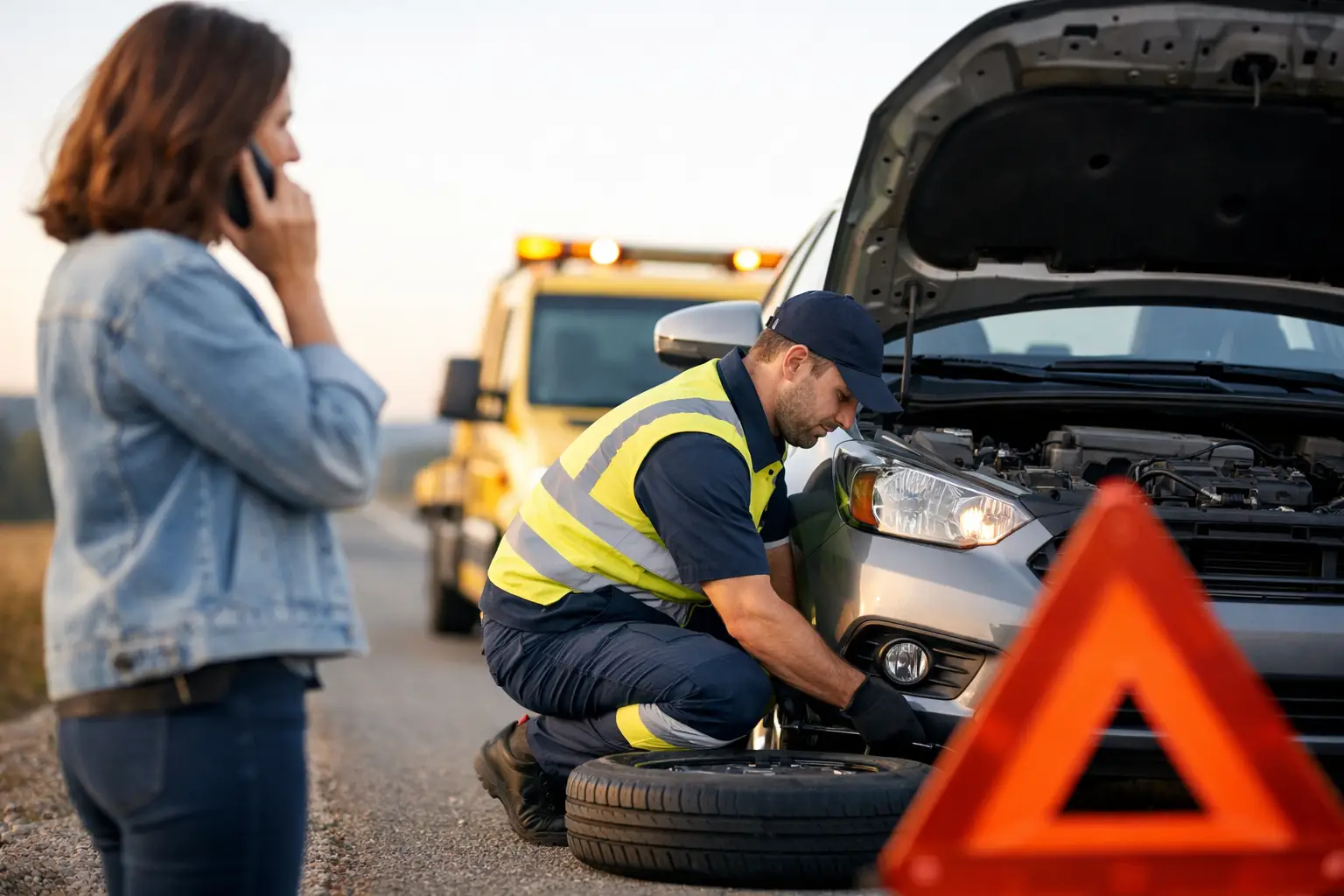
A flat tire on a busy road, a dead battery before work, or an empty gas tank farther from home than you thought - this is usually when people start wondering how roadside assistance works. The short answer is simple: you call for help, share your location and vehicle issue, and a trained technician comes out to either fix the problem on the spot or tow your vehicle somewhere safe. The real value is not just the service itself. It is having someone respond quickly, keep the situation under control, and help you make the next right move.
How roadside assistance works step by step
Most roadside calls follow the same basic process, even though every breakdown is a little different. First, the driver reaches out and explains what happened. That might be a vehicle that will not start, keys locked inside, a tire blowout, a fuel problem, or damage after a minor accident.
Next comes dispatch. The company gathers the details that matter most, including your exact location, the type of vehicle, whether you are in traffic or parked safely, and what symptoms the vehicle is showing. This part matters because the right information helps send the right truck, equipment, and technician the first time.
After that, help is dispatched to you. When the technician arrives, they assess the situation in person. Sometimes the problem can be handled right there on the roadside. Other times, the safest option is moving the vehicle off the road and towing it to a repair shop, your home, or another approved destination.
The final step is getting you back to safety. That might mean a jump-start and a quick drive away, a tire change so you can continue your trip, or a tow because driving the vehicle any farther could cause more damage.
What roadside assistance usually includes
Roadside assistance is not one single service. It is a group of emergency vehicle services designed to help when your car cannot be driven safely or normally. The exact services can vary by provider, but most calls fall into a few common categories.
Battery service is one of the most frequent. If your vehicle will not start, a technician may test the situation and provide a jump-start. In some cases, the battery is not the issue at all. A bad starter, alternator problem, or another electrical fault can look similar at first, which is why an on-site check matters.
Flat tire service is another common call. If you have a usable spare, the technician may be able to install it on the spot. If the tire is badly damaged, the spare is missing, or the wheel itself has been compromised, towing may be the better choice.
Lockout service helps when keys are left inside the car or lost in a way that leaves you stranded. Fuel delivery helps when you run out of gas and cannot safely reach a station. Winch-out or recovery service may be needed if your vehicle is stuck in mud, a ditch, or another difficult spot. And of course, towing is the service people think of most when the vehicle cannot be made drivable at the scene.
When a roadside issue can be fixed on the spot
A good roadside technician will always look for the safest practical fix before recommending a tow. That can save time, reduce stress, and get you moving faster. A simple dead battery, an empty gas tank, or a standard tire change are all situations where roadside help may solve the problem right where you are.
But there is always some judgment involved. A temporary fix is not the same as a full repair. If a battery accepts a jump but dies again shortly after, you may still need shop service. If a spare tire is installed, you should still treat it as a short-term solution rather than regular driving equipment.
That is one reason roadside assistance works best when the technician is honest about what the vehicle can safely do next. Fast service matters, but clear advice matters too.
When towing is the better option
Not every breakdown should be handled on the shoulder of the road. In some cases, trying to keep driving can make things worse. Overheating, brake problems, steering issues, heavy collision damage, transmission failure, or a vehicle that makes loud mechanical noises are all signs that a tow may be the safer call.
Location also matters. A minor problem in a quiet parking lot is very different from the same problem on a narrow roadside with fast traffic nearby. If the environment is unsafe, roadside assistance may focus first on getting the vehicle removed from danger.
That is where a local, experienced operator makes a difference. A company that understands the roads, traffic patterns, and common trouble spots around Gresham can often respond with the right equipment and a more practical plan from the start.
What to expect when you make the call
If you have never needed roadside help before, the call itself can feel stressful. Most of the time, though, the process is straightforward. Be ready to share your location as clearly as possible, along with your vehicle make and model, what happened, and whether you are in a safe place.
It also helps to mention details people forget. Are you towing a trailer? Is the vehicle a motorcycle or light truck? Was there an accident? Is the car stuck off the road? These details affect the kind of help that needs to be sent.
You may also be asked whether the vehicle will roll, whether the steering works, or if any warning lights came on before it stopped. You do not need to diagnose the problem yourself. Just describe what you saw, heard, or smelled. Good dispatchers use that information to prepare the technician before arrival.
Safety comes first while you wait
Roadside assistance is about more than fixing vehicles. It is also about reducing risk during a stressful moment. If your car can be moved, get it to a safe location away from traffic. Turn on your hazard lights. Stay inside the vehicle if that is safer than standing near moving traffic, especially on busy roads or in low visibility.
If you are in a dangerous position and cannot move the vehicle, call emergency services first when needed. Roadside support and emergency response serve different purposes, and sometimes both are appropriate.
This is especially important for families with children, older drivers, or anyone stranded at night. A calm, professional roadside response can make a bad situation feel much more manageable, but personal safety should always lead the decision.
How roadside assistance works with different vehicle types
Not every vehicle can be handled the same way. A compact car with a dead battery is one thing. A pickup truck, motorcycle, or trailer setup can require different equipment and loading procedures.
That is why vehicle details matter during dispatch. Some roadside companies are set up for standard passenger vehicles only. Others can handle a wider range of vehicles, including motorcycles, trailers, and light trucks. If the vehicle is all-wheel drive, lowered, damaged, or carrying a load, that may affect whether it can be serviced on the spot or how it should be towed.
This is one of those situations where the cheapest option is not always the best option. Proper handling protects your vehicle from added damage and helps the job get done without delays.
Does roadside assistance cover everything?
It depends on who is providing it. Some drivers have roadside coverage through insurance, a vehicle warranty, or a membership program. Others call a local company directly when help is needed. The service itself may look similar, but response time, flexibility, and what is covered can vary.
Membership-based plans may limit towing distance or only include certain service types. Insurance-managed dispatch may route calls through a larger network instead of a nearby local operator. Direct local service can sometimes be faster and more personal, especially when you need immediate help and do not want to wait through a long claims process.
The key point is that roadside assistance is not only about having coverage on paper. It is about getting dependable help when your vehicle is disabled and you need a real person to show up.
Why local experience matters in a roadside emergency
When drivers call for help, they are not looking for theory. They want someone who answers, understands the urgency, and gets moving. That is why local roadside service often feels different. You are dealing with people who know the area, know the roads, and know how to handle the everyday problems drivers actually face.
For a family-owned company like Tow Guys LLC, that local piece matters. The job is not just clearing a vehicle. It is helping a neighbor through a stressful moment with speed, respect, and professional care.
If you ever need roadside help, the goal is simple. Stay safe, share accurate information, and let trained professionals decide whether your vehicle can be fixed where it sits or needs a tow. The best roadside assistance does more than solve a car problem. It gives you a clear next step when the day has gone sideways.
Need a tow in Gresham or East County? Call Tow Guys 24/7 at (971) 222-7994.