
How Much Distance Can Roadside Towing Cover?
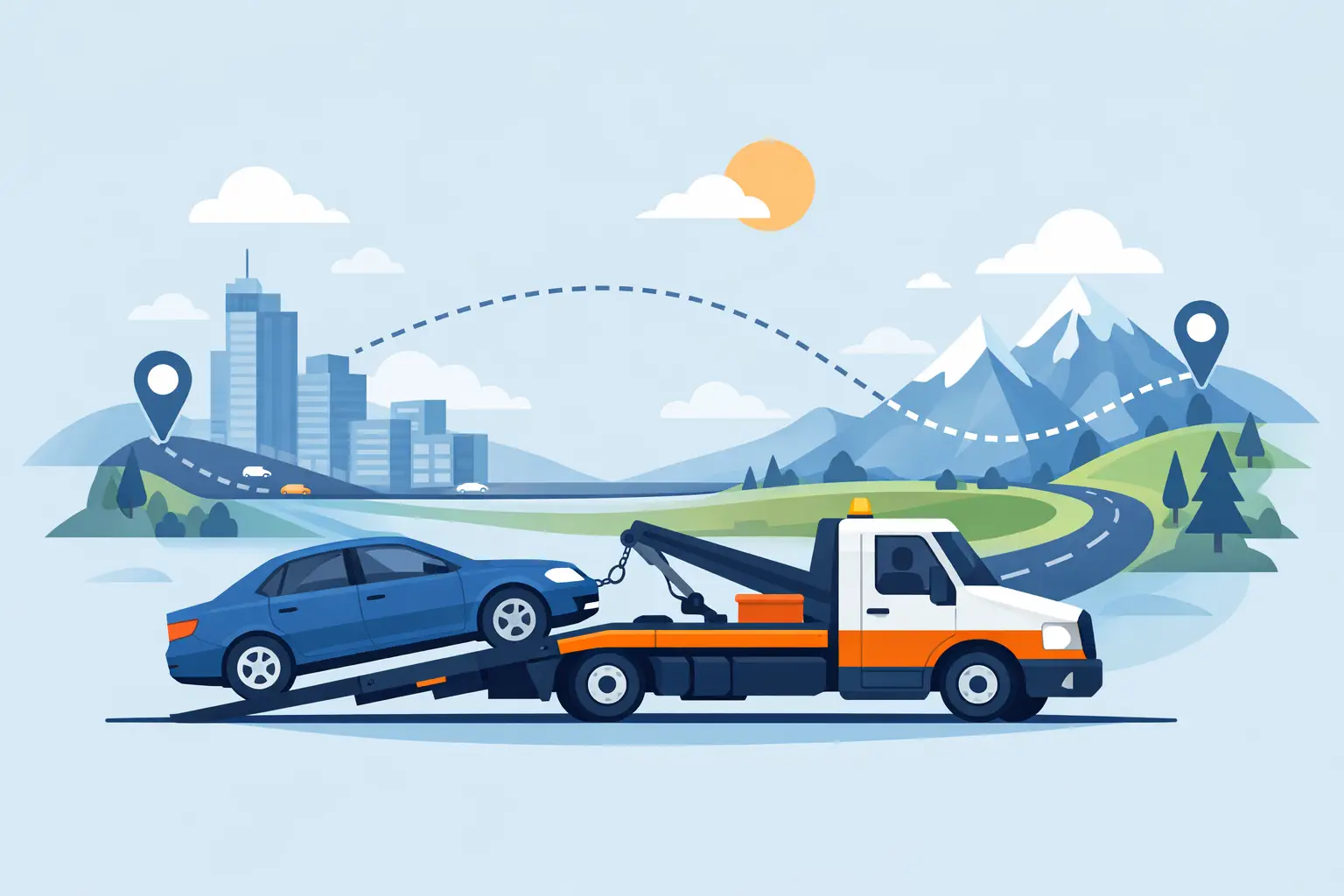
A breakdown rarely happens somewhere convenient. When your car will not start at home, quits on the road, or is unsafe to drive after an accident, the first practical question is often: how much distance can roadside towing cover? The honest answer is that it depends on who is arranging and paying for the tow, where the vehicle needs to go, and what kind of vehicle is involved.
A local towing company can often tow a vehicle well beyond a short roadside-assistance allowance. But insurance plans, auto-club memberships, and manufacturer programs may place a mileage cap on what they will pay. Knowing the difference helps you make a clear decision when you are already dealing with a stressful situation.
How Much Distance Can Roadside Towing Cover?
There is no single mileage limit for every tow. If you are using a roadside-assistance benefit, coverage may be limited to a set number of miles from the breakdown location. Some plans cover a short trip to the nearest qualified repair facility. Others provide a larger mileage allowance or one long tow per membership period. Once that covered distance is used, you may be responsible for the remaining mileage and related charges.
When you call a towing company directly, the available distance is usually based less on a fixed cap and more on logistics. A tow may be local, across the Portland metro area, or farther away if the truck, driver, destination, and schedule allow it. The dispatcher can explain what is possible and provide an estimate before the tow begins.
For a driver stranded in Gresham or Troutdale, the nearest repair shop may be the best destination. In other cases, you may prefer your trusted mechanic, your home, a dealership, or a body shop. The right destination is the one that keeps the vehicle secure and gets your next step moving without creating unnecessary expense.
The Difference Between Towing Coverage and Towing Capacity
People often use “coverage” and “capacity” as if they mean the same thing. They do not.
Coverage is the distance an insurance policy, membership, credit-card benefit, or vehicle warranty agrees to pay for. Check the terms of the program, not just the fact that roadside assistance is included. A plan that says “up to 15 miles” may pay for the first 15 miles only. It may also require the vehicle to be taken to the closest repair location rather than a shop you choose.
Capacity is what the towing provider can safely handle. A professional towing service may be able to transport cars, pickup trucks, motorcycles, trailers, and other vehicles using equipment suited to the job. The vehicle’s size, condition, drive type, clearance, and whether it has been damaged all matter. A damaged truck with locked wheels is not handled the same way as a sedan that simply has a dead battery.
Before authorizing service, ask whether the estimate covers the full trip, including loading, the destination distance, and any special recovery needs. Clear information at the start prevents surprises later.
What Determines the Cost of a Longer Tow?
Mileage is a major part of towing cost, but it is not the only factor. A straightforward tow from a safe parking lot generally takes less time and equipment than a recovery from a ditch, steep shoulder, busy intersection, or accident scene.
The time of day can affect availability and response planning. So can weather, road conditions, traffic, and the route to the destination. In the Gresham area, wet pavement, winter conditions, and heavily traveled roads can make safe loading and transport more complicated. Safety comes first, especially when a vehicle is stopped near moving traffic.
Vehicle type also matters. A motorcycle needs secure, purpose-appropriate handling. A trailer may require additional setup. A vehicle with accident damage may need dollies, winching, or other recovery equipment. Those details do not mean you should avoid calling for help. They simply mean the dispatcher needs accurate information to send the right truck and give you a realistic price.
When you call, be ready to share your exact location, vehicle make and model, destination, what happened, and whether the vehicle can roll and steer. If you are carrying a trailer or driving a larger truck, say so right away. A few clear details can save time at the roadside.
When a Shorter Tow Is the Smarter Choice
A longer tow is not always the best answer. If your roadside plan covers transport to a nearby repair facility and the issue is a common mechanical problem, using that covered distance can be the most cost-effective option. This is especially true when the shop can inspect the car promptly and arrange repairs.
A short tow also makes sense when the vehicle only needs to be moved to a safe place. For example, a car that will not start may need to go home overnight before you decide where to repair it. A vehicle with a flat tire or low fuel may not need a tow at all if roadside service can safely solve the issue where it sits.
That said, choosing the nearest shop is not always ideal. You may have a mechanic who knows your vehicle, a dealership that handles warranty work, or a body shop already involved after an accident. If a longer tow gives you a better repair outcome, it can be worth the added cost. The key is making that choice with the full price and distance explained upfront.
Situations That May Change the Destination
After an accident, the destination may be affected by police direction, the condition of the vehicle, insurance instructions, or whether the road needs to be cleared quickly. Do not assume you must decide everything while standing beside traffic. If it is safe to do so, ask where the vehicle is being taken and how you can retrieve personal belongings.
If your vehicle is under warranty, a manufacturer roadside program may direct it to an authorized dealership within a certain radius. If you are using insurance coverage, your insurer may have a preferred process for documenting the tow. You can still ask questions before agreeing to a destination, particularly if you have a trusted repair option in mind.
For non-emergency mechanical failures, you have more flexibility. You can compare the cost of towing to a nearby shop with the cost of transporting the vehicle farther. You can also ask whether a repair, jump-start, fuel delivery, tire change, or lockout service could get you moving without a tow.
Questions to Ask Before the Truck Arrives
A quick conversation with dispatch should leave you feeling more prepared, not more confused. Ask what distance is included in the quoted price, whether the estimate changes for after-hours service or difficult access, and whether there are additional charges for a non-running or damaged vehicle.
Also confirm the destination address. “The shop on the corner” can lead to a costly mistake if there are multiple locations or the business is closed. If you need the vehicle delivered after hours, make sure the facility accepts drop-offs and ask where it should be parked.
If a roadside-assistance plan is paying, ask the provider exactly how many miles are covered and what happens after that limit. Request a reference number if one is available. Then share that information with the towing dispatcher so everyone is working from the same details.
Put Safety Ahead of Mileage
When your vehicle stops in an unsafe location, the best tow destination is sometimes simply the first safe one. Move out of traffic if the vehicle can be moved safely. Turn on hazard lights, stay aware of passing vehicles, and avoid standing near the road. If you are on a busy highway or there is an injury, call emergency services first.
Do not drive a vehicle that has serious accident damage, overheating, a warning light paired with poor handling, smoke, or leaking fluid. Trying to stretch a few more miles can turn a manageable repair into more extensive damage or put people at risk.
Tow Guys LLC approaches these calls with the urgency they deserve: send the appropriate help, protect the vehicle, and give the driver a clear path forward. Whether the tow is a few miles to a nearby shop or a longer trip to the repair facility you trust, a professional plan begins with honest answers about distance, cost, and safety.
The next time your vehicle leaves you stranded, do not let uncertainty about towing mileage delay the call. Share the location, vehicle, and destination you have in mind, then let an experienced dispatcher help you choose the safest practical route from the roadside to the right place.
Need a tow in Gresham or East County? Call Tow Guys 24/7 at (971) 222-7994.