
Handling an Overheated Engine on the Road
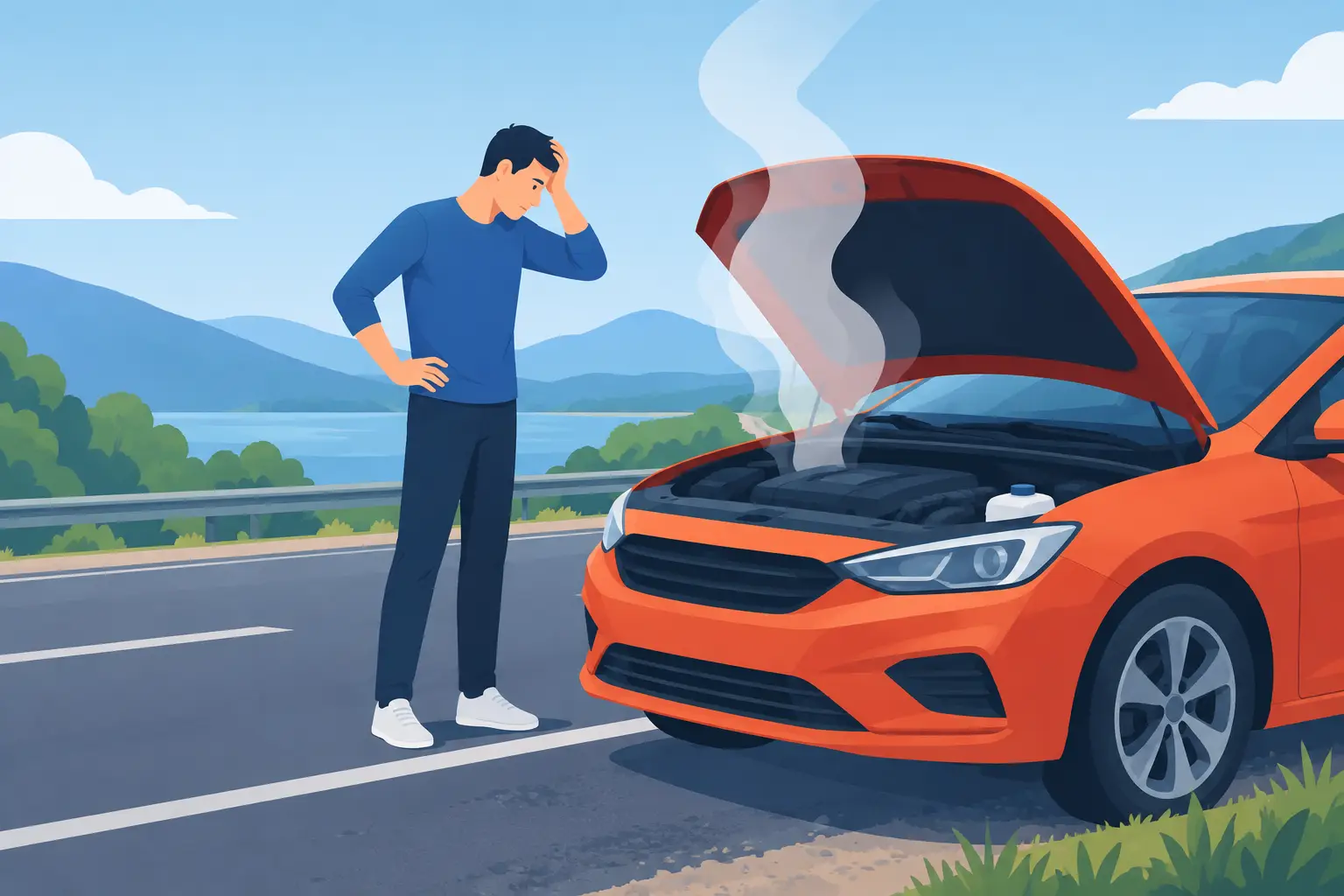
Steam rolling from under the hood, a temperature gauge climbing into the red, or a warning light appearing during traffic can turn a normal drive into a stressful moment fast. Handling an overheated engine calmly can protect you, your passengers, and your vehicle from much more serious damage. The main goal is simple: get out of traffic safely, stop driving, and let the engine cool before anyone opens the hood or checks fluids.
For drivers in Gresham, Troutdale, and the surrounding area, an overheated vehicle can be especially difficult when you are on a busy road, stuck in stop-and-go traffic, or traveling with children. Knowing what to do in the first few minutes helps you make a safer call.
How to Handle an Overheated Engine Safely
The moment you see the temperature gauge rising unusually high, receive an engine-temperature warning, smell something sweet or burnt, or notice steam, reduce the load on the engine. Turn off the air conditioning, which makes the engine work harder. If you are still moving and can do so safely, turn the heater on high with the fan running. It may be uncomfortable, but the heater can pull some heat away from the engine while you find a safe place to stop.
Do not try to push through another few miles if the gauge is in the red or steam is coming from the vehicle. Pull into a parking lot, wide shoulder, or other safe location as soon as possible. Avoid stopping in a travel lane unless the vehicle will not move safely. Turn on your hazard lights, put the vehicle in park, and shut off the engine.
If you are on a narrow road, freeway shoulder, or another location where getting out is unsafe, stay buckled inside with the doors locked and call for help. Your safety comes before inspecting the vehicle.
Never open a hot radiator cap
This is the mistake that can cause serious burns. The cooling system is pressurized when hot, and removing the radiator cap too soon can release boiling coolant and steam without warning. Do not touch the radiator cap, coolant reservoir cap, hoses, or other components under the hood while the engine is hot.
Wait at least 30 minutes before checking anything, and longer if the vehicle was heavily overheated or is still steaming. Conditions vary by vehicle and weather, so there is no reason to rush this step. If steam continues after the engine is off, keep your distance and call roadside assistance.
Once the engine has had time to cool, you can carefully open the hood if it is safe to do so. Stand to one side rather than directly in front of it. Opening the hood allows trapped heat to escape, but it does not mean the system is safe to touch right away.
What Causes an Engine to Overheat?
An engine relies on coolant, airflow, and several working parts to keep temperatures under control. A problem with any one of them can lead to overheating. Sometimes the cause is a small coolant leak. Other times, it may be a failed fan, broken belt, stuck thermostat, clogged radiator, damaged water pump, or an internal engine issue.
Low coolant is common, but it is not always the full explanation. Coolant does not usually disappear without a reason. A leak may be coming from a hose, radiator, reservoir, water pump, or another part of the cooling system. Adding fluid may temporarily raise the level, but it will not repair the source of the leak.
Hot weather, steep grades, towing a trailer, heavy loads, and stop-and-go driving can make a weak cooling system show its problem sooner. That does not mean the weather alone caused the issue. A properly functioning cooling system should be able to handle normal summer driving.
Can you add water or coolant?
Only consider adding fluid after the engine is completely cool, and only if you can safely identify a low coolant level in the overflow reservoir. Use the coolant type recommended for your vehicle whenever possible. If you are stranded and coolant is unavailable, clean water may be a temporary emergency measure for some vehicles, but it should not be treated as a permanent fix or mixed carelessly with unknown fluids.
Do not pour cold water into a hot engine or radiator. Rapid temperature changes can damage metal components, and opening a hot system can expose you to scalding liquid. If you are unsure what you are looking at, waiting for professional help is the better choice.
Should You Drive After the Engine Cools Down?
It depends on why the engine overheated, how hot it became, and whether coolant has leaked out. If the gauge rose slightly in traffic, returned to normal after cooling, and there are no visible leaks or warning lights, you may be tempted to continue. That is still a risk. The underlying issue can return quickly, often when you are farther from a safe place to stop.
Do not drive if you see a puddle of coolant, smell strong coolant odor, hear unusual noises, find a broken belt, or notice the temperature gauge rises again shortly after restarting. Do not drive if white smoke comes from the exhaust, the engine runs roughly, or the vehicle has lost power. Those signs can point to a problem beyond a simple low-fluid situation.
Repeated overheating can warp engine components, damage gaskets, and turn a manageable repair into a major one. A tow is often less expensive than the damage caused by trying to drive an overheating vehicle home, to work, or to the nearest shop.
When Roadside Help Is the Safer Choice
Call for roadside assistance or a tow when the vehicle is steaming, cannot hold coolant, has overheated more than once, or is stopped in an unsafe place. It is also the right call if you are traveling with family, do not have the correct coolant, or are not comfortable checking under the hood.
A trained roadside professional can help assess the immediate situation and move the vehicle without asking you to gamble on another overheating episode. Tow Guys LLC provides prompt local towing and roadside support for drivers who need to get a disabled vehicle out of harm's way and transported safely.
When you call, share your location, the make and model of the vehicle, whether it is steaming, and whether you are in a safe place. Let the dispatcher know if you are towing a trailer, driving a truck, or need room for passengers. Clear details help get the right assistance to you faster.
Avoid These Common Mistakes
Do not keep driving just because the warning light disappeared for a minute. Do not pour coolant into a hot engine, remove the radiator cap, or put your hands near belts and fans. Electric cooling fans can activate unexpectedly, even after the engine has been shut off.
It is also wise not to rely on the temperature gauge alone. A sweet smell, visible leak, steam, or reduced heater performance can signal trouble before the gauge reaches the red zone. Pay attention early, particularly before a long drive or when hauling a load.
A Small Check Can Prevent a Big Roadside Problem
Check coolant levels periodically when the engine is cold, especially before summer travel, mountain driving, or towing. If your vehicle has needed coolant more than once, schedule an inspection instead of continuing to top it off. Watch for drips under the vehicle and address temperature warnings as soon as they appear.
An overheated engine is not the moment to prove how far a vehicle can go. Pull over safely, give the engine time to cool, and get help when the cause is unclear. That decision can protect your vehicle and get you back to your day with far less stress.
Need a tow in Gresham or East County? Call Tow Guys 24/7 at (971) 222-7994.