
A Guide to Trailer Towing Support When You Need Help
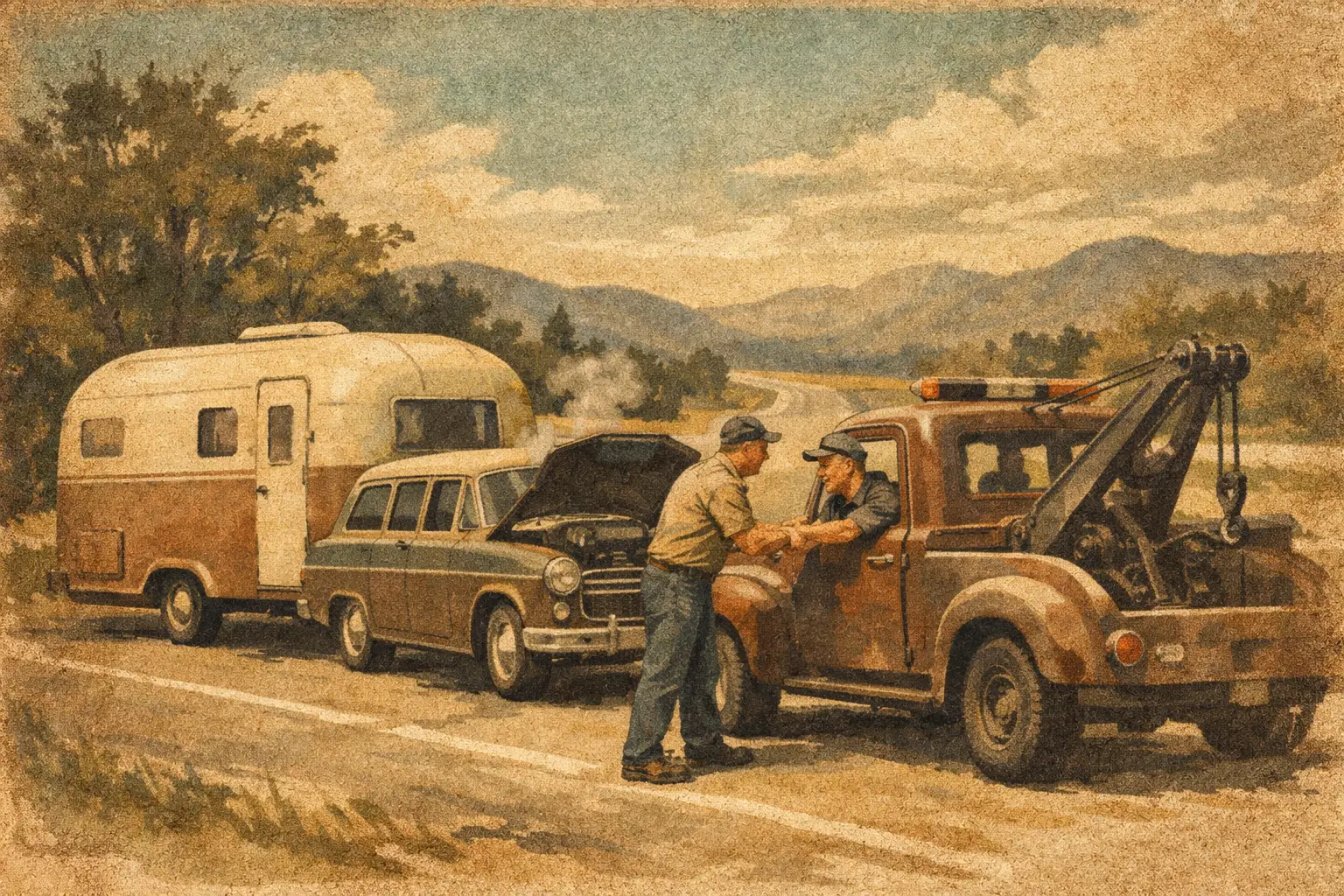
A trailer problem can turn a normal drive into a dangerous roadside situation fast. This guide to trailer towing support is built for the moment when something feels wrong: a swaying load, a flat tire, a broken coupler, an overheated tow vehicle, or a trailer that simply cannot move safely. The right response is not always to keep going. Often, the safest decision is to stop, protect the scene, and get experienced help.
Whether you are hauling a utility trailer, a camper, equipment, a boat, or a motorcycle trailer, the basics are the same. Your tow vehicle, hitch setup, trailer weight, tires, lights, and load all have to work together. When one part fails, the risk reaches everyone sharing the road.
What Trailer Towing Support Really Means
Trailer towing support is more than putting a disabled vehicle on a tow truck. It can include roadside assessment, helping secure an unsafe load, recovering a trailer after an accident or breakdown, transporting a trailer that cannot be safely pulled, and arranging the right equipment for the size and condition of the trailer.
The right kind of help depends on what happened. A trailer with a flat tire in a safe parking lot may need a simple tire change if you have the proper spare, tools, and stable ground. A trailer with damaged wheels, a bent axle, failed bearings, broken safety chains, or a loose load needs a more cautious plan. Trying to force it down the road can create further damage or cause a serious crash.
For drivers in Gresham and Troutdale, changing weather, busy routes, and limited shoulder space can make even a minor trailer issue more stressful. Professional support gives you a clear next step when conditions are not safe for roadside repairs.
When You Should Stop Towing Immediately
Some problems are warnings. Others mean your trip should end until the trailer is inspected or moved professionally. If the trailer begins to sway repeatedly, do not accelerate through it. Ease off the gas, keep the steering wheel steady, avoid sudden braking, and move to a safe location when possible.
Stop as soon as it is safe if you notice smoke near a wheel, a burning smell, unusual grinding, a tire separating, a wheel wobbling, or a trailer leaning noticeably to one side. These can point to bearing failure, brake trouble, suspension damage, or a tire issue that will worsen with every mile.
You should also stop if the hitch connection looks compromised. A loose coupler, damaged ball mount, broken pin, bent safety chain, or disconnected breakaway cable is not something to ignore until the next exit. The trailer must remain positively connected to the tow vehicle. If it cannot, it should not be moved by normal towing.
After a collision, do not assume the trailer is fine because it still rolls. Damage to the frame, axle, tongue, lights, or load restraints may not be obvious at first glance. A careful assessment can prevent a second incident after the first one.
A Guide to Trailer Towing Support at the Roadside
Your first job is to keep people safe, not to diagnose every mechanical issue. Pull as far from traffic as conditions allow, turn on hazard lights, and avoid standing between the trailer and passing vehicles. If you are on a narrow shoulder, blind curve, or high-speed road, stay away from traffic and call for help.
If the trailer is stable and you can safely inspect it, look for the obvious issue without crawling underneath or placing yourself in a pinch point. Check whether the load has shifted, whether a tire is flat or damaged, whether the hitch and chains remain attached, and whether there are leaks, smoke, or loose parts.
A few details make dispatching the right trailer towing support much easier. Be ready to explain:
- The trailer type, approximate length, and whether it is loaded
- What you are towing it with and whether the tow vehicle still runs
- The exact problem you can see or hear
- Whether the trailer is blocking traffic, on a shoulder, or in a safe location
- Any special cargo concerns, such as equipment, motorcycles, or a boat
Clear information helps a towing provider bring equipment suited to the situation instead of treating every trailer call like a standard passenger-car tow.
Why Trailer Weight and Load Balance Matter
Many trailer problems begin before the vehicle leaves the driveway. A trailer can be within its total weight rating and still tow poorly if the load is placed incorrectly. Too little tongue weight can contribute to sway. Too much tongue weight can overload the rear of the tow vehicle, reduce steering control, and strain the hitch.
Load heavier items low and centered, with enough weight forward of the trailer axle to maintain stable tongue weight. Then secure the load so it cannot move during turns, braking, or rough pavement. Straps, chains, tie-down points, and cargo placement should match what you are hauling.
Do not rely on a tarp, a loose rope, or the trailer sides to contain heavy cargo. If a load shifts, stop rather than trying to correct it at speed. A professional can help stabilize the situation and determine whether the trailer can be moved safely.
It also matters whether your tow vehicle is rated for the actual load, not just the empty trailer. Add the trailer's weight, cargo, fuel or water where applicable, tools, accessories, and passengers or gear in the tow vehicle. Being near or over a rating can make braking, handling, and mechanical trouble far more likely.
Equipment Problems That Need More Than a Quick Fix
A spare tire and basic tools are useful, but they do not solve every roadside issue. Trailer tires often fail because of age, low pressure, overloading, or damaged bearings. Replacing a tire is only reasonable when the trailer is stable, the replacement tire is properly inflated, the wheel hardware is intact, and the driver can work well away from traffic.
Wheel bearing trouble is different. If a hub is hot, smoking, noisy, or loose, installing a new tire will not fix the cause. Continuing to tow can damage the spindle, allow the wheel to separate, or start a fire. The trailer should be evaluated and transported as needed.
Electrical issues can also make a trailer unsafe. Brake lights, turn signals, running lights, and electric trailer brakes are not optional details when you are traveling with a load. If the wiring is damaged after a strike, a connector has failed, or the brakes are not responding, pulling over and arranging support is usually the better call.
Choosing the Right Towing Response
Not every towing method is appropriate for every trailer. A small empty utility trailer may be moved differently than a loaded equipment trailer, camper, or trailer with damaged running gear. The provider needs to account for length, weight, ground clearance, axle condition, cargo, and whether the tow vehicle is also disabled.
This is where experience matters. An improper connection or rushed recovery can damage the trailer frame, tongue, suspension, or cargo. It can also create a hazard during loading and transport. A reliable towing team will assess the trailer before moving it and use a plan that protects the equipment as much as possible.
Tow Guys LLC approaches roadside calls with the same practical focus: get the situation under control, treat people with respect, and move the vehicle or trailer safely. When you are already stressed, clear communication and prompt professional help make a real difference.
Preventing the Next Trailer Breakdown
Before each trip, take a few minutes to walk around the entire setup. Check tire pressure and tire condition, confirm the coupler is locked, verify the safety chains are crossed and secured, test the lights, inspect tie-downs, and make sure the breakaway cable is properly attached. Look under the trailer for hanging wires, fluid leaks, or damaged components.
For longer trips, stop after the first few miles and check the load and connections again. This is especially helpful after hauling a trailer that has been loaded in a hurry or parked for a long time. Watch for shifting straps, warm hubs, loose hardware, and changes in handling.
Keep your speed reasonable for the trailer, road surface, weather, and traffic. Extra speed reduces your margin for error when a tire fails, wind hits the trailer, or traffic suddenly slows. Giving yourself room to brake and avoiding abrupt steering inputs will protect the tow vehicle, trailer, cargo, and the people around you.
If your trailer no longer feels stable or safe, trust that instinct. Pull over when you can, keep the scene safe, and get the right support before a manageable problem becomes a dangerous one.
Need a tow in Gresham or East County? Call Tow Guys 24/7 at (971) 222-7994.