
Your Guide to Towing Light Trucks Safely
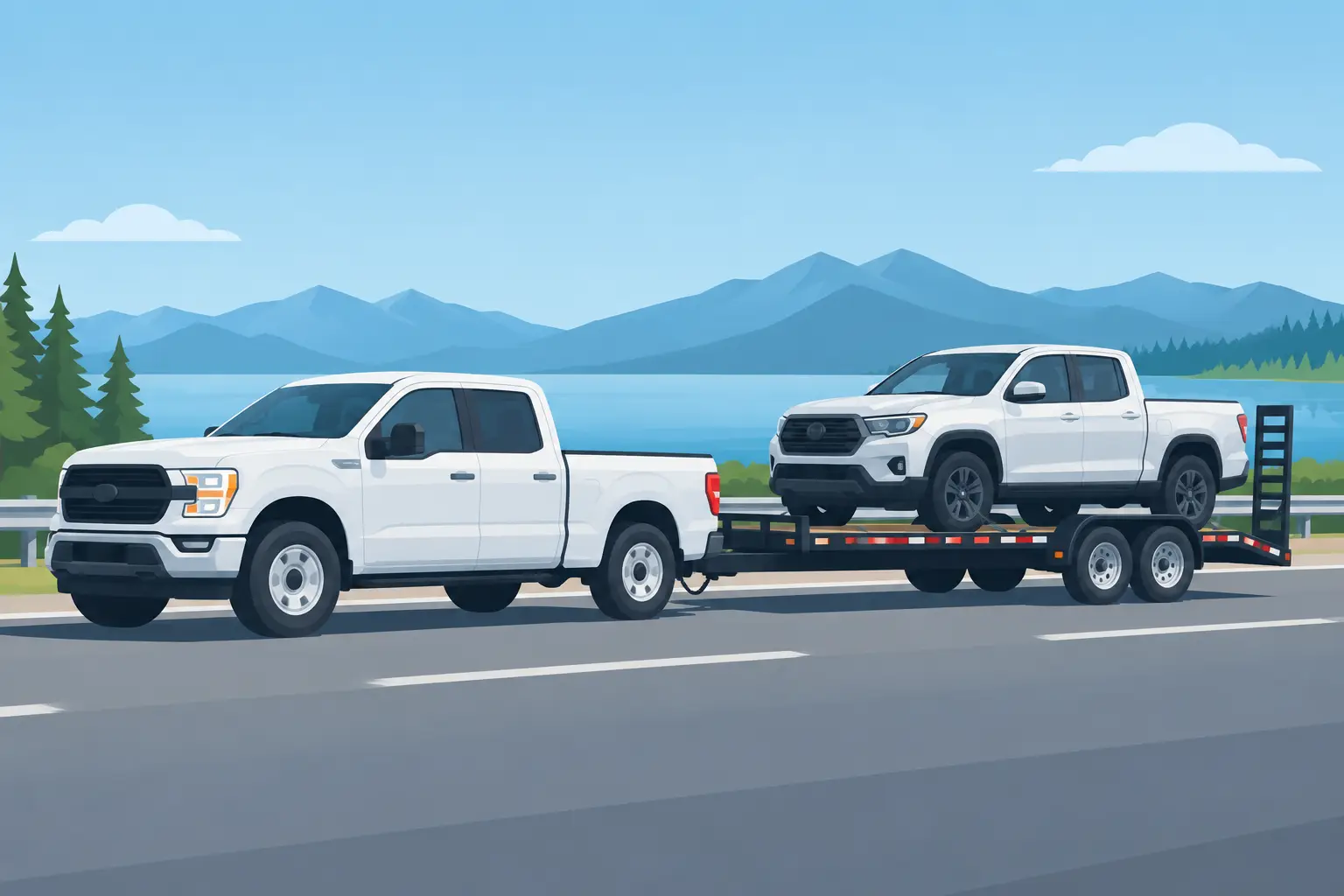
A light truck can look ready for anything - until it will not start, overheats on the shoulder, or is damaged in a collision. This guide to towing light trucks explains what drivers should do first, what information matters to a tow operator, and why the right equipment makes a real difference when your truck needs to be moved.
A pickup, small work truck, SUV-based truck, or light-duty commercial vehicle may be tougher than a passenger car, but it still has specific towing needs. Its weight, drivetrain, suspension, cargo, and towing attachments all affect how it should be loaded and transported. A quick decision made under stress can prevent further damage and help everyone get home safely.
Start With Safety, Not the Tow
If your light truck breaks down, your first job is to get yourself and your passengers out of danger. Turn on the hazard lights, pull as far from moving traffic as the truck can safely go, and avoid standing between your vehicle and the roadway. On a busy road, at night, or in poor weather, staying inside with your seat belt fastened may be safer than waiting outside.
Do not try to push a heavy truck from an active lane unless law enforcement or roadside professionals have made the area safe. A loaded pickup can weigh far more than it appears, and traffic conditions can change in seconds. If there is smoke, leaking fluid, a fuel smell, or damage after an accident, move away from the vehicle when it is safe to do so and call for emergency help.
Once you are in a safe place, take a breath and gather the details a towing company will need. Clear information helps the dispatcher send the right truck instead of guessing.
Information That Helps Get the Right Tow Truck
Light trucks are not all built the same. A two-wheel-drive compact pickup may be straightforward to tow, while a four-wheel-drive diesel truck with a loaded bed, trailer hitch, or mechanical damage may require a different setup.
When you call, be ready to share your exact location, the truck's year, make, and model, and whether it is two-wheel drive, four-wheel drive, all-wheel drive, or rear-wheel drive. Let the operator know whether the truck starts, rolls freely, has a flat tire, or is stuck in park. Mention any visible collision damage, leaking fluids, low clearance, oversized tires, aftermarket suspension, toolboxes, or cargo in the bed.
If you are connected to a trailer, say so right away. The truck and trailer may need separate handling, and a damaged trailer connection can complicate recovery. It also helps to tell the dispatcher where the truck needs to go, whether that is home, a repair shop, a dealership, or another safe location.
Why Drivetrain and Weight Matter
The biggest mistake people make is assuming every truck can be pulled the same way. Towing a vehicle with the drive wheels on the ground can damage the transmission, transfer case, driveshaft, or differential if it is not done according to the manufacturer's requirements.
For example, many four-wheel-drive and all-wheel-drive trucks need to be carried with all four wheels off the ground. A flatbed tow truck is often the safest choice because it keeps the vehicle fully supported and avoids drivetrain rotation during transport. Some rear-wheel-drive trucks can be towed from the front with the rear wheels raised, but that depends on the truck's condition and towing instructions.
Weight is just as important. A light truck can become much heavier with a loaded bed, contractor equipment, a snowplow, fuel tanks, or towing accessories. A professional operator considers the truck's actual condition before choosing equipment and securing it. This is not about using the biggest tow truck available. It is about using the right equipment and proper tie-down points for a controlled, damage-conscious tow.
Flatbed Towing Is Often the Safer Option
Flatbed towing is commonly preferred for light trucks because the truck is loaded completely onto the bed. This can be especially helpful after an accident, when a tire is damaged, when steering is compromised, or when the drivetrain should not turn.
It is not always the only workable option. In a tight parking garage, muddy shoulder, narrow road, or recovery situation, a wheel-lift or other specialized method may be necessary first. The right choice depends on the truck, the location, and the nature of the problem. What matters is that the operator evaluates the situation before hooking up.
Cargo Changes the Plan
Before your truck is moved, secure loose cargo whenever possible. Toolboxes, coolers, lumber, equipment, and unsecured items can shift during loading or transport. If the truck bed is heavily loaded, let the towing company know before they arrive.
Do not remove heavy items on the roadside if doing so puts you near traffic or creates another hazard. Your safety comes first. A trained operator can assess whether the load is secure and determine the safest next step.
What Not to Do When Your Truck Needs Towing
A friend with a tow strap may mean well, but improvised towing can quickly turn a manageable breakdown into expensive damage or a serious injury. Recovery straps, chains, and tow ropes are not a substitute for professional towing equipment, especially on public roads.
Avoid attaching a strap to a bumper, suspension part, trailer hitch ball, or any point that has not been designed for recovery. Those parts can bend, break, or come loose under load. Never allow someone to ride in a truck being pulled by a strap, and do not attempt a roadside tow through traffic, down a steep grade, or in low-visibility conditions.
You should also avoid repeatedly trying to start a truck with obvious mechanical trouble. If the engine is overheating, the oil pressure warning is on, the transmission is slipping, or there is a loud grinding noise, continued operation may make the repair more costly. Shut it down and arrange transport.
Prepare Your Truck for Pickup
Once help is on the way, there are a few simple steps that can make the process smoother. Put the truck in park if it will do so safely, set the parking brake unless the dispatcher tells you otherwise, and keep the keys available. Gather your personal belongings, work equipment, paperwork, and medications before the truck is loaded.
If you have wheel locks, an alarm system, a dead battery, or a key fob that is not working, tell the driver. If the truck is in a garage, on a steep driveway, or blocked by another vehicle, share that detail before arrival. A little preparation can prevent delays when time matters.
Take a few photos of the truck if it has collision damage or visible mechanical issues. This is useful for your own records, particularly if an insurance claim or repair estimate may follow. Then stay clear while the operator loads the vehicle. Towing professionals need room to work, and the safest place for customers is away from the cable, winch, wheels, and traffic.
When Roadside Service May Be Enough
Not every truck problem requires a tow. A dead battery, empty fuel tank, locked-out cab, or simple flat tire may be resolved with roadside assistance if the truck is otherwise safe to drive. However, a jump-start is not always the answer. If the battery is old, the alternator has failed, or the truck stalls again after starting, towing it to a repair facility may be the more dependable choice.
The same applies to a flat tire. If you have a usable spare, safe ground, and no damage to the wheel or suspension, a tire change may get you moving. If the truck is on a dangerous shoulder, has multiple damaged tires, or carries heavy cargo, calling for professional help is the safer call.
Local Help for a Stressful Moment
A breakdown can disrupt a workday, strand a family, or leave you worrying about your vehicle after dark. You do not need to solve every mechanical detail before calling for help. You only need to provide an honest picture of where you are and what happened.
For drivers in Gresham and Troutdale, Tow Guys LLC provides prompt towing and roadside assistance with the care you expect from a local, family-owned team. Whether your light truck needs a flatbed, a careful recovery, or a tow to the shop, the goal is simple: get you out of a difficult situation safely and treat your vehicle with respect.
When your truck is disabled, choose the safe option over the fast-looking shortcut. A professional tow may feel like one more interruption, but it can protect your drivetrain, prevent a roadside injury, and give you a clear next step when you need one most.
Need a tow in Gresham or East County? Call Tow Guys 24/7 at (971) 222-7994.