
A Practical Guide to Towing After a Crash
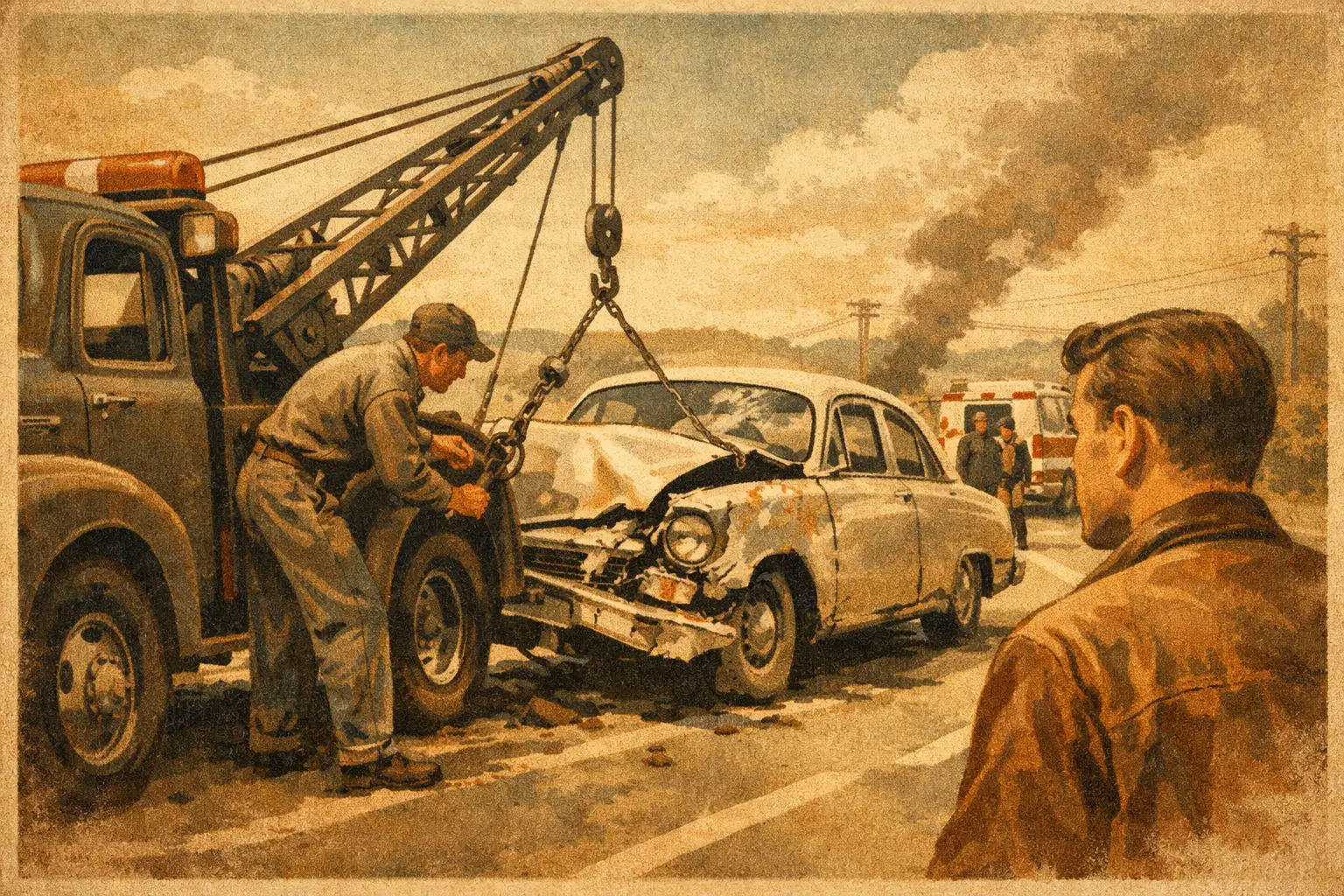
A crash can turn an ordinary drive into a blur of flashing lights, phone calls, and questions. This guide to towing after a crash gives you a clear next step: protect the people at the scene first, then make sure your vehicle is handled safely and by a towing company you trust.
Start With Safety, Not the Vehicle
If anyone may be hurt, call 911 right away. Do not move an injured person unless there is an immediate danger, such as fire, traffic, or another unsafe condition. Even a low-speed collision can cause injuries that are not obvious in the first few minutes.
If the vehicles can be moved and it is safe to do so, get them out of active traffic. Pull into a nearby parking lot, shoulder, or other safer area. If the vehicle cannot be driven, turn on your hazard lights, stay alert to passing traffic, and move yourself and your passengers to a safe location away from the roadway when possible.
A damaged vehicle may look drivable when it is not. A bent wheel, leaking fluid, loose bumper, damaged steering component, or deployed airbag can make driving dangerous. When there is any doubt, towing is the safer choice. Getting home or to a repair shop a little later is far better than risking a second crash.
What to Do Before the Tow Truck Arrives
Once the immediate danger has passed, take a few practical steps that can protect your insurance claim and help the tow go smoothly. Exchange information with the other driver, take photos of the vehicles and roadway, and note the location, time, weather, and any details you remember.
If police respond, ask how to obtain the report number or report instructions. Your insurer may need it. If law enforcement orders a vehicle removed, ask where it is being taken and which company is handling the tow. This is especially helpful if you are shaken up and cannot stay with the vehicle.
Before a tow truck arrives, gather your personal belongings. Remove your wallet, keys, phone chargers, work equipment, medications, garage opener, and any valuables. If the car is headed to a body shop or storage yard, you may not have immediate access to it later.
If you have time, keep these items handy:
- Your driver’s license, registration, and insurance information
- Photos of all visible damage, including the interior if airbags deployed
- The towing company’s name, truck number, and destination for your vehicle
- A copy of the tow authorization and any receipt you receive
Choose the Towing Destination Carefully
One of the most common questions after a collision is, “Where should my car go?” The answer depends on the vehicle’s condition, your insurance process, and the time of day.
If your insurer has already directed you to a specific repair facility, that may be the simplest option. Some drivers prefer to have the vehicle taken home first, especially when they need time to decide on a repair shop. That can work if there is a safe, legal place to park it and the damage is not creating a hazard.
A body shop is often the best destination when the damage is clear and the shop is ready to receive the vehicle. But do not assume every shop accepts after-hours drop-offs. Ask whether the shop is open, whether they have space, and where the tow operator should leave the keys.
Storage yards are sometimes unavoidable after a police-ordered tow or an after-hours crash. They can be useful in an emergency, but storage charges may add up quickly. Get the yard’s address, phone number, hours, and release requirements before you leave the scene. Call your insurance company as soon as you can to discuss the next move.
Ask the Right Questions Before Authorizing a Tow
A professional towing company should be able to tell you where the vehicle will go, how it will be secured, and what you can expect. You do not need to become an expert in towing equipment, but you should feel comfortable asking direct questions.
Confirm the destination address before the truck loads your vehicle. Ask whether the quoted price includes loading, mileage, after-hours service, or storage if applicable. If your car has all-wheel drive, is electric or hybrid, has severe wheel damage, or is a motorcycle, trailer, or light truck, mention it. Those details affect the safest towing method.
For example, many all-wheel-drive vehicles should be transported on a flatbed rather than pulled with two wheels on the ground. Electric vehicles may need extra care if the battery area is damaged. A motorcycle requires proper tie-down points and equipment designed to keep it upright and stable. The right tow is not simply about getting the vehicle off the road. It is about preventing additional damage while it is moved.
Protect Yourself From Unwanted Tows
After a crash, you may be approached by someone offering to tow your car before you have called for help. In a stressful moment, that offer can sound convenient. Still, take a breath before agreeing.
In some situations, a tow may be arranged by police or a roadway authority. If that is the case, ask for the company name and destination. If you are choosing the tow yourself, use a company you contact directly or one your insurance provider confirms. Be cautious with anyone who pressures you to sign paperwork quickly, will not clearly identify the destination, or cannot explain charges.
Do not sign a blank authorization form. Read what you are authorizing, including the vehicle destination and any storage terms. Keep a copy or take a photo of the signed paperwork. Clear information now can prevent frustrating calls and unexpected costs later.
Tell the Tow Operator What Happened
The tow operator needs a short, honest description of the damage. Point out leaking fluids, a wheel that will not turn, a broken axle, deployed airbags, or a car that will not shift into neutral. Mention if the vehicle went into a ditch, struck a curb, or has damage underneath.
This information helps the operator choose the right equipment and loading approach. It also protects your vehicle. Trying to force a badly damaged car onto a truck without understanding the condition can make the damage worse.
If possible, take a few photos as the vehicle is loaded. This is not about distrusting the driver. It simply gives you a record of the vehicle’s condition and can be useful when sorting out repairs or insurance questions.
Call Insurance, But Do Not Wait on Safety
Many insurance policies include roadside or towing coverage, and your insurer may reimburse an eligible tow. However, you do not need to wait in an unsafe location while you sort through coverage details. Get the vehicle and people to safety first, then begin the claim process.
When you call, provide the tow destination, the towing company’s information, and photos of the damage. Ask whether the insurer wants to inspect the vehicle before repairs begin. Also ask about rental coverage if the car cannot be driven.
Keep every document connected to the crash in one place: the police report details, tow receipt, storage paperwork, repair estimate, rental agreement, and claim number. It makes an already stressful process easier to manage.
A Guide to Towing After a Crash in Gresham
Crashes near busy intersections, highways, or dark roadside areas require a fast, calm response. In Gresham and Troutdale, changing weather, heavy commuter traffic, and limited shoulder space can make a disabled vehicle especially risky. A local towing team that understands the area can help move your vehicle promptly while you focus on your family, your safety, and the next call you need to make.
Tow Guys LLC provides accident recovery support for cars, trucks, motorcycles, trailers, and other vehicles when a crash leaves you unable to continue safely. The goal is straightforward: arrive prepared, handle your vehicle professionally, and give you clear information when you need it most.
After the tow is complete, give yourself permission to slow down. Save the paperwork, contact your insurer, and arrange a ride or a safe place to wait. A crash is disruptive, but the right decisions in the first hour can protect your safety, your vehicle, and your peace of mind.
Need a tow in Gresham or East County? Call Tow Guys 24/7 at (971) 222-7994.