
What Gresham Towing Arrival Times Depend On
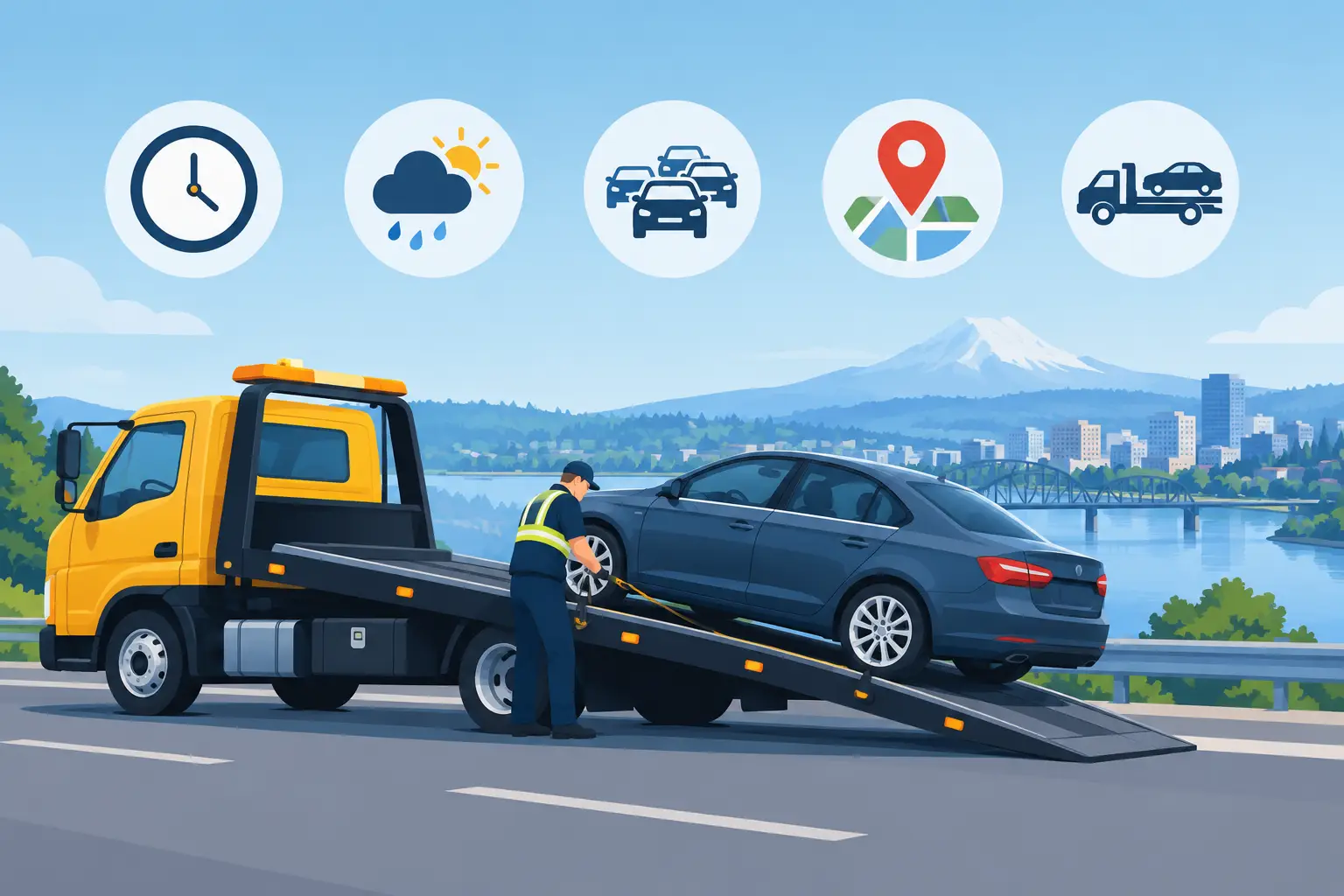
A stalled car on Powell Boulevard, a flat tire after dark, or a vehicle that will not start in a parking lot can make every minute feel longer. Gresham towing arrival times depend on more than the distance between you and the nearest tow truck. Traffic, weather, the kind of help you need, and how clearly dispatch can find you all matter.
The good news is that a local towing company can begin making a plan as soon as it has the right information. Knowing what affects the wait helps you set realistic expectations, stay safer at the roadside, and make the call go more smoothly when you need help most.
What Affects Gresham Towing Arrival Times?
No responsible towing company should promise the same arrival time for every call. A simple jump-start in a clear parking lot is different from recovering a damaged vehicle after a crash on a busy road. The first priority is always getting the correct truck, equipment, and trained operator to your location safely.
Your Location and Road Conditions
A truck already working close to your location may be able to reach you quickly. If available units are helping customers elsewhere, the drive may take longer. Gresham's busy corridors, construction zones, railroad crossings, school traffic, and rush-hour congestion can all affect travel time.
Weather matters too. Heavy rain, icy conditions, fog, and high winds slow traffic and can create a higher volume of roadside calls. During those conditions, operators must drive carefully and may need extra time to secure vehicles safely. A short wait is frustrating, but safe travel and proper loading are worth it.
Your exact location also makes a major difference. “I am near Gresham” is a starting point, but it is not enough to dispatch a truck efficiently. An address, cross streets, a business name, direction of travel, mile marker, or a recognizable nearby landmark gives the driver a much better path to you.
The Type of Service You Need
Roadside assistance can sometimes be handled with a lighter service vehicle and less setup time than a tow. A dead battery, an empty fuel tank, or certain lockout situations may need a different response than a vehicle that cannot be driven.
Towing requires matching the equipment to the vehicle and situation. A passenger car, motorcycle, pickup, trailer, and light truck do not always use the same setup. If a vehicle is in a ditch, has collision damage, is missing a wheel, or is blocked in a difficult position, the operator may need specialized recovery equipment. That extra preparation protects your vehicle and the people working around it.
Call Volume and Emergency Priorities
Towing demand does not arrive on a schedule. A normal afternoon can become busy quickly after a collision, sudden rainstorm, or freezing morning. Local companies prioritize calls based on safety and circumstances. A vehicle stopped in an active lane, on a narrow shoulder, or in an unsafe location may require immediate attention.
That does not mean other customers are forgotten. It means dispatch has to make careful decisions when several people need help at once. A professional dispatcher should provide a realistic estimate based on current conditions rather than offering a number that sounds good but cannot be kept.
How to Help Your Tow Truck Reach You Faster
You do not need to know anything about towing to make a useful service call. A few clear details can prevent delays, incorrect equipment, and repeated phone calls while you are already stressed.
When you call, be ready to share these details:
- Your precise location, including the closest cross street, business, exit, or landmark
- Your vehicle's year, make, model, color, and license plate when available
- What happened, such as a no-start, flat tire, out-of-fuel situation, collision, or mechanical breakdown
- Whether the vehicle is drivable, blocked, damaged, in a garage, or located somewhere with limited access
- A callback number and any details that help identify you, such as hazards flashing or the vehicle's position
Be honest about the vehicle's condition. If the wheels are locked, the vehicle is lowered, the steering is damaged, or a trailer is attached, say so upfront. Those details are not a problem. They simply help dispatch send the right equipment instead of discovering a complication after the truck arrives.
If it is safe to do so, keep your phone nearby and answer calls from the towing company. A driver may need confirmation about which entrance to use, where you are parked, or which side of the road you are on. One quick conversation can save several minutes.
What to Do While You Wait for Towing
Your safety comes first. If your car is in moving traffic or in an unsafe place, call 911 before arranging towing. Follow instructions from law enforcement, emergency responders, or road crews. Do not stand between your vehicle and traffic, and do not attempt repairs on a dangerous shoulder.
If you can safely move the vehicle out of traffic, pull into a parking area or as far off the roadway as possible. Turn on your hazard lights. At night or in poor visibility, use interior lighting carefully and make yourself visible without putting yourself in harm's way.
Stay aware of your surroundings. If you are in a secure location, wait inside the vehicle with doors locked. If staying in the vehicle is unsafe because of traffic, smoke, fire, or another hazard, move to a protected area well away from the road. Keep children and pets safely with you.
It is also smart to gather what you need before the truck arrives. Take your wallet, medication, keys, work items, and valuables out of the vehicle if it will be towed. If you are able, take a few photos of the vehicle's condition after an accident or breakdown. This can be useful for your own records, but do not delay getting to safety to do it.
Why a Local Towing Team Can Make a Difference
When you are stranded, you are not looking for a complicated process. You need a real person who understands the area, takes your situation seriously, and coordinates the right help. Local knowledge can matter when a driver needs to navigate a crowded commercial area, find a tucked-away apartment entrance, or reach a roadside location quickly and safely.
A family-owned operation such as Tow Guys LLC is built around that direct responsibility. The goal is not simply to move a vehicle. It is to reduce the stress of a bad moment with clear communication, respectful service, and careful handling from the first call through drop-off.
The fastest option is not always the best option if the truck is not equipped for your vehicle or the operator has not been told about damage and access issues. A careful dispatch process may take a moment longer at the beginning, but it helps avoid delays once help is on the way.
When an Arrival Estimate Changes
Sometimes conditions change after a truck has been dispatched. A serious accident can close a road. Traffic may stop unexpectedly. Another call may require emergency response, or the driver may arrive and find the vehicle in a different location than described.
Clear updates matter in these situations. If your location changes, your vehicle becomes unsafe, or you discover new damage, notify dispatch right away. Likewise, if you need to leave the vehicle with someone else or arrange a different drop-off location, communicate that before the truck arrives whenever possible.
A good estimate is a useful guide, not a guarantee written in stone. The focus should remain on getting a qualified operator to you as promptly as conditions allow, then handling your vehicle the right way.
If you ever need roadside help in Gresham or Troutdale, take a breath, get to a safe place, and give clear location and vehicle details. That simple preparation helps your towing team find you faster and lets you focus on what matters most: getting yourself safely home, back to work, or on the road again.
Need a tow in Gresham or East County? Call Tow Guys 24/7 at (971) 222-7994.