
Gresham Roadside Help for Commuters Who Need It
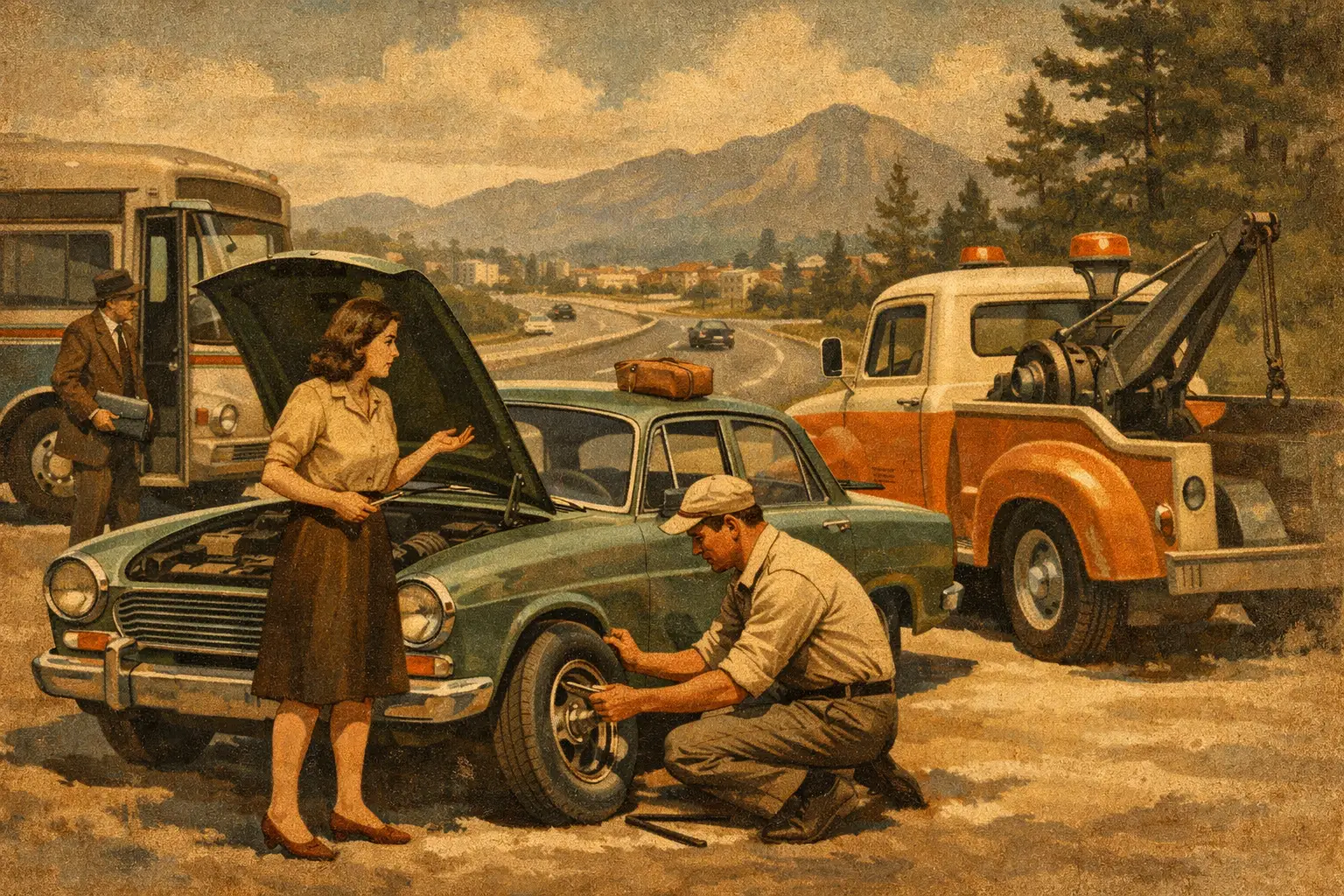
A stalled car does not care whether you are five minutes from work, headed to pick up your child, or trying to make an appointment across town. Gresham roadside help for commuters is about getting you out of a stressful spot safely, without turning one bad morning into an all-day problem.
For most commuters, the first priority is simple: get out of traffic, understand what happened, and get dependable help moving. A dead battery, flat tire, empty tank, overheating engine, or collision can all call for a different response. Knowing the next safe step can make the wait feel much more manageable.
Start With Safety, Not the Diagnosis
When your vehicle begins acting up, avoid trying to solve the mechanical problem while you are still exposed to traffic. If the car can move, guide it to a safe shoulder, parking lot, or side street. Turn on your hazard lights, keep a safe distance from moving vehicles, and set the parking brake once you are stopped.
If you cannot safely exit the vehicle, stay inside with your seat belt fastened and call for help. This is especially important on busy routes, in poor weather, or after dark. Do not stand between your vehicle and traffic, and do not accept help from someone who makes you feel uncomfortable.
A quick look at your dashboard can help explain the problem, but there is no need to guess. A flashing check-engine light, rising temperature gauge, smoke, fluid leak, or steering issue is a strong reason to stop driving and arrange a tow. Continuing for a few more miles can turn a repairable issue into serious engine damage or create a dangerous situation.
Common Commuter Problems and the Right Response
Dead battery or non-starting vehicle
You turn the key or press the start button and get clicking, dim lights, or nothing at all. A battery jump may be enough to get the vehicle started, but it depends on why the battery died. Leaving lights on is one thing. A failing battery, loose connection, starter issue, or alternator problem is another.
If a jump start works, drive directly to a safe place where the battery and charging system can be checked. If the car will not start, stalls again, or displays warning lights, roadside assistance or towing is usually the better choice than repeated jump attempts.
Flat tire
A flat tire can be a straightforward spare-tire change, but only when the location is safe and the spare is usable. On a narrow shoulder, near fast traffic, or in heavy rain, changing a tire yourself can put you at risk. The same applies if you do not have a spare, the wheel is damaged, or multiple tires are affected.
A roadside technician can assess the situation, install your spare when appropriate, or tow the vehicle to a tire shop. That decision saves time when a simple tire change is possible and avoids forcing a risky repair when it is not.
Running out of fuel
Fuel gauges can be misleading, especially when a commute includes stop-and-go traffic, hills, or a detour. If you run out of gas, get to a safe spot if possible and request fuel delivery. Use the correct fuel type for your vehicle. A small mistake at the pump is inconvenient; putting the wrong fuel in the tank can lead to a much larger repair.
Once fuel arrives, the vehicle may need a few moments before it starts, particularly if the tank was completely empty. If it still will not run, the problem may be more than a fuel shortage, and towing may be needed.
Overheating, smoke, or a fluid leak
An overheating engine is not a problem to push through on the way to work. Pull over safely, shut the engine off, and allow it to cool. Do not remove a hot radiator cap or reach around steaming components. Hot coolant can cause serious burns.
Smoke, a strong burning smell, or a growing puddle beneath the vehicle also calls for caution. A tow is often the safest choice because driving can damage the engine, transmission, or brakes depending on the source of the leak.
When a Tow Makes More Sense Than Roadside Repair
Roadside service is designed to solve smaller problems quickly. Towing is the right call when the vehicle is unsafe to drive, cannot be started reliably, has collision damage, or needs a repair that cannot be handled on the shoulder.
After an accident, do not judge a vehicle only by whether it still starts. Damage to tires, steering, suspension, lights, or leaking fluids may not be obvious in the moment. If there is any doubt about safe operation, arrange transport instead of trying to continue your commute.
The same goes for motorcycles, light trucks, trailers, and vehicles with unusual towing needs. The right equipment matters. A provider should understand how to secure the vehicle properly so it arrives at the destination without adding damage to an already difficult day.
Tow Guys LLC provides local towing and roadside assistance for drivers who need a prompt, professional response in Gresham. Whether the problem is a dead start, a flat tire, fuel delivery, accident recovery, or a vehicle that simply cannot continue, clear communication and careful handling should be part of the service.
What to Have Ready When You Call for Help
The fastest way to get the right assistance is to provide a clear location and a short description of the problem. If you are on a main road, note the nearest cross street, direction of travel, landmark, or business. If you are in a parking lot, describe the entrance or section where you are parked.
Share the vehicle's make, model, color, and whether it is a car, truck, motorcycle, or trailer. Explain what happened in plain language: “The engine overheated,” “I have a flat and no spare,” or “The car clicks but will not start.” You do not need a mechanical diagnosis. Accurate symptoms are enough to help send the appropriate service.
Before help arrives, keep your phone charged if possible and watch for messages or calls about the driver's arrival. If your location changes because you had to move to a safer area, update the dispatcher right away.
Reduce the Odds of a Roadside Delay
Commuters cannot prevent every breakdown, but a few habits reduce avoidable trouble. Check tire pressure regularly, especially during temperature swings. Pay attention to slow starts, battery warning lights, unusual vibrations, and fluid spots where you park. These are often early warnings that are easier to handle before a rushed morning.
Keep your vehicle stocked with a charged phone cable, flashlight, reflective vest, basic first-aid supplies, water, and seasonal gear. A spare tire and jack are only helpful if they are present, inflated, and compatible with the vehicle. If you are unsure how to use them safely, that is not a failure. Calling for roadside help is often the smarter option.
For families, it also helps to decide in advance what everyone should do if the vehicle breaks down. Let new drivers know to pull over safely, lock the doors when appropriate, call a trusted contact, and avoid taking chances to make it to school or work on time.
The next time your commute stops unexpectedly, give yourself permission to slow down. Get safe, share your location clearly, and choose the help that protects both you and your vehicle. Work can wait a few minutes. Your safety should not.
Need a tow in Gresham or East County? Call Tow Guys 24/7 at (971) 222-7994.