
Gresham Battery Jump Help When Your Car Won't Start
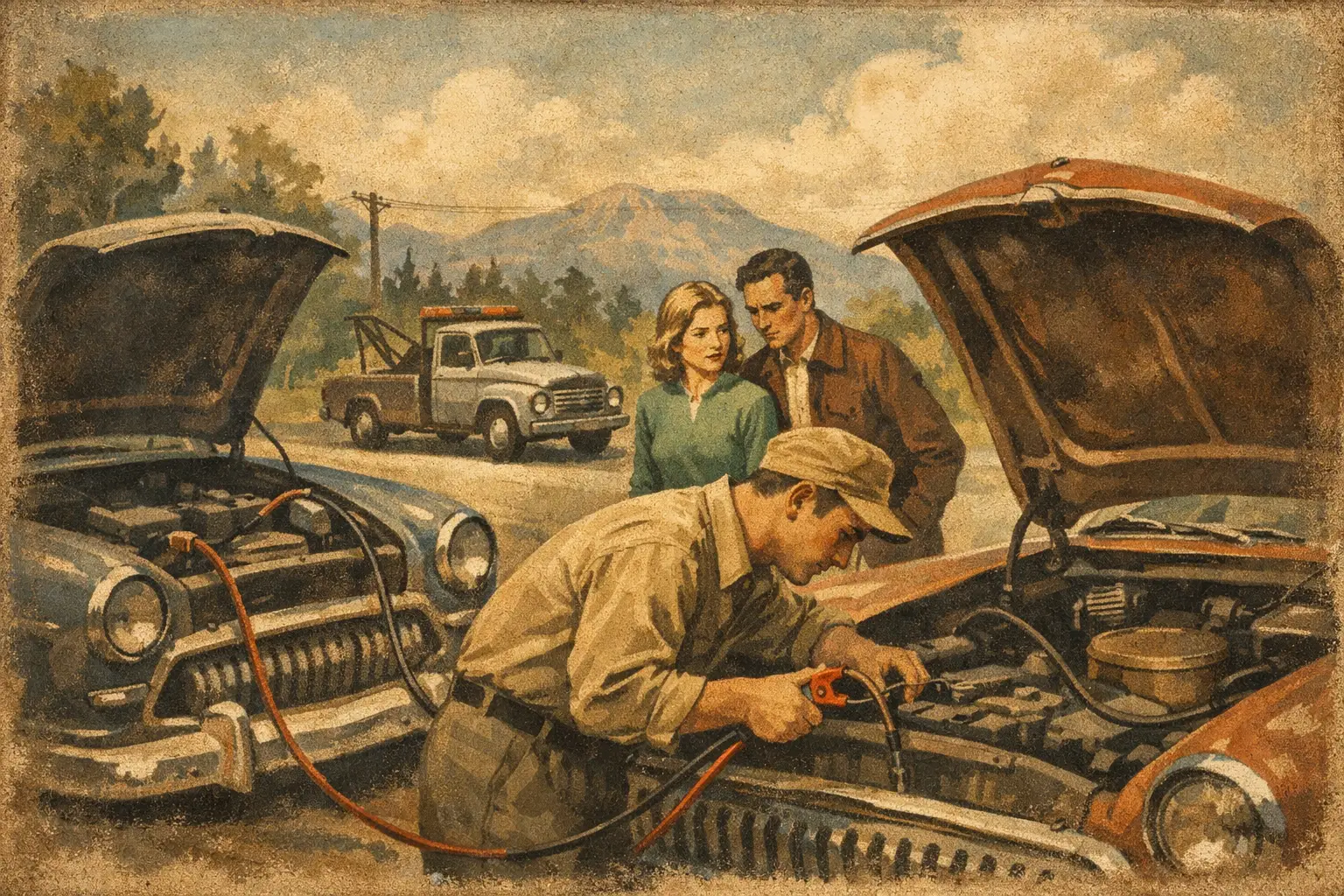
A car that will not start can turn an ordinary stop into a stressful situation fast. Whether you are leaving for work, picking up the kids, or parked somewhere unfamiliar after dark, Gresham battery jump help gives you a practical next step: get safe, get assistance, and find out whether the battery is really the problem.
A dead battery does not always mean a major repair is ahead. Sometimes a jump-start gets you moving again. Other times, it reveals a battery, alternator, cable, or electrical issue that needs attention before you are stranded a second time. The priority is making a safe decision where you are, not guessing under pressure.
What to Do When Your Battery Dies
First, put your safety ahead of getting the vehicle started. If you are still in traffic or stopped in an unsafe location, turn on your hazard lights if they work and move to a safer spot only if the vehicle can be moved without risk. Stay aware of passing traffic, especially on busy roads, narrow shoulders, and freeway ramps.
If you are in a parking lot, keep the doors locked while you arrange help. At night, choose a well-lit place when possible and avoid standing near moving vehicles. If you are with children, older passengers, or pets, keep everyone safely inside the vehicle unless staying inside creates a greater risk.
Before calling for roadside assistance, it helps to know your location, vehicle make and model, and what happened when you tried to start it. Did the engine click once? Did it crank slowly? Did the dash lights come on? Those details can help a trained technician arrive prepared, but you do not need to diagnose the issue yourself.
Signs You May Need a Battery Jump
A battery problem often shows up with a slow crank, a rapid clicking sound, dim interior lights, or no response when you turn the key or press the start button. You may also notice that the headlights are weak or that electronic features behave strangely.
Still, a no-start condition can have other causes. A vehicle with a healthy battery may not start because of a failed starter, a fuel issue, a damaged cable connection, a security-system problem, or an alternator that is no longer charging the battery. That is why a jump-start should be treated as roadside help, not an automatic diagnosis.
If your car starts after a jump but dies shortly afterward, do not assume you can simply drive away. The charging system may not be keeping the battery alive. A professional can help you decide whether it is reasonable to drive to a repair shop, head home, or arrange a tow instead.
Why a Safe Jump-Start Matters
Jumping a car looks simple until it goes wrong. Connecting cables in the wrong order, using damaged clamps, or jumping the wrong type of battery can cause sparks, electrical damage, or injury. Modern vehicles also have sensitive electronics, and some battery locations are less obvious than they used to be.
There are additional concerns with hybrid and electric vehicles. Their high-voltage systems require different precautions, even if the vehicle also has a conventional 12-volt battery. A roadside technician can identify the appropriate jump points and avoid treating every vehicle like an older gas-powered sedan.
A swollen, cracked, leaking, or frozen battery should not be jumped. If you notice a strong sulfur or rotten-egg smell, smoke, visible corrosion, or heat around the battery, step away from the vehicle and call for help. These are not situations for trial and error with a set of cables.
When Another Driver Offers a Jump
A helpful stranger may offer jumper cables, and sometimes that is enough to get you going. It depends on the location, weather, your confidence with the process, and the condition of both vehicles. You are never obligated to accept help if the situation feels unsafe or if you are unsure about the equipment.
If you do accept a jump, keep loose clothing and hands away from moving engine parts. Do not lean over a damaged battery, and do not let the cable clamps touch each other while connected to a power source. Once the vehicle starts, remember that a successful jump is only the first part of the problem. The battery still needs to hold a charge.
Professional Gresham Battery Jump Help Takes the Guesswork Out
When you need help quickly, professional roadside service provides more than a boost. An experienced technician can assess the immediate situation, connect equipment safely, and help you understand what the result means. If the vehicle starts and appears stable, you can make a plan for battery testing or repair. If it will not hold a charge or does not start after a proper jump, towing may be the safer option.
Tow Guys LLC provides around-the-clock roadside assistance for drivers in Gresham and nearby Troutdale. As a local, family-owned company, the focus is straightforward: respond promptly, treat people with respect, and help get the situation resolved without adding more stress to an already difficult moment.
This matters when the problem happens at inconvenient times. A dead battery outside a grocery store is frustrating. A dead battery after a late shift, during heavy rain, or with your family in the car can feel much more urgent. Reliable roadside help lets you stop worrying about cables, traffic, and whether the vehicle will make it another mile.
After the Jump: Can You Keep Driving?
If the vehicle starts, avoid shutting it off immediately. A short drive may put some charge back into the battery, but it will not fix a weak battery or a failing alternator. Driving for 15 or 20 minutes can help in some cases, yet it is not a guarantee that the car will restart afterward.
Pay attention to warning lights. A battery-shaped warning light while the engine is running can point to a charging-system issue. Dim headlights, a burning smell, flickering displays, or repeated stalling are also reasons to stop and seek assistance rather than continue driving.
It is often smart to go directly to a trusted repair facility or home after a jump, depending on how the vehicle performs. Avoid unnecessary stops. If you have a long trip ahead, extreme temperatures, or signs that the vehicle is not charging normally, towing can prevent a second breakdown in a worse location.
Reduce the Chances of Another Dead Battery
Battery trouble can happen without much warning, but a few habits lower the risk. Have the battery tested during regular maintenance, especially if it is several years old. Clean corrosion from terminals when appropriate, make sure the connections are secure, and avoid leaving lights, chargers, or accessories running after the engine is off.
Short trips can also be hard on a battery because the alternator has little time to replace the energy used to start the engine. If your vehicle sits for long periods, consider starting it regularly or using an approved battery maintainer. Oregon's cold, wet weather can expose a battery that was already nearing the end of its service life.
Keep a basic roadside plan in your phone or glove box. Know who you will call, carry your vehicle information, and make sure your phone stays charged when you travel. Preparation will not prevent every breakdown, but it gives you a calmer response when one happens.
When your car will not start, you do not need to solve the mechanical problem alone on the side of the road. Put safety first, get dependable help, and let the next decision be based on what your vehicle is actually telling you.
Need a tow in Gresham or East County? Call Tow Guys 24/7 at (971) 222-7994.