
Flooded Car Precautions: What to Do First
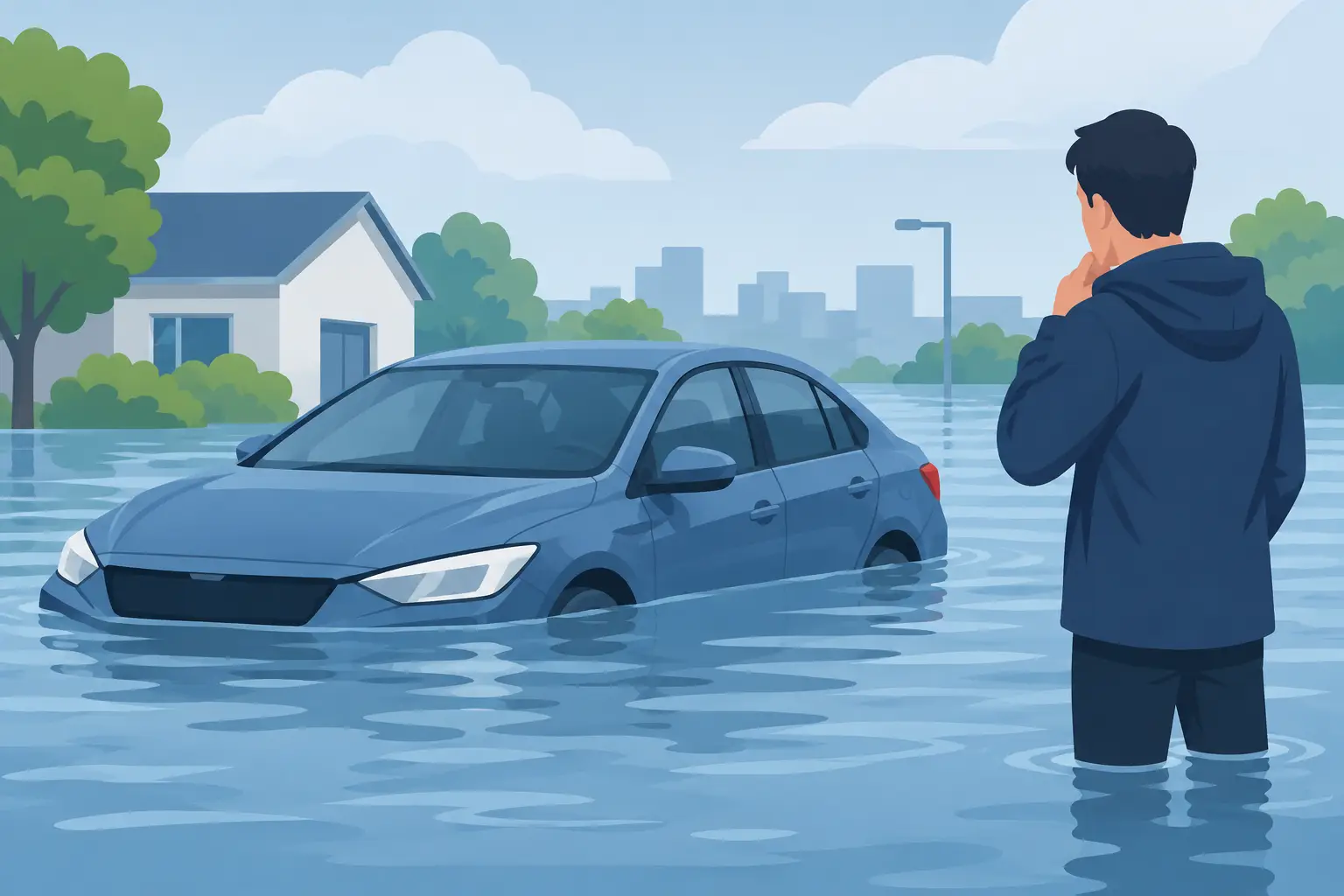
Water can turn a familiar road into a dangerous situation in seconds. The most important flooded car precautions are not about saving the vehicle first - they are about getting every person to a safe, dry place without taking unnecessary risks. A stalled car can be replaced or repaired. Your safety cannot.
Heavy rain, overflowing creeks, blocked storm drains, and standing water can all create trouble around Gresham and Troutdale. If your vehicle has entered floodwater, or you find it sitting in water after a storm, slow down, step back, and make decisions based on the conditions in front of you.
Flooded Car Precautions Start With Your Safety
Never drive into water if you cannot clearly see the road surface and judge its depth. Even shallow water can hide a washed-out shoulder, open drain, loose debris, or a deep hole in the pavement. Moving water is especially dangerous. It can push a vehicle off course before the driver has time to react.
If your car stalls in rising water, do not keep trying to restart it. Turn on your hazard lights if the electrical system is still working, unbuckle your seat belt, and leave the vehicle if you can safely reach higher ground. Take children and passengers with you. If the doors will not open because of water pressure, try a window while it is still operable.
Call emergency services if anyone is trapped, injured, or in immediate danger. A towing company can help recover a vehicle, but a water rescue situation requires emergency responders first.
There are four actions that matter most when floodwater is involved:
- Get yourself and your passengers out of danger before worrying about the car.
- Do not walk through fast-moving or deep water to reach the vehicle.
- Do not attempt to drive a flooded or stalled vehicle out of the area.
- Request professional towing once conditions are safe enough for a recovery.
A car can float in surprisingly little water, and a larger truck is not automatically safe. Vehicle weight, current, road damage, and water depth all affect what can happen next.
Do Not Restart a Flooded Vehicle
Trying to start a vehicle after water has reached the engine compartment can create expensive damage in a matter of seconds. If water enters the engine cylinders, the engine may hydrolock. That means liquid prevents the engine from moving as it should, potentially bending internal components.
Water can also affect the intake system, transmission, fuel system, brakes, wheel bearings, electrical wiring, sensors, airbags, and interior electronics. The longer a vehicle sits in water, the more likely contamination and corrosion become. Muddy water may carry silt and debris into places that are difficult to inspect or clean.
If the water reached only the floorboards, the situation may still be serious, but the repair outlook can vary. If it reached the dashboard, seats, engine bay, or electrical components, do not assume the vehicle is safe to operate just because it looks normal after the water recedes.
Electric and hybrid vehicles need additional caution. Their high-voltage systems are designed with safety protections, but flood exposure should still be evaluated by qualified technicians. Do not touch damaged orange cables, attempt makeshift repairs, or charge a vehicle that may have water damage. Keep clear of the vehicle if you notice smoke, unusual heat, hissing, or a strong burning smell.
Move Away From the Flood Zone, Not Through It
Once the immediate danger has passed, it is natural to want to retrieve your car quickly. That urge can put you back in harm's way. Floodwater can remain unpredictable after rainfall stops, and roads may be unstable beneath the surface.
Stay out of water near downed utility lines, damaged poles, or unknown debris. If your vehicle is parked in a flooded lot, wait until the area can be accessed safely. Do not enter water just to check the interior, collect belongings, or take photos for insurance.
When it is safe to approach, look for visible signs of damage from dry ground. Water lines on the exterior, mud around the engine compartment, soaked carpeting, fogged lights, and debris under the hood all provide useful information. Take clear photos and videos before cleaning anything up. Documentation can help with an insurance claim and gives the repair shop a more complete picture of what happened.
Avoid opening the hood or disconnecting batteries if you are unsure about the vehicle's condition. Electrical damage can be unpredictable, and the vehicle may need to be transported rather than handled at the scene.
Arrange a Tow Instead of Taking a Chance
A flooded vehicle may seem drivable after the water goes down, especially if the engine starts and the dashboard does not show a warning light. That is not a reliable safety test. Water damage can appear later as corrosion, brake problems, electrical faults, mold, or intermittent starting issues.
Towing is usually the safer choice when water has reached the wheels, undercarriage, cabin, engine bay, or any part of the electrical system. It also protects you from becoming stranded again on an unsafe road. Let the tow operator know the vehicle was exposed to floodwater, whether it was running at the time, and how high the water reached. That information helps them choose the right recovery approach.
Tow Guys LLC provides prompt towing and roadside support for drivers dealing with stressful vehicle emergencies in the Gresham area. If your car is in a safe location but should not be driven, arranging transport to your home, a repair facility, or another secure location is a practical next step.
If the vehicle is partly submerged, stuck in mud, near a ditch, or located where water is still moving, do not try to attach straps or pull it out with another personal vehicle. Improper recovery can damage both vehicles and put people nearby at risk. A professional recovery team has the equipment and training to assess the scene first.
What to Check After Your Car Is Towed
Once the vehicle is in a safe, dry place, contact your insurance company and a qualified repair facility. Share your photos, the approximate water level, how long the vehicle was exposed, and whether it was running when it entered the water. Fresh water is generally less corrosive than salt water, but any flood exposure deserves a careful inspection.
A technician may inspect the engine oil, transmission fluid, air filter, brake components, wheel bearings, wiring, connectors, interior materials, and safety systems. Do not rely only on a quick visual check. Moisture can remain under carpeting, inside seat padding, and behind trim panels, where it can lead to mold and lasting odors.
If the cabin was flooded, remove personal items once it is safe to do so and save receipts for emergency expenses related to the incident. Do not throw away damaged items until your insurer tells you what documentation is needed.
Be especially cautious before driving a vehicle with wet brakes. Brake performance can change after water exposure, and contaminated brake components may need service. Warning lights, unusual noises, rough shifting, a musty odor, weak braking, or electrical glitches are all reasons to keep the vehicle off the road until it has been checked.
Prepare Before the Next Heavy Rain
Flood emergencies are easier to handle when you already have a simple plan. Keep your phone charged when severe weather is expected, know a few higher-ground routes near your home and work, and avoid parking near low crossings or areas that regularly collect water. A basic emergency kit with a flashlight, phone charger, drinking water, and warm layer can make a long wait safer and more comfortable.
If conditions look questionable, choose the safer route or wait for the water to clear. Being late is frustrating. Being trapped in rising water is far worse. When a storm leaves your car stranded, protect yourself first, avoid restarting it, and let trained help handle the recovery.
Need a tow in Gresham or East County? Call Tow Guys 24/7 at (971) 222-7994.