
Emergency Towing Response Times Explained
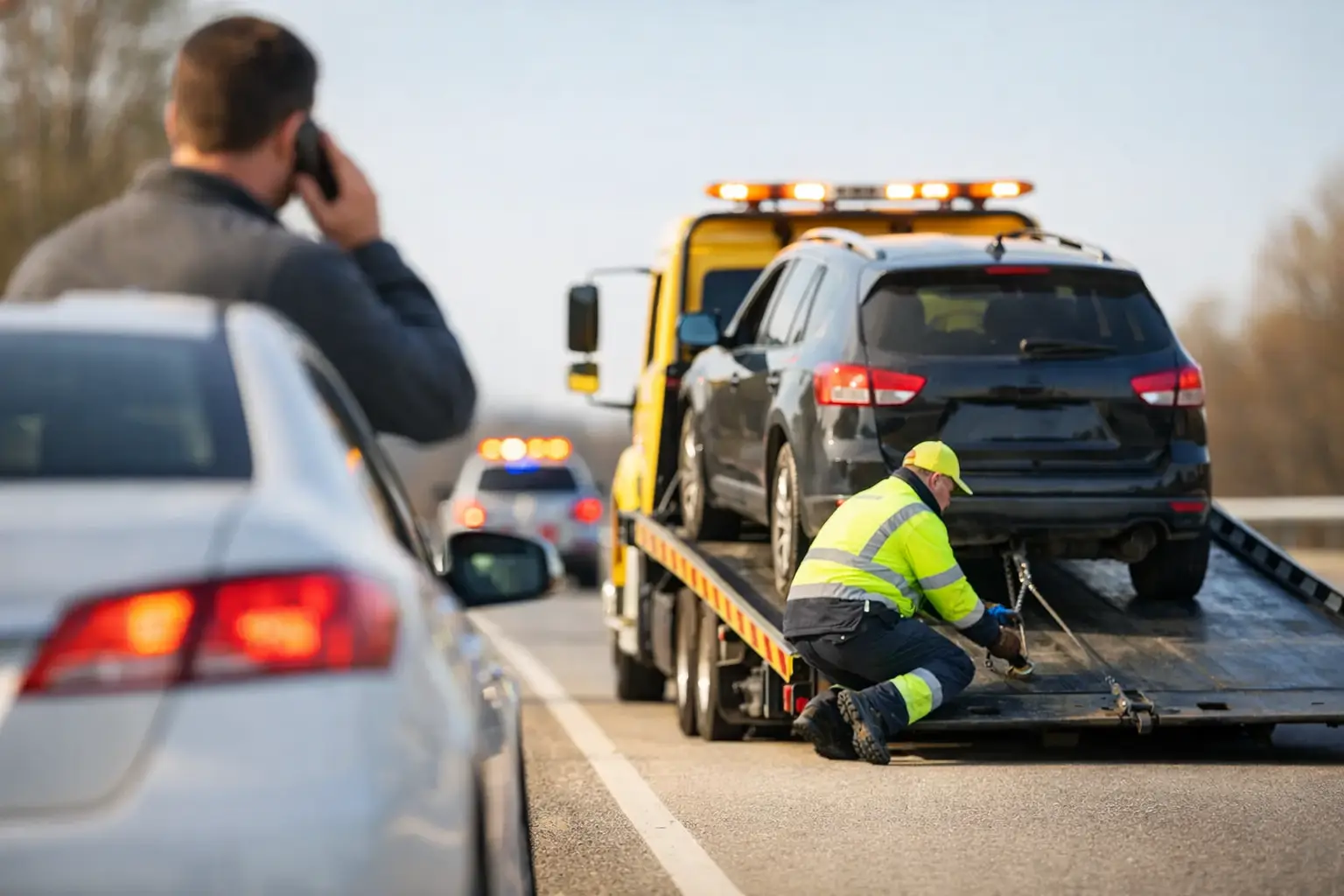
A stalled car on a shoulder feels different at 2:00 a.m. than it does in a parking lot at noon. When you call for help, emergency towing response times stop being a general question and become very personal, very fast. You want to know when someone will answer, when a truck will be dispatched, and when you will see headlights pulling up behind you.
For most drivers, the honest answer is that response time depends on distance, traffic, road conditions, call volume, and the kind of service you need. That may sound frustrating, but it is also the truth. A company that gives you a realistic arrival window and keeps you updated is usually more dependable than one that promises an unrealistically fast time just to get the call.
What emergency towing response times really include
When people ask about emergency towing response times, they often mean one thing: How long until the tow truck gets here? In practice, there are a few stages inside that timeline.
First, your call has to be answered and your location confirmed. Then the dispatcher has to decide what type of truck or roadside support is needed. A motorcycle, a light truck, a trailer, and a vehicle after a collision may all require different equipment or handling. After that, the nearest available driver has to be assigned and travel to you.
That matters because not every delay means nobody is moving. Sometimes the truck is already on the way, but your location is harder to reach, traffic is heavy, or another urgent call nearby changed the dispatch order. The best service companies explain this clearly instead of leaving you guessing.
Why response times vary from one call to the next
Two drivers can call five minutes apart and have very different wait times. That is normal in towing, especially during weather events, rush hour backups, or periods of high roadside demand.
A simple lockout or fuel delivery may be faster to dispatch than a recovery after an accident. A car in a safe parking lot may be scheduled differently than a vehicle sitting in a dangerous traffic lane. If your vehicle is blocking traffic or you are stranded in an unsafe spot, that should be communicated right away because it can affect urgency.
Location also matters. In and around communities like Gresham and Troutdale, a short distance on the map does not always mean a short drive in real life. Intersections, freeway congestion, train crossings, road construction, and weather can all stretch travel time.
The biggest factors that affect arrival time
The most common factor is truck availability. If several emergency calls come in at once, dispatch has to prioritize based on safety and severity. A second major factor is the type of equipment needed. Not every truck can handle every job, and sending the wrong vehicle only creates a bigger delay later.
Weather is another major variable. Rain, ice, reduced visibility, and storm-related incidents increase the number of calls while also making roads slower and more dangerous for tow operators. That means the same company that reaches you quickly on a clear afternoon may need longer on a rough winter night.
Fast is important, but clear communication matters just as much
Drivers usually remember two things after a roadside emergency: how long they waited and whether anyone kept them informed. A shorter wait is always better, but regular updates can reduce stress when a delay happens.
If a towing company tells you, "We are about 25 minutes out," and then checks in if traffic changes that estimate, that builds trust. If you hear nothing after the first call, even a reasonable wait can feel much longer. During a breakdown or accident, uncertainty is often what raises the stress level the most.
This is one reason local providers often stand out. A local team usually knows the roads, traffic patterns, and common trouble spots in the area. They are not trying to manage calls from far away through a generic dispatch center. That local knowledge can make response estimates more accurate and service feel more personal.
How to tell if a towing company is being realistic
A realistic answer usually sounds specific without sounding exaggerated. If a company says they can arrive in 20 to 30 minutes depending on traffic, that is more credible than a blanket promise to be there in 10 minutes no matter where you are.
You should also listen for the questions they ask. A dependable dispatcher will want your exact location, vehicle type, condition of the vehicle, and whether you are in immediate danger. Those questions are not slowing things down. They help get the right truck to the right place on the first trip.
If the company cannot give any arrival window at all, or keeps changing the estimate without explanation, that is usually a bad sign. Good emergency service is not just about speed. It is about being direct, prepared, and honest.
What you can do to avoid unnecessary delays
You cannot control traffic or weather, but you can make the dispatch process faster. The first step is sharing your exact location as clearly as possible. A street name alone is often not enough, especially at night or on a highway. Cross streets, nearby landmarks, mile markers, and a description of which side of the road you are on can all help.
It also helps to describe the problem accurately. If the car will not start, say whether the engine turns over. If you were in an accident, say whether the wheels are damaged or airbags deployed. If you need a tow for a truck, trailer, or motorcycle, mention that immediately so the dispatcher sends appropriate equipment.
Keep your phone nearby and available. If the driver or dispatcher needs to confirm your position and cannot reach you, your arrival can be pushed back while they sort out the location. Simple details save time.
Safety should come first while you wait
If you are in a dangerous spot, tell the dispatcher right away. If you can safely move your vehicle out of traffic, do so. Turn on your hazard lights. If it is safer to wait outside the vehicle and away from traffic, choose distance over convenience.
If you are on the shoulder, stay alert. Passing vehicles may drift closer than expected, especially in poor weather or low light. Emergency towing is about getting your vehicle moved, but it starts with protecting the people inside it.
When a longer wait does not mean poor service
There are times when a longer arrival window is actually a sign that a company is doing the job responsibly. During storms, major collisions, or periods of unusually high demand, safe and orderly dispatch matters more than rushed promises.
The same goes for difficult recoveries. A vehicle in a ditch, a damaged truck, or a trailer with stability issues may require special equipment and a more experienced operator. That can add time, but it often prevents more damage and gets the job done correctly.
A good towing company balances urgency with judgment. Drivers need help fast, but they also need help that is competent and safe. Speed without the right equipment or training is not much of a benefit.
What local drivers should expect from emergency service
If you are stranded, you should expect a fast answer, a reasonable ETA, and updates if conditions change. You should expect the company to ask the right questions and send a technician prepared for your vehicle and situation. You should also expect basic respect. A roadside emergency is stressful enough without vague answers or poor communication.
That is why many drivers prefer a family-owned local operation over a bigger, more impersonal setup. With a local company like Tow Guys LLC, the service is built around urgent community calls, not just volume. That usually means a stronger focus on prompt dispatch, straightforward communication, and treating people like neighbors instead of ticket numbers.
Emergency towing response times and peace of mind
No reputable towing company can control every variable on the road. What they can control is how quickly they answer, how accurately they dispatch, and how well they communicate while you wait. Those things make a real difference when you are stuck on the roadside wondering what happens next.
If you ever need emergency help, look for a provider that values both speed and honesty. The right response is not just a truck arriving quickly. It is knowing someone capable is on the way, they understand the situation, and they are taking your safety seriously. In a stressful moment, that kind of reassurance matters almost as much as the tow itself.
Need a tow in Gresham or East County? Call Tow Guys 24/7 at (971) 222-7994.