
Emergency Towing for Commuters When Minutes Matter
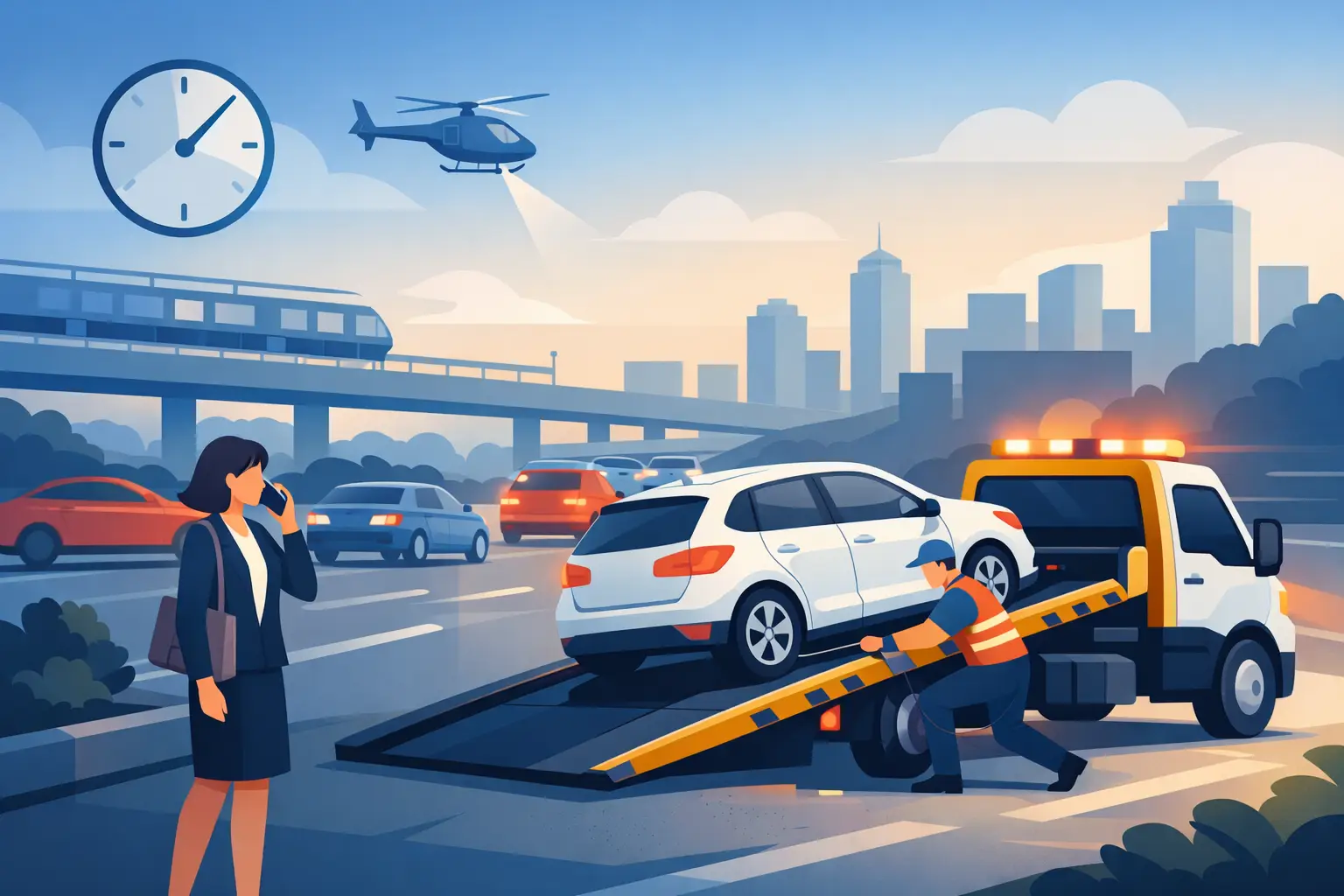
A stalled car on the way to work is not just an inconvenience. It can leave you stopped beside fast traffic, late for an important shift, worried about your family, and unsure what to do next. Emergency towing for commuters is about getting you out of that situation safely and quickly, with clear answers instead of added stress.
The first few minutes matter most. Whether your vehicle will not start in the driveway, overheats on the way to I-84, gets a flat near a busy intersection, or is involved in a collision, your priority is simple: protect yourself, then arrange the right help.
Emergency Towing for Commuters Starts With Safety
If your vehicle begins losing power, steer toward the safest available spot. A parking lot, wide shoulder, side street, or other area away from moving traffic is better than stopping in a travel lane. Turn on your hazard lights as soon as you can. At night, in rain, or during heavy traffic, those lights help other drivers see that something is wrong.
Once stopped, take a quick look at the surroundings before getting out. If traffic is moving close to your vehicle or you are on a narrow shoulder, staying inside with the doors locked and seat belt fastened may be the safer choice. If you can exit safely, move well away from traffic and avoid standing directly in front of or behind the vehicle.
After an accident, check for injuries first. Call 911 when anyone is hurt, traffic is blocked, there is a fuel leak, or the scene is otherwise unsafe. A tow should never take priority over medical care or emergency response.
If the problem is mechanical, take note of your location, nearby cross streets, the direction you are traveling, and your vehicle's make, model, color, and condition. This information helps a local towing company send the appropriate truck and find you without delay.
Know When Roadside Help Is Enough
Not every commute-ending problem requires a tow. A trained roadside technician may be able to get you moving again with a jump-start, fuel delivery, tire change, or help with a non-starting vehicle. When the fix is safe and practical, roadside service can save time and keep your day from getting further off track.
Still, there are times when towing is the smart call. Continuing to drive with an overheating engine, warning lights, brake trouble, steering problems, major fluid leaks, or visible collision damage can turn a manageable repair into a much larger one. It can also put you and other drivers at risk.
A dead battery is a good example of why the answer depends. If a jump-start gets the engine running and the vehicle has no other warning signs, you may be able to drive directly to a repair shop. But if the car dies again, battery terminals are damaged, the alternator may have failed, or the vehicle is in an unsafe location, towing is the more dependable option.
The same goes for a flat tire. A usable spare, safe location, and proper tools may make a tire change possible. If your spare is damaged, your lug nuts will not move, you have multiple flats, or traffic is too close, do not take chances. Request help.
What to Tell the Towing Dispatcher
Clear information makes for faster, safer service. When you request emergency towing, explain where you are, what happened, and whether the vehicle can roll, steer, or shift into neutral. Mention if you are parked in a garage, on a steep driveway, in a tight apartment lot, or beside a busy road. Access details affect the equipment and approach needed.
Let the dispatcher know the vehicle type as well. A compact car, pickup, motorcycle, trailer, and light truck do not all require the same setup. If your vehicle has all-wheel drive, low ground clearance, collision damage, or a locked wheel, say so. This helps prevent avoidable delays and ensures it is handled properly.
You should also decide where the vehicle needs to go. That may be your home, a trusted mechanic, a dealership, or a body shop after a collision. If you are not sure, ask about the safest practical option based on the condition of the vehicle and the time of day.
Before service begins, confirm the pickup location and destination, ask for an estimated arrival window, and keep your phone nearby. If your location changes or you find a more precise landmark, update the dispatcher right away.
Make the Wait Safer and Less Stressful
A breakdown can feel isolating, especially before sunrise or after a long workday. A few small steps can make the wait more manageable. Keep your phone charged if possible, share your location with a family member or trusted contact, and gather essential items such as your driver's license, insurance information, medication, work bag, and child seats if you will be leaving the vehicle.
Do not accept unsolicited towing offers from someone who arrives without being dispatched by you, law enforcement, or your insurance provider. In a stressful moment, it is reasonable to verify who is picking up your vehicle and where it is going. A professional operator should be able to identify the company, confirm your vehicle details, and explain the next steps.
If you need to leave your vehicle for any reason, remove valuables and take photos of its condition. This is especially helpful after an accident or when the vehicle must be left overnight. Keep the keys ready, but do not hand them over until you have confirmed the tow operator is there for your call.
Why Local Response Matters on a Workday
For commuters in Gresham and Troutdale, delays can pile up quickly. One disabled vehicle can mean a missed shift, a late school pickup, a cancelled appointment, or a long wait in poor weather. A local company understands the roads, common traffic pressure points, and the importance of sending help without routing customers through an impersonal call center.
Fast service is valuable, but careful service matters too. The right towing team assesses the vehicle, chooses the correct loading method, secures it properly, and transports it to the requested destination with care. That is particularly important for motorcycles, all-wheel-drive vehicles, damaged cars, and vehicles carrying equipment or trailers.
Tow Guys LLC provides around-the-clock emergency support with the kind of direct, professional help local drivers need when a normal commute suddenly stops being normal. The goal is not to make a difficult moment more complicated. It is to give you a clear plan, a safe pickup, and a reliable way forward.
Prepare Before Your Next Commute
You cannot prevent every breakdown, but you can reduce the scramble. Keep a small roadside kit in the vehicle with a flashlight, phone charging cable, reflective vest, blanket, water, basic first-aid supplies, and current insurance information. Check your spare tire periodically if your vehicle has one, and do not ignore battery, brake, tire, or temperature warnings that appear before a commute becomes an emergency.
Save the number of a trusted local towing provider before you need it. When your car fails in rush-hour traffic or on a dark road, having a dependable contact already chosen makes it easier to focus on the only thing that matters first: getting yourself to a safer place.
Need a tow in Gresham or East County? Call Tow Guys 24/7 at (971) 222-7994.