Do I Need a Tow Truck? How to Tell
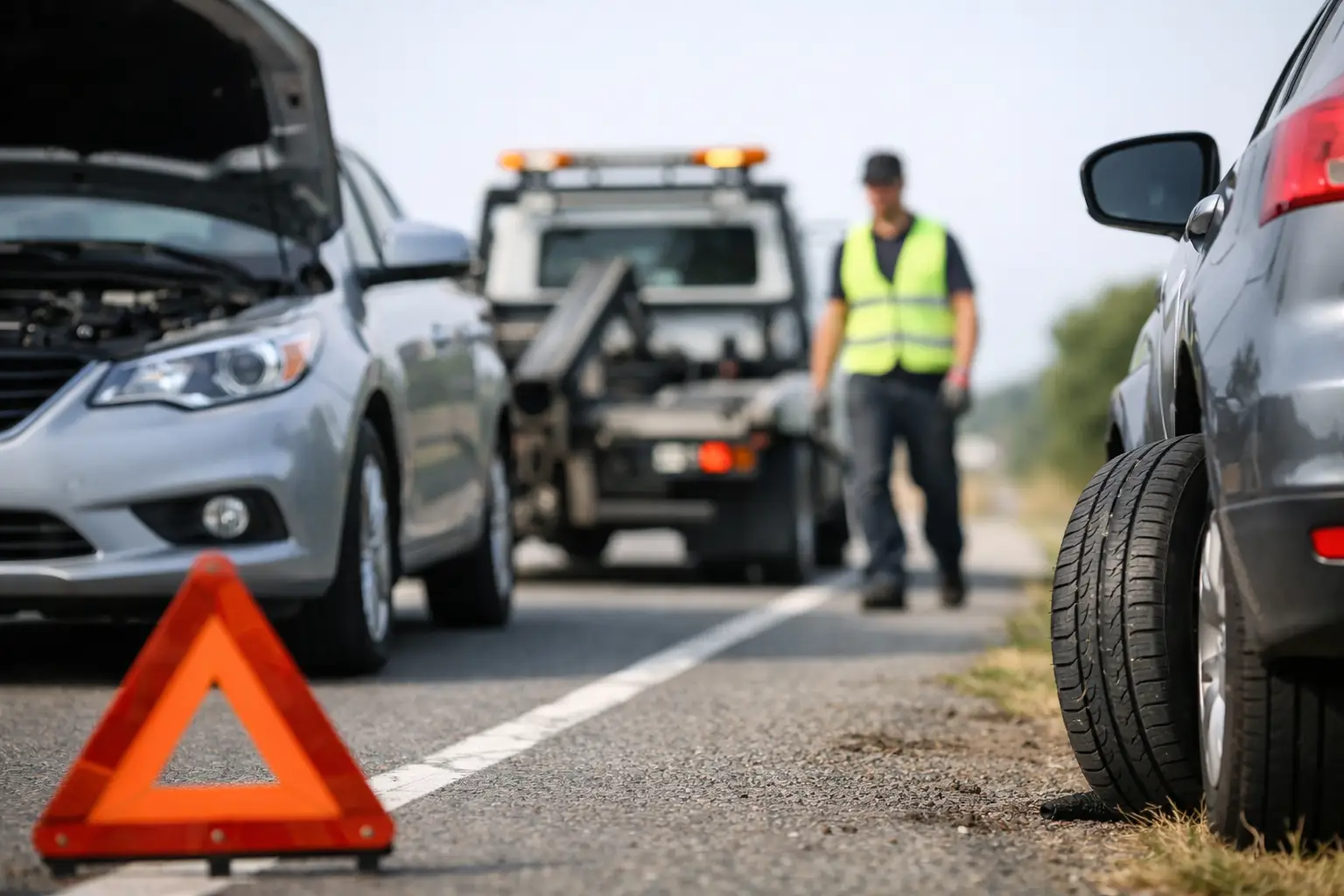
A lot of roadside trouble starts with one question: do I need a tow truck, or can I safely keep driving? In the moment, it is easy to second-guess yourself. Maybe the car still moves. Maybe the problem seems small. But if your vehicle is acting in a way that puts you, your passengers, or other drivers at risk, stopping and getting professional help is usually the right call.
The safest answer depends on what the vehicle is doing right now, not what you hope it will do for another five miles. If the engine is overheating, the steering feels loose, a tire is badly damaged, or you were just in a collision, driving farther can turn a stressful situation into a dangerous one.
Do I Need a Tow Truck or Roadside Help?
Not every breakdown needs a full tow. Sometimes a quick roadside service gets you back on the road without hauling the vehicle anywhere. A dead battery, an empty gas tank, or a simple lockout can often be handled on the spot.
The difference comes down to whether the car can be made safe to drive where it sits. If the answer is yes, roadside help may be enough. If the answer is no, a tow truck is the safer option.
For example, if your car will not start because the battery is dead, a jump-start might solve it. If it still will not start after that, or if there may be a deeper electrical or starter issue, towing is the better next step. The same logic applies to a flat tire. If there is a usable spare and no damage beyond the tire itself, roadside tire service may be all you need. If the wheel, suspension, or sidewall is badly damaged, do not try to limp it down the road.
Clear Signs You Need a Tow Truck
Some situations are not worth debating. If any of these are happening, it is smart to stop driving and call for help.
After an accident
Even if the damage looks minor, your vehicle may have hidden problems. Fluids could be leaking. A wheel could be bent. The bumper or fender could be rubbing the tire. If the airbags deployed, the car definitely needs a closer look before going anywhere. After a collision, towing protects both your safety and the vehicle from more damage.
The engine is overheating
If you see steam, smell coolant, or your temperature gauge spikes into the red, pull over as soon as it is safe. Continuing to drive an overheating vehicle can cause severe engine damage very quickly. That repair bill is often far worse than the cost of a tow.
You have a bad fluid leak
A small drip parked at home is one thing. A visible leak under the car after a breakdown is different. Oil, transmission fluid, brake fluid, or coolant loss can make the vehicle unsafe to operate. Brake fluid is especially serious. If braking feels soft or weak, do not drive it.
Steering or brakes feel wrong
If the steering suddenly becomes hard, loose, shaky, or unresponsive, that is a major safety issue. The same goes for grinding brakes, a brake pedal sinking to the floor, or the car pulling hard when you stop. If you cannot fully trust the vehicle to turn and stop, you need a tow truck.
A tire is shredded or the wheel is damaged
A slow leak might be manageable with air and a nearby tire shop if you catch it early. A blowout, torn sidewall, cracked wheel, or damage from hitting a curb or pothole is a different story. Driving on it can ruin the wheel, damage the suspension, and put you at risk of losing control.
The vehicle will not start and the cause is unclear
If you already tried the obvious fix and nothing changed, towing may save you time and stress. Repeatedly turning the key or pushing the start button will not solve a failed starter, ignition issue, fuel delivery problem, or serious battery failure.
When You Might Not Need a Tow Truck
There are plenty of situations where roadside service is the faster and more affordable choice. A jump-start, fuel delivery, lockout service, or help changing a tire can often be handled right where you are.
This is where honesty helps. Ask yourself whether the vehicle is actually safe to drive once the immediate issue is solved. If you ran out of gas, adding fuel may fix the problem completely. If your battery died because you left the lights on, a jump may be all it takes. But if the battery keeps dying, warning lights stay on, or the car stalls again, the problem is no longer minor.
A good roadside team will not push you into a tow you do not need. They should help you understand the situation and recommend the safest option.
Do I Need a Tow Truck if the Car Still Moves?
Sometimes the hardest calls happen when the car still runs. It may creep forward, idle roughly, or make it a short distance. That does not mean it is roadworthy.
If the vehicle is making loud knocking noises, shaking heavily, smoking, dragging parts underneath, or showing warning signs that affect control, the fact that it still moves is not a green light. Many drivers get stranded in worse spots because they tried to push a failing vehicle just a little farther.
This matters even more on busy roads, at night, or in bad weather. A car that barely drives can become a bigger hazard in traffic than a car safely waiting for a tow on the shoulder or in a parking lot.
Why Guessing Can Cost More
A lot of people hesitate to call because they are trying to save money. That makes sense. Nobody wants to pay for a tow if they do not need one. But driving a damaged or unstable vehicle can create much bigger expenses.
An overheating engine can turn into full engine failure. A low tire can become a destroyed wheel. A small suspension issue can lead to loss of control or more parts breaking. Even if you make it to your destination, you may be adding damage every mile.
There is also the cost you cannot easily measure: stress, safety, and time. Breaking down again in a worse location, with kids in the car or during heavy traffic, is not worth the gamble.
What to Do While You Decide
If you are unsure whether to call for a tow, focus on safety first. Pull as far off the road as you can. Turn on your hazard lights. Stay inside the vehicle if traffic is close and it is safer to remain buckled in. If you are in a safer spot away from moving traffic, step out carefully and look for obvious signs like leaking fluid, smoke, a flat tire, or hanging parts.
Then think in simple terms: can this vehicle be driven safely right now without risking more damage or putting anyone in danger? If the answer is maybe, treat that as a no until a professional says otherwise.
Drivers in Gresham and Troutdale often deal with busy roads, changing weather, and commutes that do not leave much room for vehicle trouble. In those moments, fast local help matters. A family-owned company like Tow Guys LLC understands that most people calling are not looking for technical theory. They want a clear answer, quick service, and the confidence that someone is on the way.
The Best Rule of Thumb
If the problem affects steering, braking, tires, visibility, engine temperature, or the basic ability of the car to run reliably, stop driving and call for help. If the issue is minor and can be safely fixed on the spot, roadside service may be enough.
You do not need to diagnose everything perfectly from the shoulder of the road. You just need to make the safest next decision. When your vehicle does not feel safe, trusting that instinct is usually the right move.
If you are stuck between hoping it makes it and knowing something is wrong, choose the option that protects you first. Cars can be repaired. Getting home safely is the part that matters most.
Need a tow in Gresham or East County? Call Tow Guys 24/7 at (971) 222-7994.