Car Towing: What to Do When You Need Help
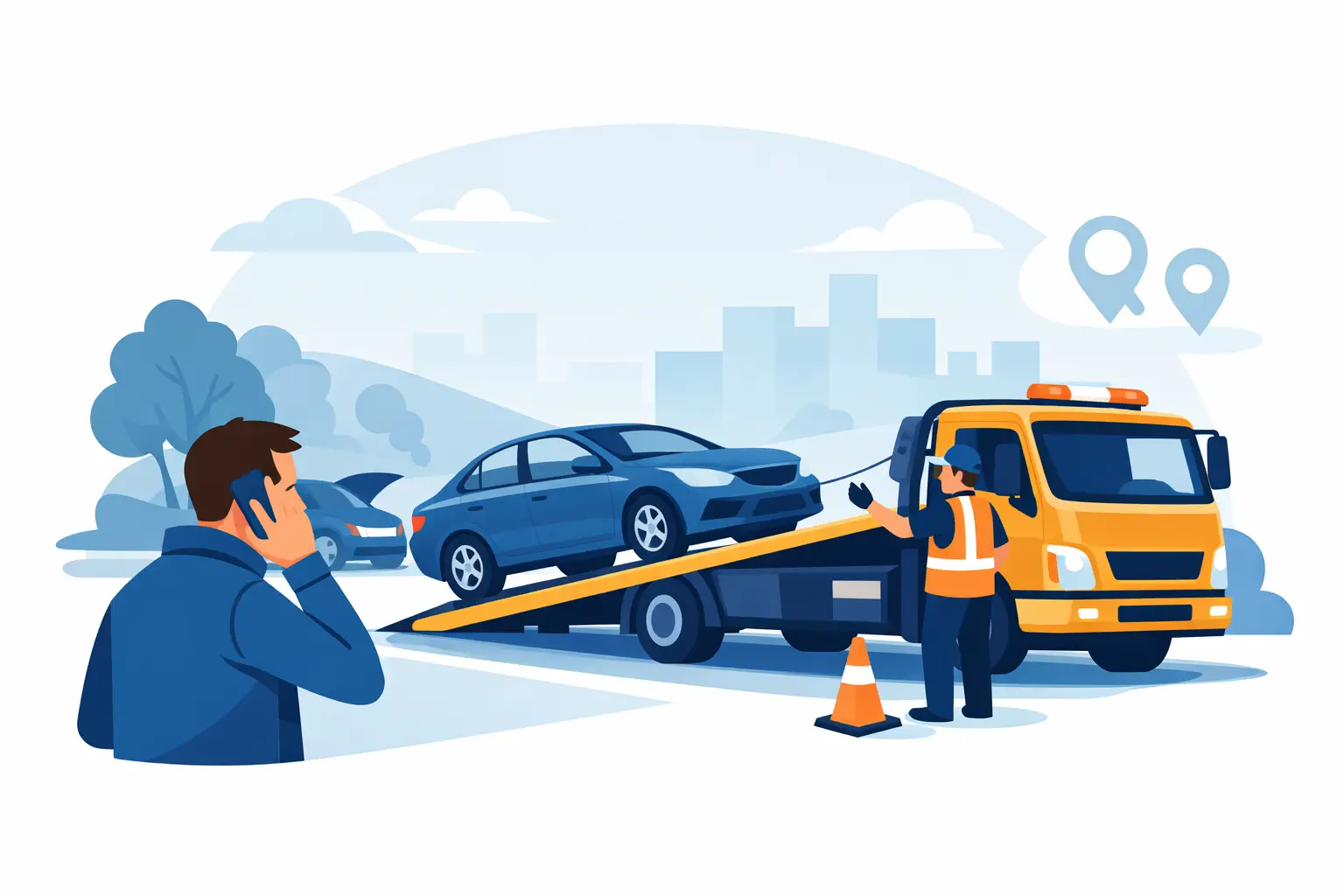
A vehicle can go from running fine to stranded in a matter of seconds. Whether the engine will not start in a parking lot, a tire problem leaves you on the shoulder, or a collision makes the car unsafe to drive, car towing gives you a safe way to get out of a stressful situation without taking unnecessary risks.
The first priority is not getting your vehicle home or to a repair shop. It is getting yourself, your passengers, and other drivers out of harm's way. A dependable local towing company should make that process easier: answer clearly, dispatch promptly, handle your vehicle correctly, and treat you with respect when your day has already gone sideways.
Car Towing Starts With Roadside Safety
If your vehicle loses power or becomes unsafe to drive, move it as far off the travel lane as you safely can. Turn on your hazard lights, set the parking brake, and keep your wheels turned away from traffic when parked on a slope. At night or during heavy rain, staying visible matters even more.
If you are on a busy road, freeway shoulder, blind curve, or somewhere with fast-moving traffic, do not try to inspect the vehicle from the traffic side. Stay in a safe location away from moving vehicles if you can do so safely. If there is an injury, a dangerous crash scene, fire, smoke, or an immediate traffic hazard, call 911 first.
Know When Not to Drive Another Mile
Some problems can wait for a repair appointment. Others should end with the vehicle parked and a tow truck on the way. Do not keep driving if you see smoke, smell burning, have a major fluid leak, experience severe overheating, hear loud grinding, or lose steering or braking control.
The same applies after an accident, even when the damage looks minor. A bent wheel, loose bumper, damaged suspension part, leaking fluid, or hidden frame damage can make a vehicle unpredictable. Driving it to “see if it is okay” may turn a manageable repair into a more serious problem.
What to Tell a Car Towing Dispatcher
A fast, accurate response starts with useful information. When you call, give the dispatcher your exact location first. A street address is helpful, but road names, nearby intersections, landmarks, travel direction, and mile markers can all help locate you faster when you are on the move or parked along a highway.
Then describe the vehicle: its make, model, color, and whether it is a car, light truck, motorcycle, trailer, or another type of vehicle. Let the dispatcher know what happened and whether the vehicle rolls, steers, and can be placed in neutral. Details such as a locked wheel, flat tire, accident damage, or a vehicle stuck in mud affect the equipment and approach needed.
Finally, say where the vehicle needs to go. That may be your home, a trusted repair shop, a dealership, or another safe location. If you are unsure, tell the dispatcher. A professional operator can help you think through the practical options rather than rushing you into a decision.
The Right Tow Method Depends on Your Vehicle
Not every tow is the same, and the cheapest-looking option is not always the safest one. The proper equipment depends on the vehicle's condition, drivetrain, clearance, location, and destination.
A flatbed is often a strong choice for all-wheel-drive vehicles, luxury cars, lowered vehicles, motorcycles, and cars with serious damage. The entire vehicle rides on the truck, which limits wear on the wheels and drivetrain during transport. It is also useful when the car cannot be driven onto the truck under its own power.
A wheel-lift tow can be an efficient option for many front-wheel-drive or rear-wheel-drive vehicles when handled properly. The towing technician lifts the correct end of the vehicle and follows the manufacturer's requirements. For certain cars, especially all-wheel-drive models, towing the wrong wheels on the ground can cause expensive drivetrain damage. That is why it is worth telling the dispatcher exactly what you drive.
Motorcycles, trailers, and light trucks also need the right securement process. A motorcycle should be stabilized with appropriate equipment rather than treated like a standard passenger car. Trailers may have load, brake, hitch, or tire concerns that change how they need to be moved. Experienced towing is not just about pulling a vehicle - it is about protecting it from pickup to drop-off.
Before the Tow Truck Arrives
Once help is on the way, you can make the pickup smoother without putting yourself at risk. Keep your phone available and watch for calls from the driver, especially if your location is hard to spot. If it is safe, note the vehicle's condition and take a few photos after an accident or when there is visible damage.
Remove valuables, medications, work equipment, garage remotes, and important documents from the vehicle. Check the trunk and back seat too. You may not have immediate access to the car after it reaches a repair facility, and a little preparation can prevent a frustrating second trip.
If possible, have your keys, registration, and destination information ready. Ask whether you can ride with the tow operator or whether you should arrange separate transportation. That depends on the situation, available seating, local rules, and the condition of the vehicle. Do not assume the answer either way.
Choosing a Towing Company When You Are Stressed
When you need help now, it is easy to call the first number you find. Still, a few questions can tell you a lot about the service you are getting. Ask for an estimated arrival window, confirm that the company can handle your vehicle type, and make sure the destination and basic pricing are understood before the truck arrives.
Clear communication matters. You should know who is coming, what information they need, and what happens next. A professional towing company will not make you feel like you are interrupting them for having a breakdown. The right team brings calm, practical direction to a moment when you may feel stranded or overwhelmed.
For drivers in Gresham and Troutdale, Tow Guys LLC provides around-the-clock towing and roadside help for cars, trucks, motorcycles, trailers, non-starting vehicles, fuel problems, and accident recovery situations. As a family-owned local company, the goal is straightforward: get there, treat people well, and move the vehicle safely.
Roadside Help May Save You a Tow
Car towing is the right answer when a vehicle cannot safely be driven, but it is not always the only answer. A dead battery may need a jump-start. An empty fuel tank may only require fuel delivery. A lockout, minor tire issue, or simple non-start condition may be resolved at the roadside, depending on the cause.
That said, roadside service is not a reason to force a failing vehicle back onto the road. If the problem points to a mechanical fault, overheating, collision damage, or a safety concern, towing remains the smarter choice. A good operator will assess the situation honestly and recommend the safest next step.
A Safer End to a Bad Day
Breakdowns rarely happen at a convenient time, but you do not have to solve the whole problem from the side of the road. Get to a safe spot, share clear location and vehicle details, and choose help that has the proper equipment for the job. A careful tow can protect your vehicle, reduce your stress, and give you room to focus on getting home safely.
Need a tow in Gresham or East County? Call Tow Guys 24/7 at (971) 222-7994.