
Can Roadside Help Motorcycles? What to Expect
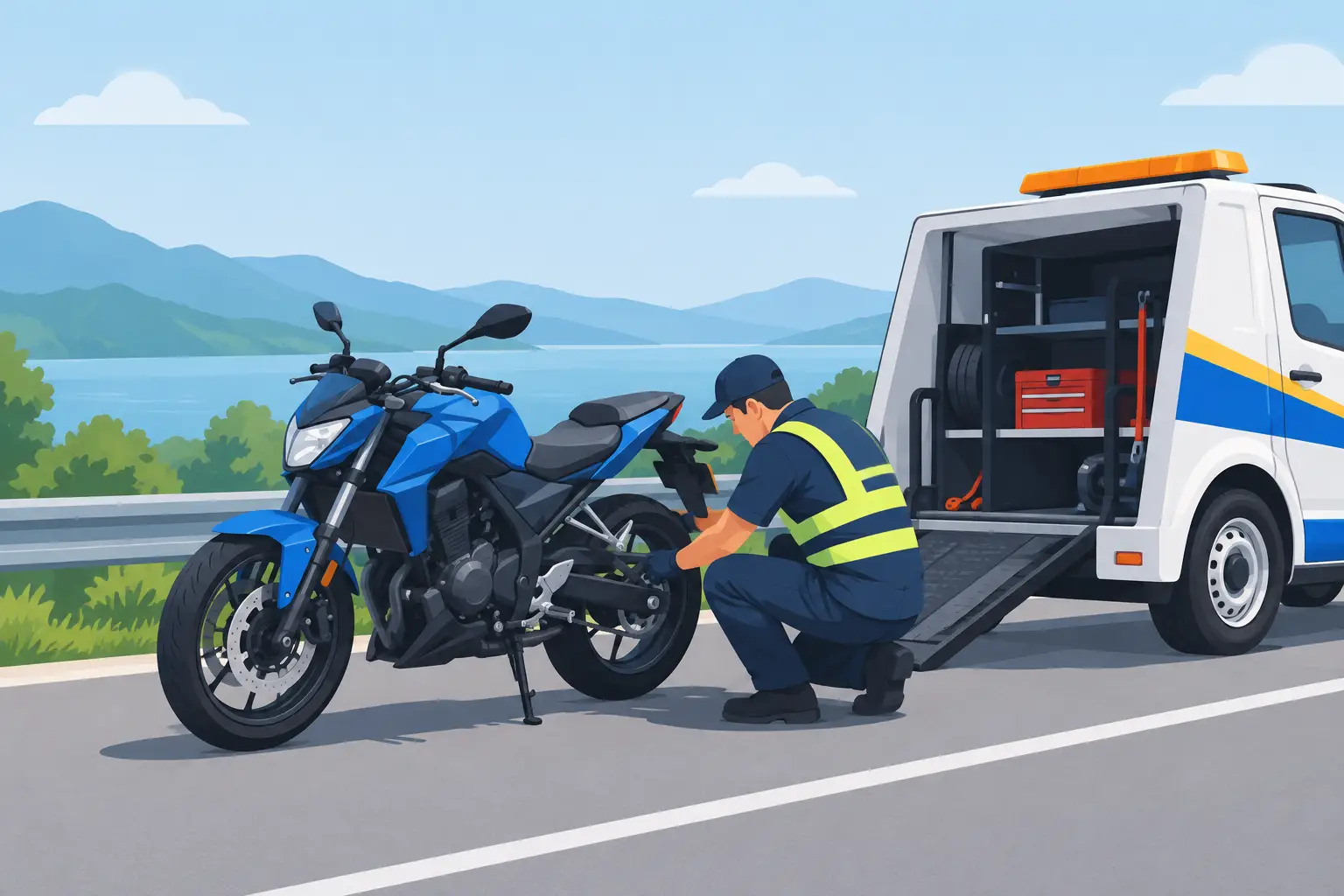
A motorcycle that quits on the side of the road creates a different kind of stress than a car breakdown. You have less protection from traffic and weather, limited room to work, and a bike that should not be handled like a standard vehicle. So, can roadside help motorcycles? Yes, in many situations, but the right answer depends on the problem, the bike’s condition, and whether it can be repaired safely where it sits.
For riders in Gresham and Troutdale, the priority is simple: get out of danger first, then get the bike assessed or transported without causing further damage. A qualified roadside provider can help with common minor issues and arrange motorcycle-safe towing when a roadside fix is not the smart option.
What Roadside Assistance Can Do for a Motorcycle
Motorcycle roadside help is not limited to towing. If the issue is small, accessible, and safe to address near the road, assistance may get you moving again without a trip to a shop.
A dead battery is one of the most common calls. A technician may be able to provide a jump-start, provided the battery and wiring show no obvious damage. If the bike starts, let it run only long enough to move to a safer location or head directly to a place where the charging system can be checked. A jump-start does not solve a failing battery, loose terminal, blown fuse, or charging-system problem.
Fuel delivery can also help when a rider runs out of gas. Motorcycles often have smaller tanks, and a missed fuel stop can become a real problem quickly on an unfamiliar route. A small amount of fuel may be enough to reach a nearby gas station. If the bike is leaking fuel, however, do not try to restart it or accept a roadside fuel delivery. That situation calls for a tow and a careful inspection.
Some roadside calls involve flat tires. A technician can assess the situation, help you get to a safe spot, and determine whether temporary inflation or a repair is appropriate. Many motorcycle tire problems are not good candidates for a quick roadside repair. Tubeless tires may sometimes be temporarily plugged in an emergency, but a sidewall puncture, badly damaged tire, bent wheel, or unstable handling means the bike should be transported instead.
Lockout help may be possible in limited cases, depending on the motorcycle and the key system. Lost keys, damaged ignition components, and modern electronic key systems frequently require a dealer, locksmith, or shop. Roadside assistance can still be valuable because it can get the bike to the right destination rather than leaving you stranded.
When a Motorcycle Tow Is the Safer Choice
There is no prize for forcing a disabled motorcycle to keep going. A short ride on a damaged tire, overheating engine, or failing drivetrain can turn a manageable repair into an expensive one. It can also put you at risk of a crash.
Request a tow if the motorcycle will not start after a basic assessment, has been involved in an accident, is losing fluids, overheats, has brake trouble, or feels unstable. A tow is also the right call if the chain, belt, wheel, suspension, handlebars, or controls are damaged. Even if the bike appears rideable, do not continue if you cannot operate it with full control.
Weather and location matter, too. A minor mechanical problem becomes more urgent when you are stopped on a narrow shoulder, around a blind curve, in heavy rain, or after dark. In those conditions, getting yourself and the motorcycle away from traffic is usually more important than diagnosing every possible cause.
Not Every Tow Method Is Safe for a Bike
Motorcycles require the right loading approach, tie-down points, and equipment. The bike should be secured upright and stabilized for transport, with care taken to avoid damaging the frame, forks, handlebars, paint, or bodywork. Improper straps can compress components incorrectly or allow the motorcycle to shift during transit.
A professional provider should treat your motorcycle as its own type of vehicle, not as an afterthought behind a car or truck call. This is especially important for heavy touring bikes, cruisers, lowered motorcycles, trikes, vintage bikes, and motorcycles with custom parts. Tell the dispatcher what you ride and describe any special condition, such as a locked wheel, low ground clearance, accident damage, or a missing key.
Tow Guys LLC provides towing and roadside support for motorcycles as well as cars, trucks, trailers, and other vehicles. Giving clear details when you call helps the team send the appropriate equipment and make the recovery safer from the start.
What to Do While You Wait for Motorcycle Roadside Help
Your first job is to make the scene as safe as possible. If the motorcycle is still operable, move it completely off the travel lane. Choose a firm, level area if you can. Avoid soft ground, steep slopes, and places where the side stand could sink or the bike could fall.
Turn on hazard lights if your motorcycle has them. If it is safe, stand away from traffic and behind a barrier or guardrail rather than next to the bike. At night, wear reflective gear if available and use a flashlight or your phone light to make yourself easier to see without stepping into the roadway.
When calling for help, share your precise location, the direction you are traveling, the make and model of the motorcycle, and what happened before it stopped running. Mention whether you are in a hazardous spot, whether the bike is blocking traffic, and whether there has been a crash or fuel leak. Those details help responders prepare before they arrive.
Do not attempt roadside repairs that require you to work close to passing vehicles. Avoid removing fuel lines, opening hot radiator systems, or trying to push-start a motorcycle in traffic. If you are unsure whether a repair is safe, wait for professional help.
A Few Items That Make Breakdowns Easier
Riders do not need to pack a full repair shop, but a small emergency kit can make a difficult stop less stressful. Keep your phone charged when possible, and carry your license, registration, insurance information, and a roadside assistance contact number.
Useful items include a compact tire-pressure gauge, a basic tool kit that fits your bike, a tire repair kit if you know how to use one, gloves, water, a small flashlight, and a rain layer. A battery tender at home can help prevent some no-start calls during periods when the motorcycle is not ridden often. Still, preparation has limits. If there is any doubt about the bike’s roadworthiness, a professional tow is the sensible choice.
Does Insurance Cover Motorcycle Roadside Service?
It depends on your policy. Some motorcycle insurance plans include towing and roadside coverage, while others offer it as an add-on with limits on distance, reimbursement, or the type of service covered. Membership plans may also cover motorcycles, but their towing rules can differ from coverage for passenger cars.
Before an emergency happens, check whether your policy pays for jump-starts, fuel delivery, lockout assistance, flat-tire service, and transport to a repair facility. Ask whether you must use a specific provider or submit receipts afterward. Knowing the details ahead of time helps you make a faster decision when you are standing beside a disabled bike.
A breakdown does not have to become a long wait or a risky ride home. Move to safety, explain the situation clearly, and choose roadside repair only when the bike can truly be made safe to operate. When it cannot, careful motorcycle transport is the help that gets both you and your bike where you need to be.
Need a tow in Gresham or East County? Call Tow Guys 24/7 at (971) 222-7994.