Can Roadside Assistance Tow Trucks Safely?
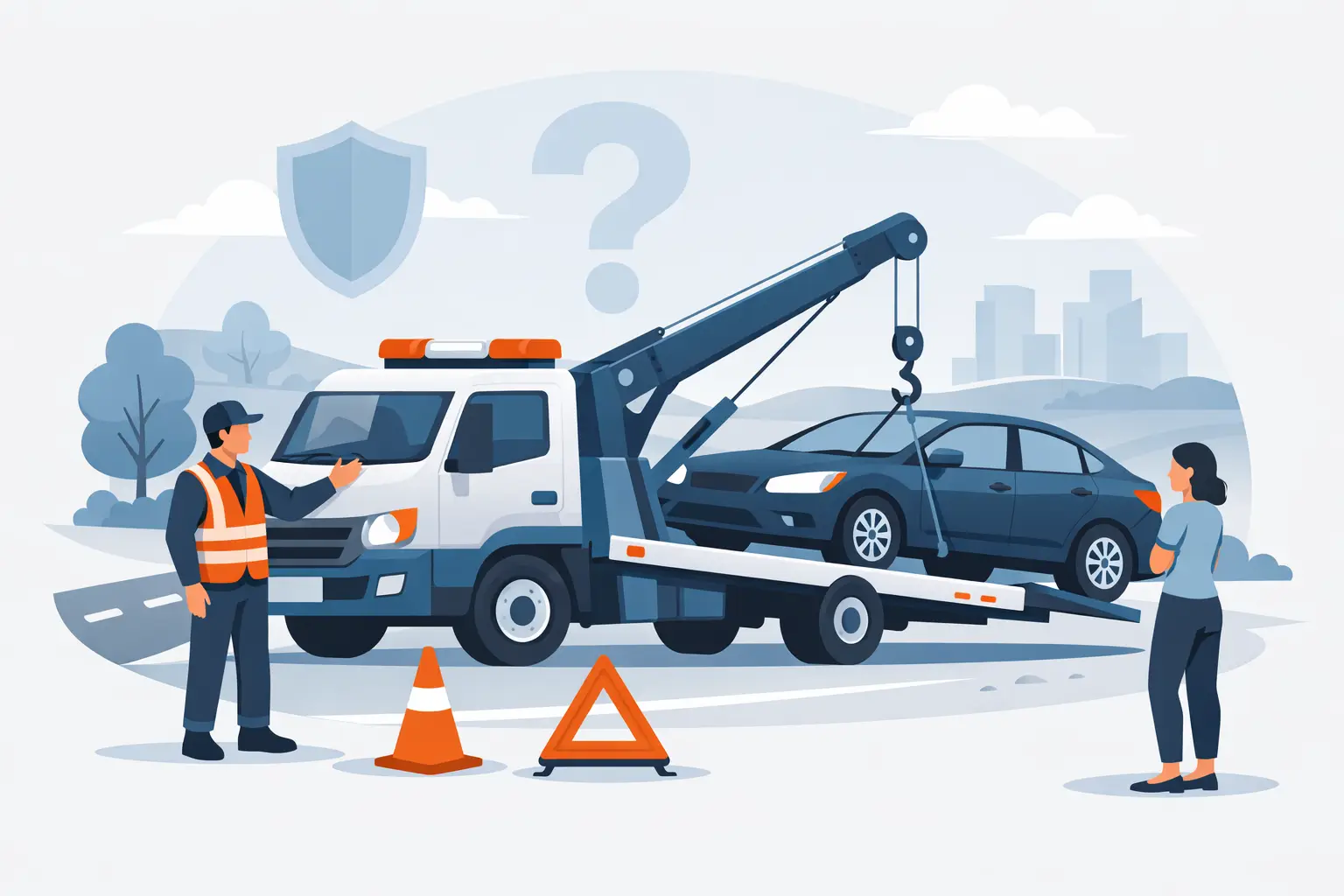
A dead battery at home may only require a jump-start. A vehicle stopped on I-84’s shoulder after a collision is a different situation entirely. So, can roadside assistance tow trucks? Often, yes - but the right answer depends on your vehicle’s condition, where it is parked, the type of assistance you have, and whether the situation is safe to handle at the roadside.
For drivers in Gresham and Troutdale, the priority is not decoding coverage while cars rush past. It is getting yourself to a safer place and getting clear, dependable help. Roadside assistance may dispatch a service vehicle for a quick fix, or it may arrange a tow truck when driving the vehicle would be unsafe or likely to cause more damage.
Can Roadside Assistance Tow Trucks? What It Usually Means
Roadside assistance is a broad term for help when a vehicle cannot be driven normally. Depending on the provider, that service may include jump-starts, flat-tire changes, lockout help, fuel delivery, winching, and towing. A tow is commonly included when the vehicle cannot be made safe to drive where it sits.
That does not mean every roadside call automatically needs a tow truck. If the problem is a drained battery, an empty gas tank, or a flat tire with a usable spare, a technician may be able to get you moving again. This can be the quickest and least disruptive outcome.
A tow becomes the better call when the vehicle will not start after basic roadside checks, has overheated, has serious tire or wheel damage, is leaking fluids, has been in an accident, or has a warning light paired with poor drivability. Continuing to drive in those conditions can turn a manageable repair into a more expensive one. It can also put you, your passengers, and other drivers at risk.
What Your Roadside Plan May Cover
Many insurance policies, auto clubs, credit-card benefits, and vehicle warranties offer some form of roadside coverage. The details matter. Most plans limit the number of service calls, towing distance, or dollar amount available per incident. If your preferred repair shop is farther away than the covered distance, you may be responsible for the remaining mileage or charge.
Before authorizing service through a plan, ask where the vehicle can be taken and whether you can choose the destination. Some programs tow to the nearest qualified repair facility. Others allow a destination of your choice within the mileage limit. If you are close to home, it may make sense to tow there. If the vehicle needs diagnosis right away, a trusted repair shop may be the better destination.
Coverage can also vary by vehicle. A standard passenger car is usually straightforward, while motorcycles, trailers, light trucks, and vehicles with specialized equipment may require the right truck, tie-downs, or towing method. Be specific with dispatch about what you drive, whether it is loaded, and what happened. Accurate information helps the right equipment arrive the first time.
When a Tow Truck Is the Safer Choice
A roadside technician can solve many simple problems, but some situations should not be treated as a quick roadside repair. Call for a tow when you notice smoke, a strong fuel smell, visible fluid leaking beneath the vehicle, steering or brake problems, severe engine noise, or body damage near a wheel.
After a collision, even a vehicle that starts may not be safe to drive. Damage to the bumper, suspension, tires, cooling system, lights, or undercarriage may not be obvious from the driver’s seat. If a wheel is angled strangely, a tire is rubbing, a door will not close properly, or the vehicle pulls hard to one side, leave it parked and request professional towing.
The same is true after striking a curb, deep pothole, road debris, or animal. A car can feel mostly normal while carrying damage that worsens with speed. Towing protects the vehicle from further strain and gives you time to make a calmer decision about repairs.
Do not force a vehicle to move
Trying to “limp it” to a shop is tempting when you are close, especially late at night or during bad weather. But an overheated engine, failing transmission, damaged axle, or compromised tire can fail completely in a short distance. If you are unsure whether the vehicle is safe, treat that uncertainty as a reason to tow.
What to Do While You Wait for Roadside Help
Your safety comes before the vehicle. If you can safely move out of traffic, pull as far off the road as practical, turn on hazard lights, and set the parking brake. On a busy road, do not stand between your vehicle and moving traffic. If conditions make it unsafe to remain in the car, move to a protected location only when you can do so without crossing active lanes.
When you call, share your exact location, nearby cross streets or landmarks, the vehicle’s make, model, color, and the nature of the problem. Let dispatch know if children, older passengers, pets, or anyone with a medical need is waiting with you. Also mention hazards such as a blocked lane, a vehicle in a ditch, heavy traffic, or an accident scene.
If you are on a freeway shoulder, stay alert for traffic and avoid attempting repairs yourself. Changing a tire or looking under the hood may be reasonable in a quiet, safe parking area. It is not a good trade-off beside fast-moving traffic. Professional help is there to reduce risk, not add to it.
Choosing the Right Towing Method
Not all tows are performed the same way. The right method protects the vehicle’s drivetrain, tires, and body. Flatbed towing keeps all four wheels off the ground and is often preferred for all-wheel-drive vehicles, low-clearance cars, motorcycles, collision-damaged vehicles, and vehicles that should not be driven.
Wheel-lift towing can be appropriate for many standard vehicles when performed correctly. The technician will consider whether the vehicle is front-, rear-, or all-wheel drive, whether it can roll freely, and whether the steering and suspension are intact. A trailer may need different handling than a sedan, and a motorcycle needs secure, purpose-built restraint.
This is why the lowest quoted price is not always the best value. A professional tow is about more than moving a vehicle from point A to point B. It is about using proper equipment, securing the load, and avoiding unnecessary damage during a stressful moment.
Roadside Assistance Versus Calling a Local Tow Company
Using a membership or insurance benefit can be helpful if you know the coverage applies and the dispatch time works for your situation. Still, there are times when calling a local towing company directly is the clearer choice. You may need a tow beyond your plan’s mileage limit, service for a vehicle type the program does not handle, accident recovery, or immediate local support when an outside dispatcher cannot give a dependable arrival window.
A local operator also understands the roads, common traffic pinch points, and nearby repair options. That matters when you are stranded on a dark road, stuck in a parking lot after hours, or trying to get a family member home safely. Tow Guys LLC provides around-the-clock roadside assistance and towing for cars, trucks, motorcycles, and trailers, with the practical goal of getting the right help to you without adding confusion to an already difficult day.
A Few Questions Drivers Commonly Ask
Will roadside assistance tow my car if it will not start?
Usually, yes, if a jump-start or basic roadside check does not get the vehicle running safely. The available towing distance and destination rules depend on your plan or the company you call.
Can I get towed after a flat tire?
Yes. If you do not have a usable spare, the wheel is damaged, the vehicle has more than one flat, or changing it would be unsafe where you are stopped, towing is a sensible option.
Can a tow truck move an all-wheel-drive vehicle?
Yes, but it should be moved using the proper method, often a flatbed. Tell dispatch that the vehicle is all-wheel drive so the technician arrives prepared.
What if I am stranded somewhere unsafe?
Call for help, provide your location and the safety concern, keep hazard lights on if possible, and prioritize getting yourself away from traffic. Do not remain outside near active lanes unless there is no safer option.
The best roadside decision is often the one that removes pressure from the moment. If your vehicle is not clearly safe to drive, let a qualified technician assess it and arrange the tow that protects both your car and the people riding in it.
Need a tow in Gresham or East County? Call Tow Guys 24/7 at (971) 222-7994.