
9 Best Ways to Avoid Breakdowns on the Road
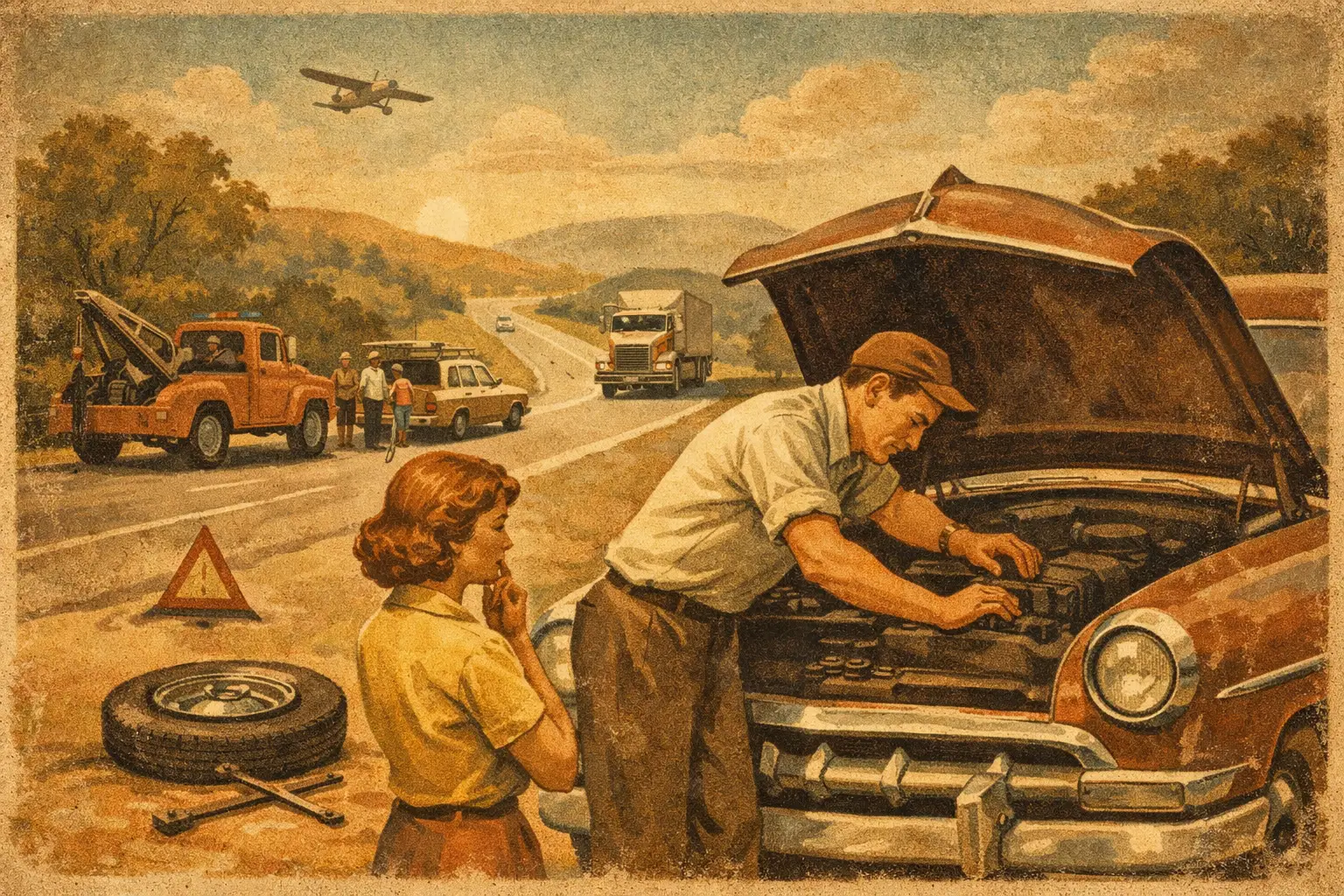
A breakdown rarely starts with a dramatic warning. More often, it begins with a battery that cranks a little slower, a tire losing air week after week, or a dashboard light that gets ignored because the car still drives. The best ways to avoid breakdowns are usually simple, consistent habits that catch those small problems before they leave you stranded on the shoulder.
For drivers in Gresham, Troutdale, and the surrounding area, preparation matters even more when rain, cold mornings, traffic, or a long commute put extra strain on a vehicle. You cannot prevent every roadside problem, but you can greatly reduce the odds of one happening at the worst possible time.
1. Follow the Maintenance Schedule, Not Just the Oil Change Sticker
Oil changes are essential, but they are only one part of keeping a vehicle dependable. Your owner’s manual lists recommended intervals for fluids, filters, belts, spark plugs, brakes, and other components that wear over time. Following that schedule gives a technician the chance to spot a weakening part before it fails completely.
Pay attention to mileage and time. A car that is driven only a few miles at a time may still need service because moisture, old fluids, and battery drain can cause trouble. On the other hand, a vehicle used for frequent highway travel, towing, deliveries, or carrying heavy loads may need more frequent inspections than the standard schedule suggests.
2. Take Battery Warning Signs Seriously
Dead batteries are one of the most common reasons drivers need roadside assistance. Batteries can fail without much notice, especially after several years of use or during colder weather. If your engine cranks slowly, your lights dim at idle, or you need repeated jump-starts, schedule a battery and charging-system test soon.
Check the battery terminals occasionally for corrosion or loose connections. A white or bluish buildup can interfere with the electrical connection. Also make sure the battery is securely mounted. Excess vibration can shorten its life, particularly on rough roads.
A jump-start may get you moving, but it does not always solve the reason the battery went dead. The issue could be an aging battery, a failing alternator, a loose cable, or an electrical drain. Finding the cause early is far better than discovering it in a parking lot after work.
3. Keep Tires Properly Inflated and Inspected
A tire does more than keep your car rolling. It affects braking distance, handling, fuel use, and safety in wet conditions. Check tire pressure at least once a month and before longer trips, using the pressure listed on the driver’s door placard. The number on the tire sidewall is typically the maximum pressure, not the recommended daily setting.
Look for uneven tread wear, cracks, bulges, nails, and repeated pressure loss. Uneven wear may point to an alignment, suspension, or balance problem. Fixing it early can protect your tires and help prevent a blowout.
Do not forget the spare tire if your vehicle has one. A spare that has been sitting untouched for years may be low on air or damaged when you finally need it. Confirm that the jack, lug wrench, and wheel-lock key are present as well.
4. Watch the Dashboard Instead of Covering the Warning Light
Dashboard lights are your vehicle’s early warning system. Some alerts require immediate action, while others mean you should schedule service soon. A flashing check-engine light, oil-pressure warning, overheating gauge, or brake warning should never be treated as a “wait and see” issue.
If the temperature gauge climbs into the hot range, pull over safely and turn the engine off as soon as you can. Do not open a hot radiator cap. Escaping steam and pressurized coolant can cause serious burns. Once the vehicle has cooled, arrange for a proper inspection rather than continuing to drive and risking engine damage.
A steady check-engine light is not always an emergency, but it should still be diagnosed. It may be something minor, such as a loose gas cap, or something that affects performance and fuel economy. The only way to know is to have it checked.
5. Check Fluids Before They Become a Bigger Problem
Engine oil, coolant, brake fluid, transmission fluid, and windshield washer fluid all support safe operation. Low levels can signal a leak, normal consumption, or a service need. Make a quick visual fluid check part of your routine, especially before a road trip or after you notice a smell, puddle, or change in how the vehicle drives.
Oil that is consistently low can damage an engine. Low coolant can lead to overheating. Soft brake feel or a brake-fluid leak needs prompt professional attention. Washer fluid may seem less urgent, but clear visibility is a safety issue during Oregon rain and road spray.
Use the fluid type specified for your vehicle. Mixing the wrong coolant or adding unapproved fluid can create problems instead of solving them.
6. Listen for Changes in How Your Vehicle Sounds and Feels
You know your vehicle better than anyone. A new squeal when braking, grinding noise during turns, vibration at highway speed, or clunk over bumps deserves attention. These signs do not automatically mean a major repair, but they do mean something has changed.
Do not wait for a noise to become constant. Small repairs are often easier and less expensive than dealing with a complete component failure. This is especially true with brakes, wheel bearings, belts, suspension parts, and cooling-system components.
If your vehicle pulls sharply, loses power, smells like burning rubber, or produces smoke, get to a safe location and stop driving. Pushing through a serious symptom can turn a manageable repair into a dangerous roadside situation.
7. Prepare for the Trips That Put Extra Strain on Your Vehicle
Long drives, mountain routes, hot weather, stop-and-go traffic, and towing can all expose weak points. Before a longer trip, check tire pressure, fluid levels, wiper blades, lights, and the condition of your battery. Make sure you have enough fuel for the route and avoid running close to empty, which can leave you stuck or pull debris from the bottom of an older fuel tank.
If you tow a trailer, confirm the hitch, chains, lights, tires, and load are secure. Trailer tires can look fine while still being too old or underinflated for safe highway use. Light trucks and SUVs carrying heavy loads may also need adjusted tire pressure and closer brake checks.
8. Keep an Emergency Kit in the Vehicle
An emergency kit will not prevent a mechanical failure, but it can make a breakdown safer and less stressful. Keep a phone charger, flashlight, reflective triangles or flares, drinking water, basic first-aid supplies, gloves, and warm layers in the vehicle. Add jumper cables only if you know how to use them safely.
For winter or rainy conditions, a blanket, small towel, and traction aid can be useful. If you travel with children, include anything they may need if you are waiting for help longer than expected. The goal is not to turn your trunk into a repair shop. It is to stay visible, warm, and prepared while help is on the way.
9. Know When to Stop and Call for Help
One of the best ways to avoid breakdowns becoming emergencies is knowing when not to keep driving. Stop in a safe place if you have a flat tire, overheating engine, smoke, major fluid leak, severe vibration, brake trouble, or a vehicle that will not restart reliably.
Move as far from traffic as safely possible, turn on your hazard lights, and stay aware of passing vehicles. On a busy road, it is often safer to remain in the vehicle with the doors locked than to stand near traffic. If you must exit, do so only when it is safe and move well away from the roadway.
Tow Guys LLC understands that roadside trouble does not wait for a convenient time. A fast call for professional roadside help or towing can protect you, your passengers, and your vehicle from a bad situation getting worse.
The most dependable vehicle is not one that never needs attention. It is one whose driver notices changes early, keeps up with basic care, and chooses safety over trying to force one more mile.
Need a tow in Gresham or East County? Call Tow Guys 24/7 at (971) 222-7994.