
Best Roadside Help for Commuters Near Home
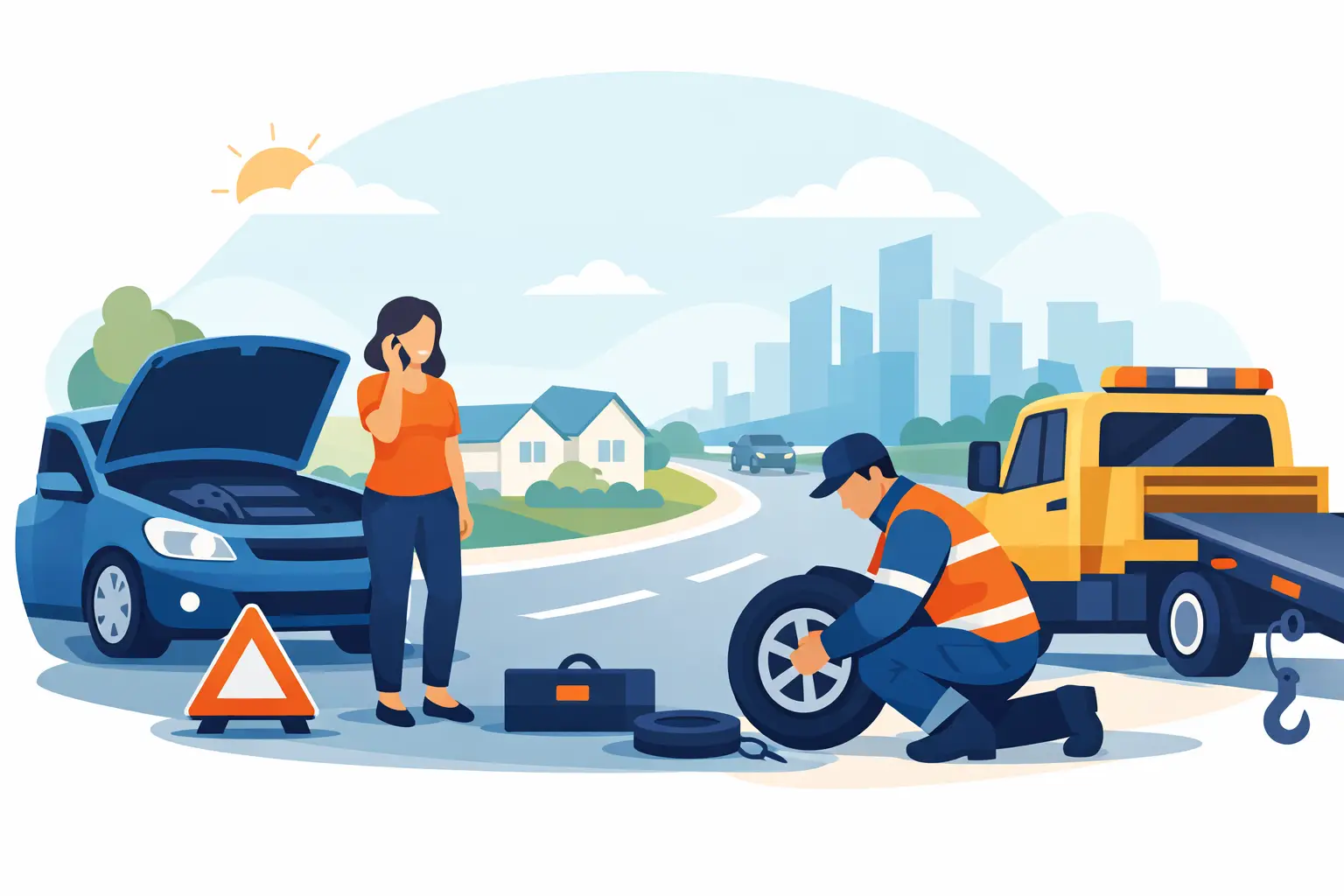
A car that will not start at 6:40 a.m. can change the whole day. You may be headed to work, dropping off a child, meeting a client, or simply trying to get home before traffic builds. The best roadside help for commuters is not just a service that can tow a vehicle. It is help that answers promptly, gives you clear information, and gets you safely out of a stressful situation without adding confusion.
For drivers in Gresham and Troutdale, a reliable local provider can make a major difference when a breakdown happens close to home, on the way to work, or along a busy route. Here is what commuters should look for before the next unexpected roadside problem.
What Makes the Best Roadside Help for Commuters?
Commuters need more than a vague promise of assistance. They need a company prepared for the problems that interrupt real schedules: a dead battery in a parking lot, a flat tire before an early shift, an empty fuel tank after a long day, or a vehicle that stops running on the shoulder.
Fast response matters, but so does honest communication. Traffic, distance, weather, and the exact location of your vehicle can affect arrival time. A trustworthy roadside company will not make unrealistic promises. Instead, it will take your location seriously, explain what to expect, and send a properly equipped technician or tow truck as quickly as possible.
The right help should also match the situation. A simple jump-start may get you moving again, while a vehicle with warning lights, overheating, collision damage, or repeated starting trouble may need a tow rather than a temporary fix. Good roadside service means putting safety and the condition of your vehicle ahead of rushing you back onto the road.
Look for Help That Handles the Problem You Actually Have
A commuter breakdown is rarely convenient, but it is not always complicated. Choosing a roadside provider that offers several core services saves time when the issue is unclear or changes after someone arrives.
Dead batteries and no-start situations
A vehicle that will not start can have many causes. It may be a drained battery, loose battery connection, failing starter, electrical issue, or another mechanical concern. An experienced roadside technician can assess the immediate situation and attempt a safe jump-start when appropriate.
If the car starts, do not assume the problem is solved forever. A battery that dies repeatedly may need replacement, and a charging-system problem can leave you stranded again later that day. If the vehicle will not start or does not seem dependable, a tow to a repair location is often the smarter choice.
Flat tires and tire-related trouble
A flat tire can be manageable if you have a usable spare, the right equipment, and a safe place to stop. On a narrow shoulder, in heavy rain, or near fast-moving traffic, changing it yourself can be risky. Roadside assistance can help with a tire change or arrange towing if the spare is damaged, missing, or not safe to use.
For commuters, the key question is not just whether the tire can be changed. It is whether your vehicle can safely continue the trip after the change. Low-profile tires, damaged wheels, and more than one flat can turn a quick stop into a tow situation.
Fuel delivery when the gauge was wrong
Running out of fuel is more common than many drivers want to admit. A faulty gauge, unexpected detour, road closure, or a long commute can leave you short of gas. Fuel delivery gets you enough fuel to reach a station without walking along traffic or relying on a stranger for help.
If you run out repeatedly, have the vehicle checked. A fuel gauge or fuel-system issue deserves attention, especially if you drive long distances each week.
Towing when roadside repair is not enough
Towing is the right answer when the vehicle cannot be safely driven. This includes accident damage, overheating, severe mechanical trouble, steering problems, transmission concerns, or a no-start condition that cannot be resolved roadside.
A capable towing provider should be ready to handle more than passenger cars. Commuters may drive pickup trucks, motorcycles, work trailers, or family vehicles with specific transport needs. The equipment and loading approach should fit the vehicle, not force a one-size-fits-all solution.
Speed Is Important, but Safety Comes First
When a vehicle fails, it is tempting to focus only on how quickly you can get moving. That is understandable. Still, the first job is making the scene safer while help is on the way.
If possible, pull as far from traffic as you safely can. Turn on hazard lights, keep doors locked if you are in an unsafe area, and avoid standing between your vehicle and passing traffic. If you are on a freeway shoulder or cannot safely exit the vehicle, use your judgment based on the immediate danger around you.
When calling for assistance, give a clear location. Street names, cross streets, nearby businesses, mile markers, vehicle color, make, model, and the direction you are traveling all help reduce delays. Let dispatch know if you are blocking traffic, have children or pets with you, or are in a place where you do not feel safe.
For a safer wait, remember these practical steps:
- Turn on your hazard lights and keep them on.
- Stay visible, but do not stand near moving traffic.
- Keep your phone charged when possible and conserve battery while waiting.
- Tell the dispatcher about any special vehicle, passenger, or location concerns.
Local Service Can Matter More Than a Membership Card
Roadside memberships and insurance benefits can be useful, particularly for drivers who travel often. They may cover some assistance costs or provide access to a dispatch network. The trade-off is that the company answering the phone may be far away, and the actual service provider can vary by availability.
When you need immediate assistance near Gresham, a local towing company may offer a more direct path to help. Local operators know the area, common traffic bottlenecks, and the places where a vehicle can be difficult or unsafe to access. They are also accountable to the community they serve, not just to a national call center.
That does not mean every situation requires the same choice. If your roadside plan provides coverage you want to use, start there. But if you need clear answers, quick local dispatch, or a specific towing capability, calling a trusted local provider directly can be the better move.
Questions Worth Asking Before You Need Help
The worst time to research a roadside company is while you are stranded, worried, and watching traffic pass a few feet away. Keep the name of a reputable provider in your phone now, along with your insurance details and a photo of your vehicle information.
When you call, ask whether the company can handle your vehicle type and the problem you are experiencing. Confirm that they understand your location, whether towing may be necessary, and where the vehicle should go if it cannot be repaired roadside. Clear questions prevent misunderstandings and help the technician arrive prepared.
It also helps to choose a company that treats you like a person, not a ticket number. A family-owned local business such as Tow Guys LLC understands that a roadside emergency can affect work, family plans, safety, and peace of mind all at once. Professional help should reduce the pressure, not create more of it.
Prepare Your Commute for the Unexpected
No one can prevent every breakdown, but small habits lower the chance that a minor issue becomes a major disruption. Check tire condition and pressure regularly, watch for slow starts, keep enough fuel in the tank for your route, and do not ignore dashboard warnings. If your vehicle has been acting differently, schedule service before relying on it for another full week of commuting.
Keep a basic emergency kit in the vehicle with a phone charger, flashlight, water, warm layer, and any medication you may need. These items will not repair a car, but they can make an unexpected wait much less difficult.
The next time your vehicle leaves you on the roadside, focus first on getting to a safe position and making one clear call for help. The right local team can handle the vehicle problem while you focus on getting yourself, your passengers, and your day back on track.
Need a tow in Gresham or East County? Call Tow Guys 24/7 at (971) 222-7994.